
Domestic Shorthair Cost & Ownership Dossier
Domestic shorthair cat cost is the benchmark for affordable cat ownership, since this genetically diverse, easy-care cat carries almost no breed-specific health risk. First-year spending typically totals about $2,132, easing to roughly $822 a year, or near $69 a month. Over a long lifespan, total ownership approaches $13,640.
Executive cost summary
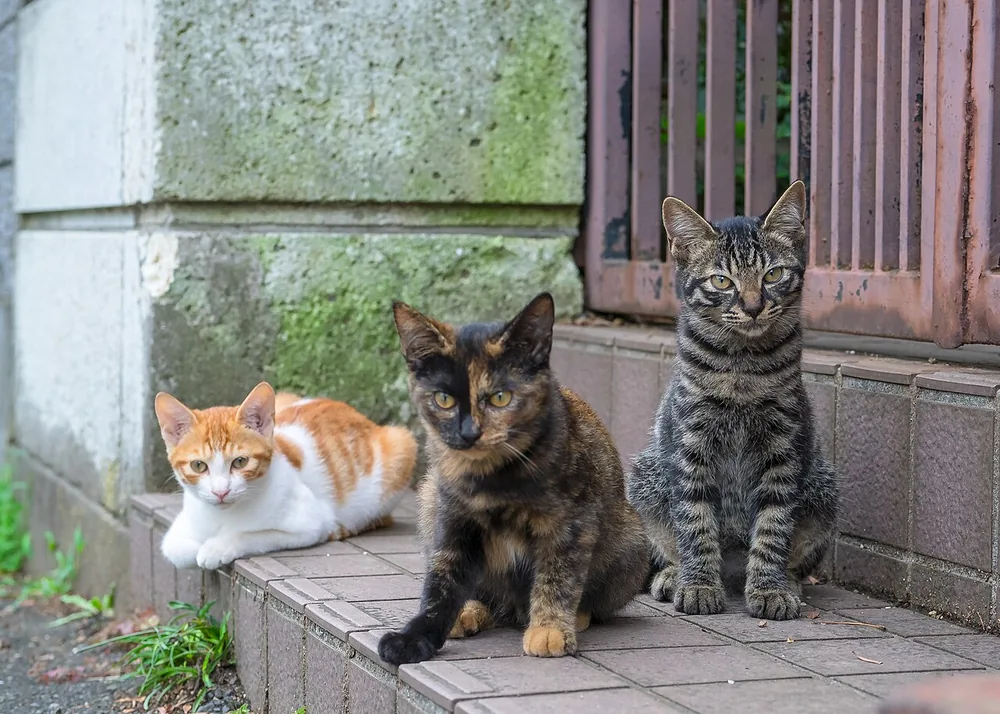
Domestic Shorthair
Domestic shorthair cat cost is the benchmark for affordable cat ownership, since this genetically diverse, easy-care cat carries almost no breed-specific health risk. First-year spending typically totals about $2,132, easing to roughly $822 a year, or near $69 a month. Over a long lifespan, total ownership approaches $13,640.
Acquisition, surgical desexing, initial vet series, and starter hardware.
Normalized baseline at ~$69/month routine cash burn.
Projected over a 15-year Domestic Shorthair lifespan.
$2,000 Liquid Reserve Mandate
Critical bufferWide genetic diversity from unplanned, multi-line breeding gives this cat the lowest hereditary disease burden of any cat breed, leaving only common, largely preventable conditions.
Source: MetLife True Cost of Pet Emergencies 2025 (15% of owners hit $3,000+; uninsured surgery $3,000–8,000)
Biometric & phenotypic actuarial spec
Annual Cash Burn Matrix ($822/yr)
Continuous operational expenditure distributed across 5 core maintenance categories, indexed to metabolic demand and regional clinical rates.
Food
Vet Care
Grooming
Pet Insurance
Supplies & Toys
Upfront Entry CapEx
Purchase / Adoption Fee ($800), Initial Vet Visit & Vaccinations ($300), Starter Supplies ($260), Litter & Behavior Basics ($40), First Year Food ($214), First Year Vet Care ($221), First Year Grooming ($24), First Year Insurance ($273).
Comprehensive Lifecycle Ledger
Audited financial breakdown distinguishing immediate first-year fixed capitalization from ongoing annualized operating liabilities over the full 13–17 yrs feline lifespan.
| Expenditure Category | Year 01 Outlay | Annual Steady-State | Lifetime Total | Actuarial Sizing Methodology |
|---|---|---|---|---|
| Purchase / Adoption Fee | $800 | — | $800 | Varies by breeder vs rescue |
| Initial Vet Visit & Vaccinations | $300 | — | $300 | Spay/neuter, microchip, health check |
| Starter Supplies | $260 | — | $260 | Litter box, scratching post, carrier, bowls |
| Litter & Behavior Basics | $40 | — | $40 | Litter box training, scratching post basics |
| First Year Food | $214 | — | $214 | — |
| First Year Vet Care | $221 | — | $221 | — |
| First Year Grooming | $24 | — | $24 | — |
| First Year Insurance | $273 | — | $273 | — |
| Food | — | $214 | $3,210 | — |
| Vet Care | — | $221 | $3,315 | — |
| Grooming | — | $24 | $360 | — |
| Pet Insurance | — | $273 | $4,095 | — |
| Supplies & Toys | — | $90 | $1,350 | — |
| Gross Actuarial Expenditure | $2,132 | $822 / yr | $13,640 | Unadjusted baseline |
Actuarial Health Risk Profile (Tier 1)
Wide genetic diversity from unplanned, multi-line breeding gives this cat the lowest hereditary disease burden of any cat breed, leaving only common, largely preventable conditions.
Periodontal Disease
Tartar and gum inflammation build up over years in any cat, and this is the single most common reason a domestic shorthair ever needs a dental procedure.
Obesity and diabetes mellitus
Free-fed indoor cats gain weight readily, and the resulting excess weight is the top risk factor for developing feline diabetes.
Upper respiratory infection
Cats sourced from shelters or multi-cat environments are more likely to carry a viral respiratory infection at adoption, which can flare again under stress.
What Truly Drives the Domestic Shorthair’s Financial Profile
About the domestic shorthair and its cost
Domestic shorthair cat cost sits at the low end of feline ownership because this is not a pedigreed breed at all, but the general-purpose cat found in nearly every shelter. Adoption fees are low and typically bundle vaccines and spay or neuter into $800, with $300 covering anything not already included. A short, low-maintenance coat means $260 goes toward a litter box, scratching post, and toys rather than grooming gear. First-year spending totals near $2,132, among the most affordable of any cat covered here.
What drives domestic shorthair costs
This cat's biggest cost advantage is what it lacks: no narrow founder gene pool means no concentrated breed-specific disease cluster to budget around. What remains are the ordinary risks every cat faces regardless of heritage, chiefly dental disease from tartar buildup and obesity from an easy indoor life, both largely preventable with routine care. Cats adopted from shelters sometimes arrive with a lingering respiratory virus that can flare under stress. None of this pushes $221 or $273 above the feline average, which is exactly why this cat is often recommended as the most budget-friendly choice.
Domestic shorthair first-year budget
One-time costs are minimal: $800 typically covers a shelter adoption fee including vaccines and altering, $300 fills any remaining first-visit needs, and $260 covers a litter box, scratching post, and a few toys; $40 rarely applies. These total $1,400. Recurring first-year costs add $214, $221 for a wellness visit, $24 for an occasional brush, and $273, totaling $732. Combined, plan for $2,132, the most affordable first-year figure of any cat in this guide.
Domestic shorthair yearly cost after year one
Ongoing spending settles near $822 a year, about $69 a month. Food at $214 reflects an average-appetite medium-size cat. Insurance at $273 stays low given minimal genetic risk. Routine veterinary care at $221 should focus on dental checks and weight monitoring, the two most likely sources of future cost. Grooming at $24 covers an occasional brush, and $90 covers litter, scratching posts, and toys.
Emergency fund for a domestic shorthair
Even the lowest-risk cat benefits from $2,000 set aside, since an unexpected injury, urinary blockage, or advanced dental disease can still arise regardless of heritage. This cat's emergencies tend to be less predictable in type precisely because there is no single defining breed risk to plan around. A modest, funded reserve, or a basic insurance policy, keeps any one of these surprises from denting the $13,640 lifetime estimate.
Cutting domestic shorthair costs
Adoption is already the biggest saving this cat offers, since shelter fees run well below any pedigreed price and typically include the first round of veterinary care. Staying current on dental cleanings prevents the single most common expensive procedure this cat is likely to need. Keeping weight controlled protects against diabetes and keeps the food budget from creeping upward. A basic insurance plan smooths any rare surprise into $69 rather than a lump sum, keeping the $13,640 lifetime total near the floor for cat ownership.
5 Prudent Ways to Cut Domestic Shorthair Costs
Adopt from a shelter
A domestic shorthair adoption fee is a fraction of any pedigreed kitten's price and usually already covers vaccines and altering. This one decision keeps $800 as low as it can be for a cat.
Stay current on dental cleanings
Because periodontal disease is the most likely lifetime vet expense for this cat, a yearly dental check and cleaning when recommended prevents costly extractions down the road. Brushing teeth a few times a week at home extends the time between cleanings.
Keep weight in check
Measure food rather than free-feeding, since obesity is the leading path to feline diabetes in an easy-living indoor cat. A lean cat also handles routine anesthesia and any future procedure with less risk and lower cost.
Ask shelters about health history
Request any known vaccine or illness history at adoption so you know whether a respiratory virus is a risk to monitor. Cats with a documented clean bill of health rarely need extra early veterinary attention.
Skip professional grooming entirely
The short coat needs nothing beyond an occasional brush to reduce shedding, so there is no reason to book grooming appointments meant for longhaired breeds. Redirect that money toward the insurance or emergency fund line instead.
Peer Class Financial Comparisons
How the Domestic Shorthair compares to morphological peers on annualized ownership cost.
Domestic Shorthair
Frequently Asked Financial Questions
How much does it cost to adopt a domestic shorthair cat?
How much does it cost to own a domestic shorthair cat per month?
Are domestic shorthair cats cheap to care for?
What is the average lifetime cost of a domestic shorthair cat?
Do domestic shorthair cats need pet insurance?
What is the cheapest cat breed to own?
Are domestic shorthair cats prone to any health problems?
Data sources
- Periodontal Disease in Cats — VCA Animal Hospitals (vcahospitals.com)
- Feline Respiratory Disease Complex — Merck Veterinary Manual (merckvetmanual.com)
- Domestic short-haired cat — Wikipedia (en.wikipedia.org)
Calculate Your Domestic Shorthair Cost Adjusted by Metro ZIP Code
Veterinary surgical tariffs and clinical room rates vary widely between metropolitan regions and rural counties. Recalculate this dossier with your exact state, city, and lifestyle parameters.