
Domestic Longhair Cost & Ownership Dossier
Domestic longhair cat cost is largely a story of grooming and everyday care rather than breed-specific disease, since this is a mixed-heritage cat rather than a pedigreed breed. First-year spending typically runs near $2,338, dropping to about $1,028 a year, or roughly $86 a month, once the cat is settled. Over a long lifespan, total ownership approaches $16,730.
Executive cost summary
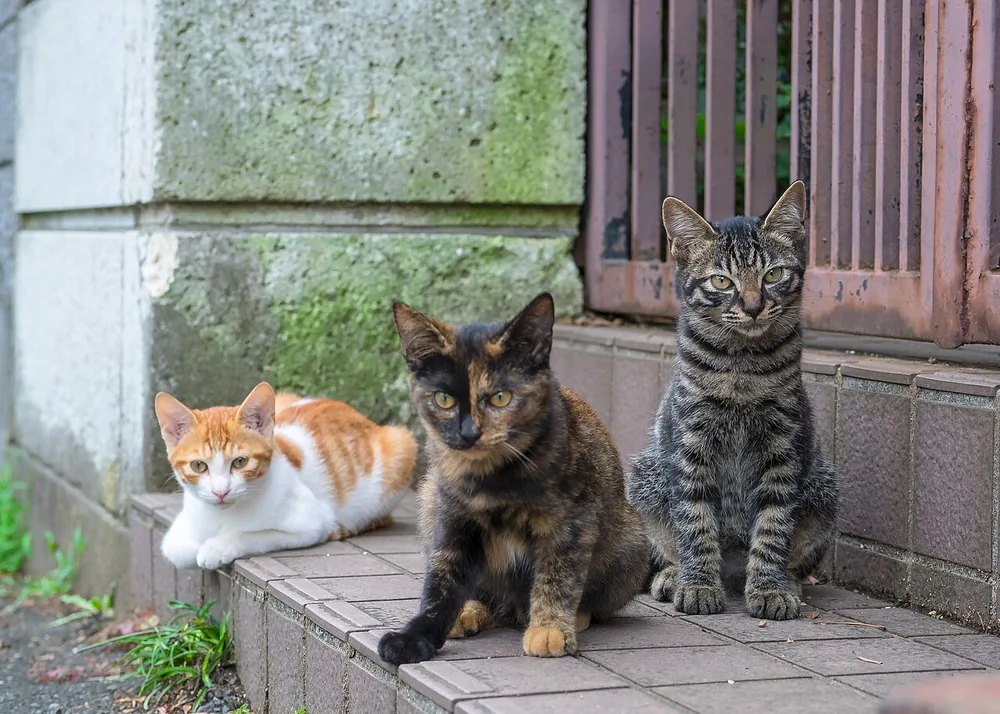
Domestic Longhair
Domestic longhair cat cost is largely a story of grooming and everyday care rather than breed-specific disease, since this is a mixed-heritage cat rather than a pedigreed breed. First-year spending typically runs near $2,338, dropping to about $1,028 a year, or roughly $86 a month, once the cat is settled. Over a long lifespan, total ownership approaches $16,730.
Acquisition, surgical desexing, initial vet series, and starter hardware.
Normalized baseline at ~$86/month routine cash burn.
Projected over a 15-year Domestic Longhair lifespan.
$2,000 Liquid Reserve Mandate
Critical bufferAs a random-bred cat without a narrow founder gene pool, the domestic longhair mostly avoids hereditary disease, though its coat and indoor lifestyle create manageable dental, weight, and matting risks.
Source: MetLife True Cost of Pet Emergencies 2025 (15% of owners hit $3,000+; uninsured surgery $3,000–8,000)
Biometric & phenotypic actuarial spec
Annual Cash Burn Matrix ($1,028/yr)
Continuous operational expenditure distributed across 5 core maintenance categories, indexed to metabolic demand and regional clinical rates.
Food
Vet Care
Grooming
Pet Insurance
Supplies & Toys
Upfront Entry CapEx
Purchase / Adoption Fee ($800), Initial Vet Visit & Vaccinations ($300), Starter Supplies ($260), Litter & Behavior Basics ($40), First Year Food ($221), First Year Vet Care ($247), First Year Grooming ($156), First Year Insurance ($314).
Comprehensive Lifecycle Ledger
Audited financial breakdown distinguishing immediate first-year fixed capitalization from ongoing annualized operating liabilities over the full 13–18 yrs feline lifespan.
| Expenditure Category | Year 01 Outlay | Annual Steady-State | Lifetime Total | Actuarial Sizing Methodology |
|---|---|---|---|---|
| Purchase / Adoption Fee | $800 | — | $800 | Varies by breeder vs rescue |
| Initial Vet Visit & Vaccinations | $300 | — | $300 | Spay/neuter, microchip, health check |
| Starter Supplies | $260 | — | $260 | Litter box, scratching post, carrier, bowls |
| Litter & Behavior Basics | $40 | — | $40 | Litter box training, scratching post basics |
| First Year Food | $221 | — | $221 | — |
| First Year Vet Care | $247 | — | $247 | — |
| First Year Grooming | $156 | — | $156 | — |
| First Year Insurance | $314 | — | $314 | — |
| Food | — | $221 | $3,315 | — |
| Vet Care | — | $247 | $3,705 | — |
| Grooming | — | $156 | $2,340 | — |
| Pet Insurance | — | $314 | $4,710 | — |
| Supplies & Toys | — | $90 | $1,350 | — |
| Gross Actuarial Expenditure | $2,338 | $1,028 / yr | $16,730 | Unadjusted baseline |
Actuarial Health Risk Profile (Tier 2)
As a random-bred cat without a narrow founder gene pool, the domestic longhair mostly avoids hereditary disease, though its coat and indoor lifestyle create manageable dental, weight, and matting risks.
Periodontal Disease
Tartar buildup and gum inflammation are the most common health cost in any cat lacking a specific genetic predisposition, and untreated cases need dental surgery.
Obesity and diabetes mellitus
Indoor longhaired cats gain weight easily, and sustained excess weight is the leading driver of feline type 2 diabetes, which needs lifelong monitoring or insulin.
Matting-related dermatitis
Neglected mats pull on skin and trap moisture, occasionally leading to secondary skin infections that need clipping under sedation to resolve.
What Truly Drives the Domestic Longhair’s Financial Profile
About the domestic longhair and its cost
Domestic longhair cat cost starts low because this is not a pedigreed breed but a random-bred cat with a plush, flowing coat, most often found through shelters and rescues rather than breeders. Adoption fees are modest and usually include an initial exam, vaccines, and spay or neuter, which keeps $800 and $300 both on the affordable end. New owners should still budget $260 for a good slicker brush, litter setup, and scratching posts, since the coat needs consistent attention from week one. First-year spending totals near $2,338, with grooming tools as the main line item beyond standard care.
What drives domestic longhair costs
Because this is a genetically diverse, non-pedigreed cat, it largely avoids the hereditary disease clusters that raise costs in specialty breeds. What does drive spending is the coat itself: without regular brushing, a longhaired cat mats, and removing bad mats under sedation costs far more than routine grooming ever would. The second driver is lifestyle-related, since indoor cats of any heritage are prone to weight gain, and sustained obesity is the leading path to feline diabetes. Dental disease affects nearly every cat over time regardless of pedigree. Keeping $156 consistent and $247 focused on dental and weight checks keeps this cat's costs below most purebred cats.
Domestic longhair first-year budget
One-time costs are modest: $800 typically covers an adoption fee that already includes vaccines and altering, $300 fills any gaps in that initial care, and $260 covers a slicker brush, litter box, and scratching post; $40 rarely applies to a cat. These sum to $1,400. Recurring first-year costs add $221, $247 for a wellness visit, $156 for coat-care tools, and $314, totaling $938. Combined, plan for $2,338, among the lower first-year totals of any cat in this guide.
Domestic longhair yearly cost after year one
Ongoing spending settles near $1,028 a year, about $86 a month. Food at $221 reflects a medium-size cat with average appetite. Insurance at $314 stays reasonable given the low genetic risk. Routine veterinary care at $247 should prioritize dental checks and weight monitoring, the two most common cost drivers for this cat. Grooming at $156 covers brushes and occasional mat spray, and $90 covers litter, scratching posts, and enrichment toys.
Emergency fund for a domestic longhair
A smaller $2,000 than a high-risk breed still matters, since even a genetically healthy cat can face an unexpected injury, urinary blockage, or advanced dental disease needing extractions. Because this cat carries no single defining hereditary risk, emergencies are less predictable in kind but not impossible. Keeping a reserve funded, or an insurance policy in force, protects the $16,730 lifetime estimate from a single unplanned vet bill without requiring the larger buffer a high-tier breed would need.
Cutting domestic longhair costs
Adopting rather than buying is the single biggest saving available for this cat, since shelter fees run far below any pedigreed kitten price and often already include vaccines and altering. Regular at-home brushing avoids the costliest grooming scenario, a sedated mat removal, while keeping food portions measured protects against the obesity that drives up lifetime $247 spending. Insuring while young converts any future surprise into a predictable piece of $86, and consistent dental care at wellness visits keeps the $16,730 lifetime total near the low end for a cat.
5 Prudent Ways to Cut Domestic Longhair Costs
Brush two to three times a week
A consistent brushing schedule with a quality slicker brush prevents the mats that otherwise require an expensive sedated shave-down. Ten minutes a few times a week is far cheaper than a single mat-removal visit.
Adopt rather than buy
A domestic longhair is almost always available through a shelter or rescue at a fraction of a pedigreed breed's price, often already vaccinated and altered. This single choice does more to lower $800 than any other decision.
Feed measured portions
Weigh out meals rather than free-feeding to prevent the slow weight gain that leads to diabetes in indoor cats. A lean cat also needs less medication and fewer specialist visits over its lifetime.
Keep up with annual dental checks
Catching tartar buildup at a wellness visit and addressing it with a cleaning is far cheaper than treating advanced periodontal disease with extractions later. Make dental health part of every annual exam rather than an afterthought.
Trim the belly and rear coat
A quick trim of the areas most prone to matting, especially the belly and behind the legs, reduces how often you need a full grooming session. This is easy to learn at home with round-tipped scissors.
Peer Class Financial Comparisons
How the Domestic Longhair compares to morphological peers on annualized ownership cost.
Domestic Longhair
Frequently Asked Financial Questions
How much does it cost to adopt a domestic longhair cat?
How much does it cost to own a domestic longhair cat per month?
Are domestic longhair cats expensive to groom?
What is the average lifetime cost of a domestic longhair cat?
Do domestic longhair cats need pet insurance?
Are domestic longhair cats healthier than purebred cats?
What is the difference between a domestic longhair and a domestic shorthair?
Data sources
- Periodontal Disease in Cats — VCA Animal Hospitals (vcahospitals.com)
- Obesity in Cats — Merck Veterinary Manual (merckvetmanual.com)
- Domestic long-haired cat — Wikipedia (en.wikipedia.org)
Calculate Your Domestic Longhair Cost Adjusted by Metro ZIP Code
Veterinary surgical tariffs and clinical room rates vary widely between metropolitan regions and rural counties. Recalculate this dossier with your exact state, city, and lifestyle parameters.