
British Longhair Cost & Ownership Dossier
British Longhair cost is driven as much by a plush, semi-long coat that needs regular brushing as by a documented cardiac predisposition that calls for periodic screening. Between the breeder fee, vaccines, and setup gear, most new owners spend near $2,735 in year one. After that, food, grooming supplies, and insurance settle into roughly $1,181 a year, about $98 a month.
Executive cost summary
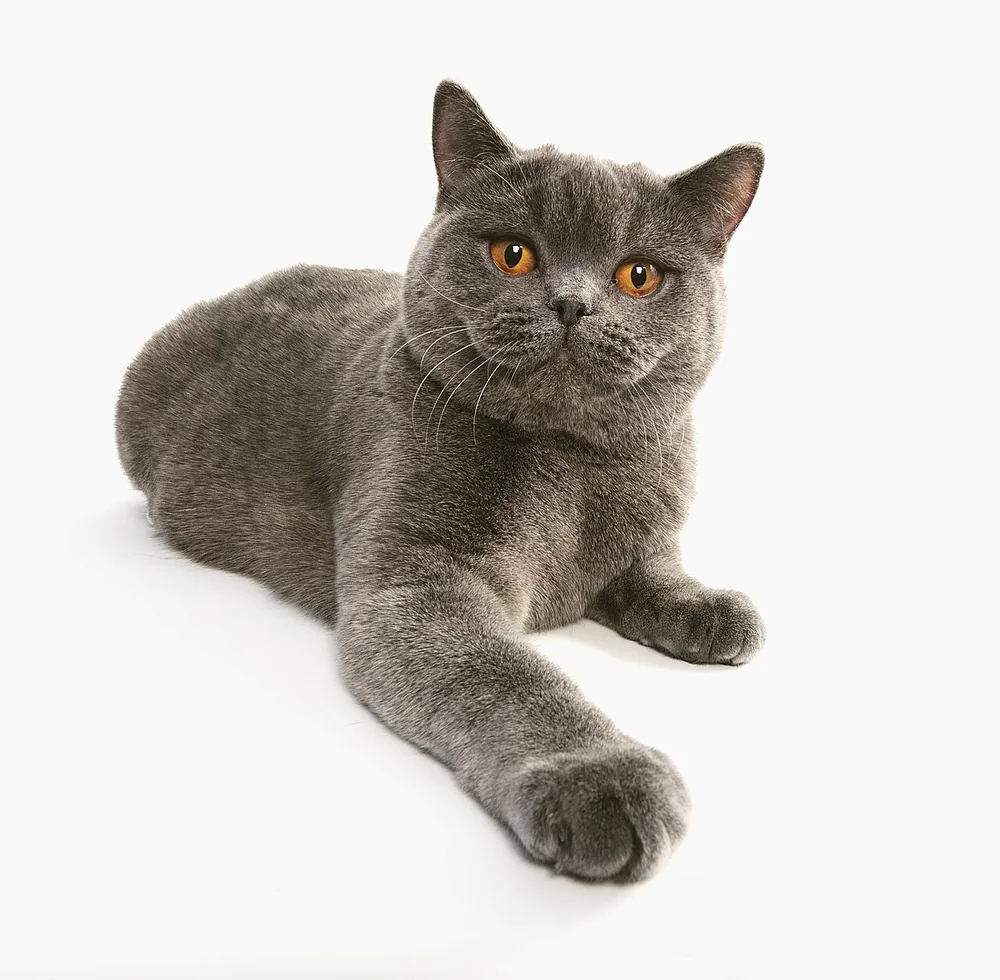
British Longhair
British Longhair cost is driven as much by a plush, semi-long coat that needs regular brushing as by a documented cardiac predisposition that calls for periodic screening. Between the breeder fee, vaccines, and setup gear, most new owners spend near $2,735 in year one. After that, food, grooming supplies, and insurance settle into roughly $1,181 a year, about $98 a month.
Acquisition, surgical desexing, initial vet series, and starter hardware.
Normalized baseline at ~$98/month routine cash burn.
Projected over a 15-year British Longhair lifespan.
$2,500 Liquid Reserve Mandate
Critical bufferA well-documented hypertrophic cardiomyopathy predisposition, layered with an obesity tendency and a kidney-cyst risk in some lines, pushes recurring cardiac and metabolic cost above breed-average.
Source: MetLife True Cost of Pet Emergencies 2025 (15% of owners hit $3,000+; uninsured surgery $3,000–8,000)
Biometric & phenotypic actuarial spec
Annual Cash Burn Matrix ($1,181/yr)
Continuous operational expenditure distributed across 5 core maintenance categories, indexed to metabolic demand and regional clinical rates.
Food
Vet Care
Grooming
Pet Insurance
Supplies & Toys
Upfront Entry CapEx
Purchase / Adoption Fee ($1,000), Initial Vet Visit & Vaccinations ($318), Starter Supplies ($299), Litter & Behavior Basics ($40), First Year Food ($244), First Year Vet Care ($303), First Year Grooming ($96), First Year Insurance ($435).
Comprehensive Lifecycle Ledger
Audited financial breakdown distinguishing immediate first-year fixed capitalization from ongoing annualized operating liabilities over the full 12–17 yrs feline lifespan.
| Expenditure Category | Year 01 Outlay | Annual Steady-State | Lifetime Total | Actuarial Sizing Methodology |
|---|---|---|---|---|
| Purchase / Adoption Fee | $1,000 | — | $1,000 | Varies by breeder vs rescue |
| Initial Vet Visit & Vaccinations | $318 | — | $318 | Spay/neuter, microchip, health check |
| Starter Supplies | $299 | — | $299 | Litter box, scratching post, carrier, bowls |
| Litter & Behavior Basics | $40 | — | $40 | Litter box training, scratching post basics |
| First Year Food | $244 | — | $244 | — |
| First Year Vet Care | $303 | — | $303 | — |
| First Year Grooming | $96 | — | $96 | — |
| First Year Insurance | $435 | — | $435 | — |
| Food | — | $244 | $3,660 | — |
| Vet Care | — | $303 | $4,545 | — |
| Grooming | — | $96 | $1,440 | — |
| Pet Insurance | — | $435 | $6,525 | — |
| Supplies & Toys | — | $103 | $1,545 | — |
| Gross Actuarial Expenditure | $2,735 | $1,181 / yr | $19,269 | Unadjusted baseline |
Actuarial Health Risk Profile (Tier 4)
A well-documented hypertrophic cardiomyopathy predisposition, layered with an obesity tendency and a kidney-cyst risk in some lines, pushes recurring cardiac and metabolic cost above breed-average.
Hypertrophic Cardiomyopathy
A thickened heart muscle documented across British breed lines, often needing periodic echocardiograms to catch before symptoms appear.
Obesity and Joint Strain
The breed's dense, heavy-boned frame gains weight easily on free feeding, which then stresses joints and shortens active years if not managed.
Polycystic Kidney Disease
Fluid-filled cysts on the kidneys, a risk carried through some longhaired British lines with Persian ancestry, that can progress to reduced kidney function with age.
What Truly Drives the British Longhair’s Financial Profile
About the British Longhair and its cost
British Longhair cost starts higher than many shorthairs because the breed is the less common, semi-long-coated cousin of the British Shorthair, a distinction that keeps breeder numbers smaller and kitten prices firmer. The dense double coat sheds heavily, especially seasonally, which raises grooming supply spending above a typical shorthair. Its large, heavy-boned body means food portions and any medication dosing run higher than for a small or medium cat. Because the breed is calm and low-energy, exercise-related costs like cat trees or interactive toys are optional rather than essential.
What drives British Longhair costs
The single biggest cost driver is the breed's documented hypertrophic cardiomyopathy predisposition, which justifies periodic cardiac screening well before symptoms would otherwise prompt a vet visit. A tendency toward weight gain on a heavy frame adds joint strain and diabetes risk if food portions aren't controlled, feeding into higher $303 spending over a lifetime. Some lines carrying Persian ancestry also face a kidney-cyst risk that specialist screening can catch early. The plush coat pushes $96 costs above shorthair breeds even without professional visits.
British Longhair first-year budget
Year one starts with $1,000 to the breeder, plus $318 for vaccines, deworming, and spay or neuter. Starter supplies including a sturdy litter box and grooming tools for the semi-long coat add $299, with $40 kept minimal. One-time setup lands near $1,657. Add the first year of larger-frame $244 portions, $303 visits including any baseline cardiac screening, $96 supplies, and $435 for a recurring $1,078, bringing the full first year to $2,735.
British Longhair yearly cost after year one
Ongoing costs settle around $244 portioned for a large frame, an annual exam plus periodic cardiac screening under $303, $96 tools for the dense coat, $435, and $103 for litter and low-key enrichment suited to a calm cat. Together these run about $1,181 a year, or $98 a month, with grooming and cardiac care contributing more than they would for an average shorthair.
Emergency fund for a British Longhair
Given the breed's documented hypertrophic cardiomyopathy risk and a kidney-cyst possibility in some lines, an $2,500 reserve should be sized for a cardiology workup or a kidney ultrasound and follow-up bloodwork rather than routine illness. Factoring this into a full lifespan supports a $19,269 for total ownership. A cash cushion matters because the imaging that confirms either condition is often needed before an insurance claim is approved.
Cutting British Longhair costs
Portion control is the single biggest lever: preventing weight gain on this heavy-boned breed avoids the joint and metabolic costs that follow obesity and keeps $1,181 lower over time. A consistent home brushing routine avoids the professional de-matting fees a neglected coat eventually requires. Enrolling in insurance before any cardiac or kidney finding locks in coverage while premiums are lowest, protecting the $19,269 outlook against the breed's two known predispositions.
5 Prudent Ways to Cut British Longhair Costs
Brush twice a week, not once a month
A short, consistent brushing routine prevents the mats that would otherwise require a costly de-matting or shave-down visit. Two sessions a week is usually enough for this semi-long coat.
Measure every meal
This breed's heavy frame makes it easy to overfeed without noticing. A kitchen scale or measured scoop keeps $244 spending predictable and prevents the joint and metabolic costs of excess weight.
Ask about cardiac and kidney screening history
Request the breeder's echocardiogram and, where relevant, kidney ultrasound results for the kitten's parents. It won't remove risk entirely, but it reduces the odds of an expensive diagnosis down the line.
Insure before any screening flags an issue
Locking in $435 while the cat is young and asymptomatic avoids a pre-existing exclusion on hypertrophic cardiomyopathy or kidney cysts discovered at a later screening.
Invest in one good deshedding tool
A single quality undercoat rake pays for itself quickly by cutting seasonal shedding cleanup and reducing the odds of a hairball-related vet visit.
Peer Class Financial Comparisons
How the British Longhair compares to morphological peers on annualized ownership cost.
British Longhair
Frequently Asked Financial Questions
How much does a British Longhair cost?
Why are British Longhairs so expensive?
How much does it cost to own a British Longhair?
What is the average price of a British Longhair kitten?
Are British Longhairs expensive to maintain?
Do British Longhairs need a lot of grooming?
How much does British Longhair pet insurance cost?
How much does it cost to feed a British Longhair?
Data sources
- Hypertrophic Cardiomyopathy in Cats — Cornell Feline Health Center (vet.cornell.edu)
- British Longhair — Wikipedia (en.wikipedia.org)
- Pet Care Resources — American Veterinary Medical Association (avma.org)
Calculate Your British Longhair Cost Adjusted by Metro ZIP Code
Veterinary surgical tariffs and clinical room rates vary widely between metropolitan regions and rural counties. Recalculate this dossier with your exact state, city, and lifestyle parameters.