
British Shorthair Cost & Ownership Dossier
British Shorthair cost is anchored by a stocky, round-faced build that needs little grooming but a well-documented predisposition to hypertrophic cardiomyopathy that warrants periodic cardiac screening. Between the kitten fee, initial vet visits, and starter gear, most owners spend close to $2,706 in the first year. After that, ongoing costs run near $1,152 a year, roughly $96 a month.
Executive cost summary
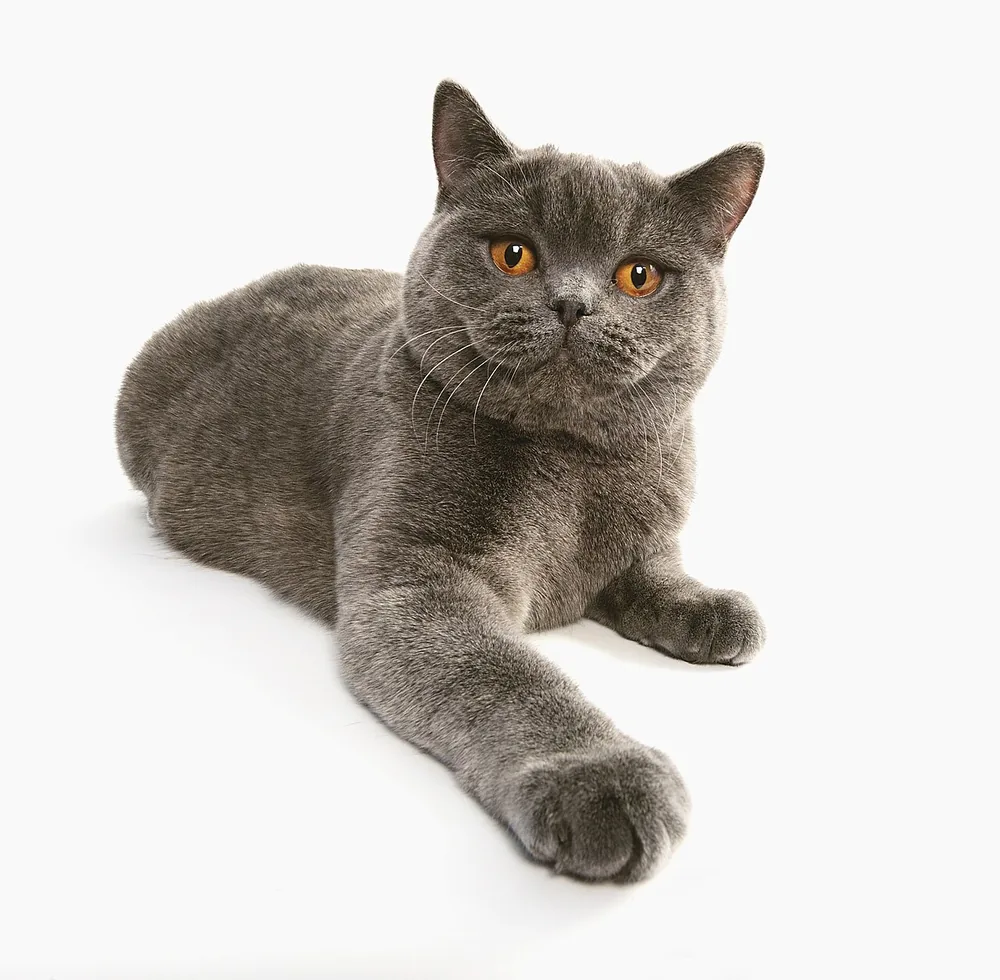
British Shorthair
British Shorthair cost is anchored by a stocky, round-faced build that needs little grooming but a well-documented predisposition to hypertrophic cardiomyopathy that warrants periodic cardiac screening. Between the kitten fee, initial vet visits, and starter gear, most owners spend close to $2,706 in the first year. After that, ongoing costs run near $1,152 a year, roughly $96 a month.
Acquisition, surgical desexing, initial vet series, and starter hardware.
Normalized baseline at ~$96/month routine cash burn.
Projected over a 15-year British Shorthair lifespan.
$2,500 Liquid Reserve Mandate
Critical bufferA well-documented cardiomyopathy predisposition combined with a known clotting-factor disorder in some lines creates recurring cardiac and surgical-risk cost above breed-average.
Source: MetLife True Cost of Pet Emergencies 2025 (15% of owners hit $3,000+; uninsured surgery $3,000–8,000)
Biometric & phenotypic actuarial spec
Annual Cash Burn Matrix ($1,152/yr)
Continuous operational expenditure distributed across 5 core maintenance categories, indexed to metabolic demand and regional clinical rates.
Food
Vet Care
Grooming
Pet Insurance
Supplies & Toys
Upfront Entry CapEx
Purchase / Adoption Fee ($1,000), Initial Vet Visit & Vaccinations ($318), Starter Supplies ($299), Litter & Behavior Basics ($40), First Year Food ($251), First Year Vet Care ($303), First Year Grooming ($60), First Year Insurance ($435).
Comprehensive Lifecycle Ledger
Audited financial breakdown distinguishing immediate first-year fixed capitalization from ongoing annualized operating liabilities over the full 12–17 yrs feline lifespan.
| Expenditure Category | Year 01 Outlay | Annual Steady-State | Lifetime Total | Actuarial Sizing Methodology |
|---|---|---|---|---|
| Purchase / Adoption Fee | $1,000 | — | $1,000 | Varies by breeder vs rescue |
| Initial Vet Visit & Vaccinations | $318 | — | $318 | Spay/neuter, microchip, health check |
| Starter Supplies | $299 | — | $299 | Litter box, scratching post, carrier, bowls |
| Litter & Behavior Basics | $40 | — | $40 | Litter box training, scratching post basics |
| First Year Food | $251 | — | $251 | — |
| First Year Vet Care | $303 | — | $303 | — |
| First Year Grooming | $60 | — | $60 | — |
| First Year Insurance | $435 | — | $435 | — |
| Food | — | $251 | $3,765 | — |
| Vet Care | — | $303 | $4,545 | — |
| Grooming | — | $60 | $900 | — |
| Pet Insurance | — | $435 | $6,525 | — |
| Supplies & Toys | — | $103 | $1,545 | — |
| Gross Actuarial Expenditure | $2,706 | $1,152 / yr | $18,834 | Unadjusted baseline |
Actuarial Health Risk Profile (Tier 4)
A well-documented cardiomyopathy predisposition combined with a known clotting-factor disorder in some lines creates recurring cardiac and surgical-risk cost above breed-average.
Hypertrophic Cardiomyopathy
One of the most consistently reported heart conditions in the breed, thickening the heart wall and often managed with lifelong medication once detected.
Hemophilia B
A rare inherited clotting-factor deficiency documented in British Shorthair bloodlines that can turn a routine surgery into a higher-risk, higher-cost procedure.
Obesity
The breed's stocky, round-bodied build gains weight readily on free feeding, adding joint stress and diabetes risk over a long lifespan.
What Truly Drives the British Shorthair’s Financial Profile
About the British Shorthair and its cost
British Shorthair cost reflects one of the most recognizable and popular pedigreed cats, known for a dense, plush single coat, round face, and copper or blue eyes. Because the breed is widely bred and easy to find compared with rarer purebreds, kitten prices are moderate relative to demand. The short, dense coat needs only occasional brushing, keeping grooming spend low. Its large, stocky frame means food portions run higher than for a small or medium cat, and the breed's popularity means a wide range of breeder quality, so health-testing history matters more than pedigree paperwork alone.
What drives British Shorthair costs
Hypertrophic cardiomyopathy is the single most consequential cost driver, since it's well documented in the breed and typically managed with lifelong medication once diagnosed via echocardiogram. A rarer but real risk is a clotting-factor deficiency in some bloodlines, which raises the stakes and cost of any surgery, including a routine spay or neuter. The breed's tendency to overeat on a stocky frame adds a steady stream of weight-related $303 visits if portions aren't controlled. Grooming stays a minor line item given the low-maintenance coat.
British Shorthair first-year budget
Year one begins with $1,000 to the breeder, plus $318 for vaccines, deworming, and spay or neuter, with a pre-surgical clotting check advisable given the breed's bleeding-disorder history. Starter supplies add $299, and $40 stays minimal. One-time setup lands near $1,657. Add the first year of larger-frame $251, $303 visits including baseline cardiac screening, light $60, and $435 for a recurring $1,049, bringing the full year to $2,706.
British Shorthair yearly cost after year one
Ongoing spending centers on $251 portioned to prevent the breed's characteristic weight gain, an annual exam plus periodic cardiac screening under $303, minimal $60 supplies, $435, and $103 for litter and enrichment. Together these run near $1,152 a year, or $96 a month, with cardiac monitoring the largest non-food line item. Routine wellness exams, parasite prevention, and litter or supply restocking make up the bulk of this steady-state figure, and owners who keep $435 active convert one unpredictable expense into a fixed monthly line instead.
Emergency fund for a British Shorthair
Given the well-documented hypertrophic cardiomyopathy risk and a rarer clotting-factor disorder in some lines, an $2,500 reserve should cover a cardiology workup or a surgery complicated by abnormal bleeding rather than routine illness alone. Across a full lifespan, this risk profile supports a $18,834 for total ownership. A cash reserve matters because diagnostic imaging typically precedes any insurance payout for either condition.
Cutting British Shorthair costs
Weight management is the most controllable lever: keeping this stocky breed lean prevents the joint and metabolic costs obesity would otherwise add, holding down $1,152. Enrolling in insurance before any cardiac or clotting finding locks in coverage while premiums are lowest, which protects the $18,834 outlook against the breed's two defining health risks. Because grooming is already inexpensive, redirecting that saved budget toward a wellness screening plan gets more value than spending it on coat products.
5 Prudent Ways to Cut British Shorthair Costs
Get a pre-purchase cardiac screening
Ask for an echocardiogram result on the kitten's parents rather than relying on pedigree alone. It's the single most effective way to lower the odds of an expensive cardiomyopathy diagnosis later.
Portion-feed from kittenhood
This breed gains weight easily on free feeding, so measured meals from day one prevent the joint and metabolic costs of obesity later. It's a free habit that pays off across the cat's whole life.
Ask about clotting-factor testing before any surgery
If a bleeding disorder runs in the line, a simple pre-surgical clotting test avoids a dangerous and costly complication during spay, neuter, or dental work.
Insure while the cat is young and healthy
Locking in $435 before any cardiac murmur or clotting issue is documented avoids a pre-existing condition exclusion, which matters more for this breed than most.
Keep grooming simple
A weekly wipe-down with a rubber curry brush is enough for this short, dense coat. Skip pricier grooming services meant for longhaired breeds and put that budget toward preventive vet care instead.
Peer Class Financial Comparisons
How the British Shorthair compares to morphological peers on annualized ownership cost.
British Shorthair
Frequently Asked Financial Questions
How much does a British Shorthair cost?
Why are British Shorthairs so expensive?
How much does it cost to own a British Shorthair?
What is the average price of a British Shorthair kitten?
Are British Shorthairs expensive to maintain?
How much does British Shorthair pet insurance cost?
Do British Shorthairs need much grooming?
How much does it cost to feed a British Shorthair?
Data sources
- Hypertrophic Cardiomyopathy in Cats — Cornell Feline Health Center (vet.cornell.edu)
- British Shorthair — Wikipedia (en.wikipedia.org)
- Pet Care Resources — American Veterinary Medical Association (avma.org)
Calculate Your British Shorthair Cost Adjusted by Metro ZIP Code
Veterinary surgical tariffs and clinical room rates vary widely between metropolitan regions and rural counties. Recalculate this dossier with your exact state, city, and lifestyle parameters.