
American Wirehair Cost & Ownership Dossier
American Wirehair cat cost is shaped far more by rarity than by health risk: $2,258 covers the kitten, initial vetting, and gear for one of the least common recognized cat breeds. Ongoing spend runs near $79 in a healthy year. Given a long typical lifespan, total spend reaches $16,478.
Executive cost summary
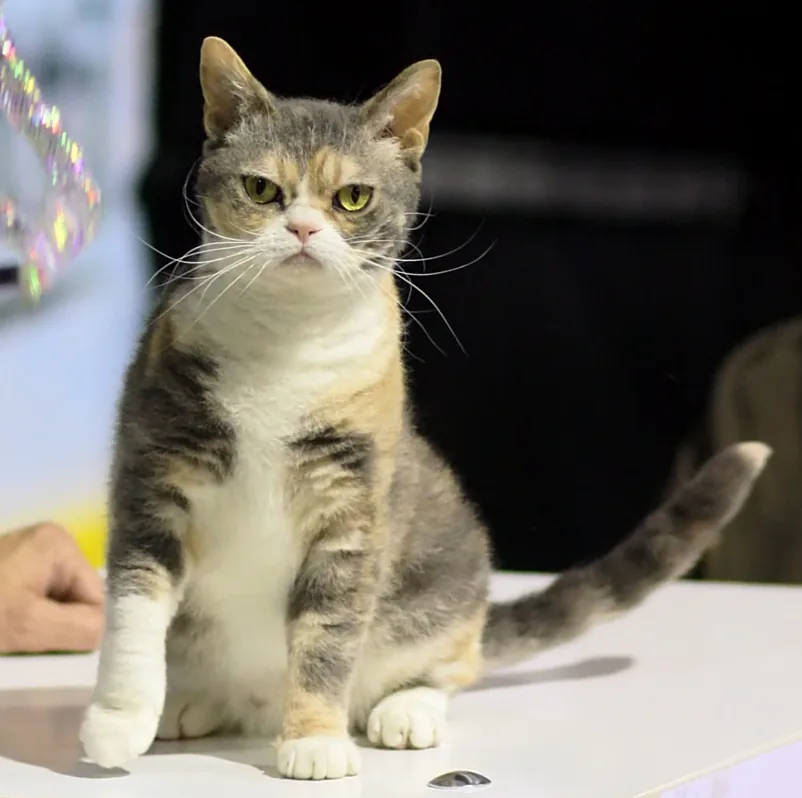
American Wirehair
American Wirehair cat cost is shaped far more by rarity than by health risk: $2,258 covers the kitten, initial vetting, and gear for one of the least common recognized cat breeds. Ongoing spend runs near $79 in a healthy year. Given a long typical lifespan, total spend reaches $16,478.
Acquisition, surgical desexing, initial vet series, and starter hardware.
Normalized baseline at ~$79/month routine cash burn.
Projected over a 16-year American Wirehair lifespan.
$2,000 Liquid Reserve Mandate
Critical bufferThe breed inherits the American Shorthair's cardiac predisposition and hardy constitution, with only its unusual wiry coat adding a minor, non-serious grooming and skin-check consideration on top.
Source: MetLife True Cost of Pet Emergencies 2025 (15% of owners hit $3,000+; uninsured surgery $3,000–8,000)
Biometric & phenotypic actuarial spec
Annual Cash Burn Matrix ($948/yr)
Continuous operational expenditure distributed across 5 core maintenance categories, indexed to metabolic demand and regional clinical rates.
Food
Vet Care
Grooming
Pet Insurance
Supplies & Toys
Upfront Entry CapEx
Purchase / Adoption Fee ($800), Initial Vet Visit & Vaccinations ($300), Starter Supplies ($260), Litter & Behavior Basics ($40), First Year Food ($237), First Year Vet Care ($247), First Year Grooming ($60), First Year Insurance ($314).
Comprehensive Lifecycle Ledger
Audited financial breakdown distinguishing immediate first-year fixed capitalization from ongoing annualized operating liabilities over the full 14–18 yrs feline lifespan.
| Expenditure Category | Year 01 Outlay | Annual Steady-State | Lifetime Total | Actuarial Sizing Methodology |
|---|---|---|---|---|
| Purchase / Adoption Fee | $800 | — | $800 | Varies by breeder vs rescue |
| Initial Vet Visit & Vaccinations | $300 | — | $300 | Spay/neuter, microchip, health check |
| Starter Supplies | $260 | — | $260 | Litter box, scratching post, carrier, bowls |
| Litter & Behavior Basics | $40 | — | $40 | Litter box training, scratching post basics |
| First Year Food | $237 | — | $237 | — |
| First Year Vet Care | $247 | — | $247 | — |
| First Year Grooming | $60 | — | $60 | — |
| First Year Insurance | $314 | — | $314 | — |
| Food | — | $237 | $3,792 | — |
| Vet Care | — | $247 | $3,952 | — |
| Grooming | — | $60 | $960 | — |
| Pet Insurance | — | $314 | $5,024 | — |
| Supplies & Toys | — | $90 | $1,440 | — |
| Gross Actuarial Expenditure | $2,258 | $948 / yr | $16,478 | Unadjusted baseline |
Actuarial Health Risk Profile (Tier 2)
The breed inherits the American Shorthair's cardiac predisposition and hardy constitution, with only its unusual wiry coat adding a minor, non-serious grooming and skin-check consideration on top.
Hypertrophic Cardiomyopathy
Sharing ancestry with the American Shorthair, this breed carries a similar documented cardiac predisposition worth periodic ultrasound screening.
Skin and Coat Sensitivity
The dominant wirehair gene curls and thins the coat and whiskers unevenly, occasionally leaving thin patches that need a vet check to rule out skin infection rather than normal coat texture.
Obesity
A calm, food-motivated temperament similar to its American Shorthair relatives makes weight gain a realistic long-term risk for this breed.
What Truly Drives the American Wirehair’s Financial Profile
About the American Wirehair and its cost
American Wirehair cat cost is dominated by scarcity. The breed descends from a single spontaneous coat mutation discovered on a New York farm in 1966, and it remains one of the rarest pedigreed cats in the world, with only a handful of active breeders anywhere. That rarity, not any special fragility, is what pushes kitten price well above an American Shorthair despite the two breeds being close genetic relatives. The springy, crimped coat feels unlike any other breed's and needs no special maintenance beyond an occasional gentle brush, since excessive brushing can damage the wire texture.
What drives American Wirehair costs
Because this breed shares recent ancestry with the American Shorthair, it carries the same documented predisposition to hypertrophic cardiomyopathy, making periodic cardiac ultrasound a sensible recurring vet cost rather than a one-time expense. The coat mutation itself is generally harmless, though some cats develop thin patches that warrant a vet check to distinguish normal coat variation from a skin infection. A calm, food-motivated temperament inherited from the same lineage also makes weight gain a realistic long-term cost driver. Set against that, the breed's genuine rarity means most owners will simply never find a cost problem tied to overbreeding or popularity-driven demand issues.
American Wirehair first-year budget
$800 reflects the premium tied to this breed's extreme rarity, often including a wait for one of the few active breeders, and $300 covers vaccines, spay or neuter, microchip, and a baseline cardiac-focused exam. $260 furnishes a litter box, scratching post, and a soft-bristle brush suited to the wire coat, while $40 covers a puzzle-feeder kit for this curious, easygoing breed. Recurring costs stay moderate: $237 for a sturdy medium cat, $247 for early wellness visits, $60 for minimal coat care, and $314 if enrolled now. One-time costs total $1,400, recurring costs $858, for a first-year total of $2,258.
American Wirehair yearly cost after year one
Ongoing ownership runs near $948 a year, or about $79 monthly, closely tracking a typical American Shorthair once the kitten is settled. $237 stays moderate provided portions are measured against this food-motivated breed's weight gain tendency. $314 is worth keeping given the shared cardiac risk. $247 covers an annual exam plus periodic cardiac screening. $60 stays minimal and gentle to protect the wire texture. $90 replaces scratching posts and toys over a long expected lifespan.
Emergency fund for an American Wirehair
Keep $2,000 on hand, sized around the same cardiac risk profile as the American Shorthair. Undetected hypertrophic cardiomyopathy can progress to heart failure or a sudden clot requiring emergency hospitalization, the most serious realistic scenario for this breed. A skin infection mistaken for normal coat texture, if left untreated, is a smaller but real possibility. Because replacing this breed is difficult given its rarity, many owners choose to fund this reserve generously alongside insurance, protecting the $16,478 budgeted for a cat that may be hard to find a second time.
Cutting American Wirehair costs
There is little room to reduce the acquisition cost given the breed's rarity, so the realistic savings lie in ongoing care. Periodic cardiac screening, done proactively rather than after symptoms appear, avoids the higher cost of treating advanced heart disease. Gentle, infrequent brushing protects the coat while keeping grooming spend minimal by design. Weight management through portioned meals guards against the same obesity risk this breed inherits from its American Shorthair ancestry, helping keep the $16,478 total close to its lower end.
5 Prudent Ways to Cut American Wirehair Costs
Expect a wait, and budget for it
With only a few active breeders worldwide, finding an American Wirehair kitten often means a waiting list rather than an immediate purchase. Planning the acquisition budget months in advance avoids rushed decisions or paying a premium for expedited placement.
Schedule periodic cardiac screening
Given the shared ancestry with the American Shorthair, an ultrasound every few years catches hypertrophic cardiomyopathy while it is still manageable with medication, avoiding a costlier emergency later.
Brush gently and infrequently
Over-brushing can flatten or damage the signature wire texture. A light, occasional brush is enough to remove loose hair, which keeps grooming cost and coat damage both low.
Portion meals to prevent weight gain
This breed's calm, steady appetite mirrors its American Shorthair relatives. Measured feeding rather than free-feeding protects against the vet costs tied to feline obesity over a long lifespan.
Ask breeders about cardiac screening history
Because the gene pool is small, asking directly about heart health in the lines being offered is a reasonable question a responsible breeder should be able to answer, and it reduces the odds of the breed's main health risk.
Peer Class Financial Comparisons
How the American Wirehair compares to morphological peers on annualized ownership cost.
American Wirehair
Frequently Asked Financial Questions
How much does an American Wirehair cat cost per month?
Is an American Wirehair cat expensive to own?
Why are American Wirehair cats so rare and expensive?
What are the yearly costs of owning an American Wirehair cat?
Do American Wirehair cats need pet insurance?
How much is an American Wirehair kitten?
Does the American Wirehair coat need special grooming?
How much does an American Wirehair cost over its lifetime?
Data sources
- American Wirehair — Wikipedia (en.wikipedia.org)
- Cardiomyopathy in Cats — Merck Veterinary Manual (merckvetmanual.com)
- Cutting Pet Care Costs — ASPCA (aspca.org)
Calculate Your American Wirehair Cost Adjusted by Metro ZIP Code
Veterinary surgical tariffs and clinical room rates vary widely between metropolitan regions and rural counties. Recalculate this dossier with your exact state, city, and lifestyle parameters.