
Anatolian Shepherd Dog Cost & Ownership Dossier
Anatolian Shepherd Dog cost runs high for the same reason the breed exists: a livestock guardian built at giant scale needs more food, more space, and bigger veterinary bills than a mid-size dog. Expect the first year to carry the heaviest one-time spending, then a steady annual bill driven mostly by food and preventive vet care. Insurance premiums also run higher here than for smaller breeds, reflecting the size-linked conditions this dog is prone to.
Executive cost summary
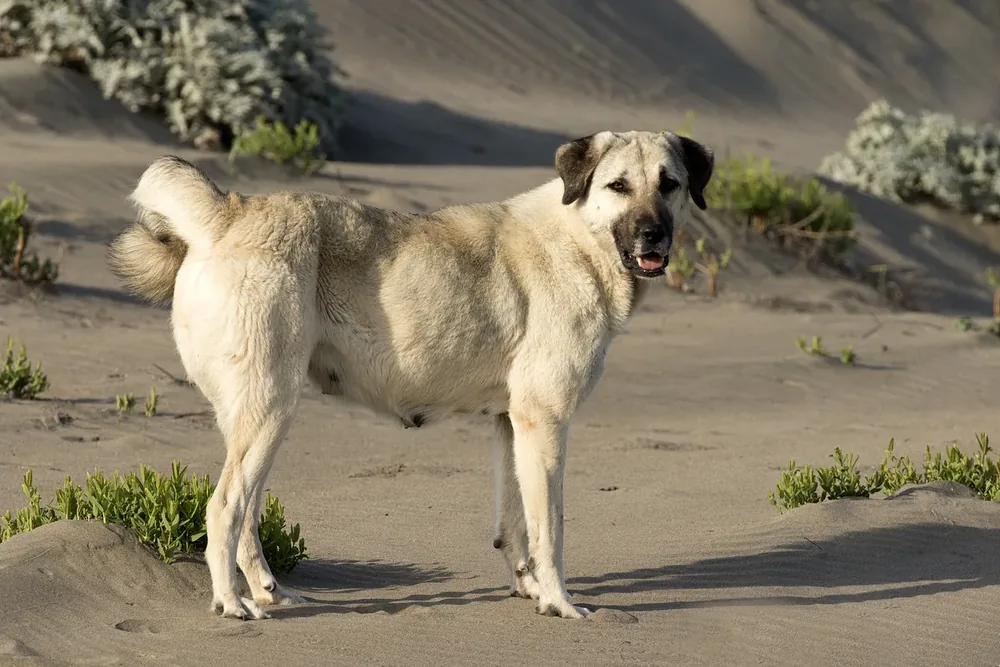
Anatolian Shepherd Dog
Anatolian Shepherd Dog cost runs high for the same reason the breed exists: a livestock guardian built at giant scale needs more food, more space, and bigger veterinary bills than a mid-size dog. Expect the first year to carry the heaviest one-time spending, then a steady annual bill driven mostly by food and preventive vet care. Insurance premiums also run higher here than for smaller breeds, reflecting the size-linked conditions this dog is prone to.
Acquisition, surgical desexing, initial vet series, and starter hardware.
Normalized baseline at ~$270/month routine cash burn.
Projected over a 12-year Anatolian Shepherd Dog lifespan.
$5,000 Liquid Reserve Mandate
Critical bufferGiant size drives orthopedic and bloat risk while adding a real, if less common, cancer predisposition, so ongoing vet spend tends to run above breed-average.
Source: MetLife True Cost of Pet Emergencies 2025 (15% of owners hit $3,000+; uninsured surgery $3,000–8,000)
Biometric & phenotypic actuarial spec
Annual Cash Burn Matrix ($3,236/yr)
Continuous operational expenditure distributed across 5 core maintenance categories, indexed to metabolic demand and regional clinical rates.
Food
Vet Care
Grooming
Pet Insurance
Supplies & Toys
Upfront Entry CapEx
Purchase / Adoption Fee ($1,400), Initial Vet Visit & Vaccinations ($752), Starter Supplies ($618), Training Classes ($260), First Year Food ($970), First Year Vet Care ($828), First Year Grooming ($195), First Year Insurance ($1,061).
Comprehensive Lifecycle Ledger
Audited financial breakdown distinguishing immediate first-year fixed capitalization from ongoing annualized operating liabilities over the full 11–13 yrs canine lifespan.
| Expenditure Category | Year 01 Outlay | Annual Steady-State | Lifetime Total | Actuarial Sizing Methodology |
|---|---|---|---|---|
| Purchase / Adoption Fee | $1,400 | — | $1,400 | Varies by breeder vs rescue |
| Initial Vet Visit & Vaccinations | $752 | — | $752 | Spay/neuter, microchip, health check |
| Starter Supplies | $618 | — | $618 | Bed, crate, collar, bowls, toys |
| Training Classes | $260 | — | $260 | Basic obedience recommended |
| First Year Food | $970 | — | $970 | — |
| First Year Vet Care | $828 | — | $828 | — |
| First Year Grooming | $195 | — | $195 | — |
| First Year Insurance | $1,061 | — | $1,061 | — |
| Food | — | $970 | $11,640 | — |
| Vet Care | — | $828 | $9,936 | — |
| Grooming | — | $195 | $2,340 | — |
| Pet Insurance | — | $1,061 | $12,732 | — |
| Supplies & Toys | — | $182 | $2,184 | — |
| Gross Actuarial Expenditure | $6,084 | $3,236 / yr | $41,680 | Unadjusted baseline |
Actuarial Health Risk Profile (Tier 4)
Giant size drives orthopedic and bloat risk while adding a real, if less common, cancer predisposition, so ongoing vet spend tends to run above breed-average.
Hip Dysplasia
A large frame growing fast puts uneven load on the hip joint, and this breed's size makes it a common orthopedic finding.
Bloat (gastric dilatation-volvulus)
A deep chest and giant size raise the risk of the stomach twisting, an emergency that needs immediate surgery.
Hypothyroidism
An underactive thyroid shows up periodically in the breed and needs lifelong daily medication once diagnosed.
Entropion
An inward-rolling eyelid can irritate the cornea and, left unaddressed, usually calls for a corrective surgery.
Osteosarcoma
Giant breeds carry an elevated lifetime risk of this aggressive bone cancer, which drives some of the costliest treatment decisions an owner will face.
What Truly Drives the Anatolian Shepherd Dog’s Financial Profile
About the Anatolian Shepherd Dog and its cost
The Anatolian Shepherd Dog is a Turkish livestock guardian bred to work independently, often unsupervised, protecting flocks from predators. That independence and size mean owners budget differently than for a companion breed: $1,400 at acquisition, $752 to get vaccines and a wellness exam done, and $618 for a crate, bed, and gear sized for a giant-breed adult. Training costs also run higher than average, since this breed benefits from early, consistent obedience work given its guarding instincts and size.
What drives Anatolian Shepherd costs
Size drives most of the ongoing anatolian shepherd cost: a dog this large eats considerably more than a mid-size breed, so $970 is a bigger line item than owners expect going in. Hip dysplasia and bloat risk push $828 and $1,061 higher too, since giant breeds are underwritten differently. Grooming stays modest for this double coat, but seasonal shedding still means regular brushing rather than professional grooming visits.
Anatolian Shepherd Dog first-year budget
The first year combines one-time setup with recurring costs during the puppy's fastest growth phase. One-time spending covers $1,400, $752 for the vaccine series and exam, $618 for large-breed gear, and $260 for early obedience work, together forming the $3,030. Recurring costs for $970, $828, $195, and $1,061 add up to the $3,054, bringing the $6,084 for year one. Food and vet costs both run high because of the breed's rapid growth to giant adult size.
Anatolian Shepherd Dog yearly cost after year one
Once past the puppy phase, annual cost settles into a steadier pattern built from $970, $828, $195, $1,061, and $182, summing to the $3,236. Spread monthly, that works out to $270. Food remains the largest recurring line given the dog's mature size and slower metabolism, so portions and quality food stay a meaningful budget item well into adulthood. Vet spending stays elevated relative to mid-size breeds because of ongoing orthopedic and thyroid monitoring, plus routine bloodwork owners often add once the dog reaches middle age. Grooming stays modest since the double coat mainly needs regular brushing rather than professional trims, while insurance premiums tend to climb slightly each renewal as the breed ages and claims history builds.
Emergency fund for an Anatolian Shepherd Dog
Bloat and hip dysplasia are the two conditions most likely to trigger an unplanned, high-cost vet visit in this breed, and both can require emergency surgery on short notice. Building toward the $5,000 reserve protects against that scenario without needing to borrow or delay care. Owners weighing the $41,680 should treat this reserve as a standing line item, not a one-time expense, since giant-breed emergencies tend to recur across a dog's life.
Cutting Anatolian Shepherd Dog costs
The biggest lever over the $41,680 is prevention: screened breeding stock, controlled puppy growth, and weight management all reduce the odds of the orthopedic and bloat-related bills that push this breed's $3,236 above average. Insurance taken out early also smooths out the $270 figure by capping exposure to the single largest unplanned expense. Buying food and supplies in bulk trims the recurring lines without touching quality of care.
5 Prudent Ways to Cut Anatolian Shepherd Dog Costs
Ask breeders for hip and thyroid screening records
A puppy from OFA-screened parents lowers the odds of an expensive orthopedic or endocrine diagnosis later. Ask to see the paperwork before you commit to a breeder.
Buy large-breed food in bulk
A dog this size goes through food fast, so per-pound pricing matters. Buying in bulk or through a subscription can meaningfully cut the $970 line without switching brands.
Enroll in pet insurance as a puppy
Premiums are lower and pre-existing condition exclusions are fewer when you enroll before any diagnosis. For a giant breed prone to orthopedic and cancer risk, this timing matters more than usual.
Invest in secure fencing early
This breed roams and guards by instinct, and a single escape-related vet visit or liability claim can cost more than the fencing itself. Treat it as a one-time setup cost, not an optional extra.
Keep weight and joints in check while young
Controlled growth and lean body condition through the first two years reduce the lifetime odds of a costly hip or joint problem. Ask your vet about large-breed puppy food formulated for slower growth.
Peer Class Financial Comparisons
How the Anatolian Shepherd Dog compares to morphological peers on annualized ownership cost.
Anatolian Shepherd Dog
Frequently Asked Financial Questions
How much does an Anatolian Shepherd cost per month?
How much is an Anatolian Shepherd puppy?
Are Anatolian Shepherds expensive to feed?
How much does it cost to adopt an Anatolian Shepherd?
What are the annual vet and insurance costs for an Anatolian Shepherd?
What is the lifetime cost of owning an Anatolian Shepherd?
Do Anatolian Shepherds need pet insurance?
Why is livestock guardian dog price higher than other large breeds?
Data sources
- Anatolian Shepherd Dog Breed Standard — AKC (akc.org)
- Pet Health Insurance Basics — NAPHIA (naphia.org)
- Anatolian Shepherd Dog — Wikipedia (en.wikipedia.org)
Calculate Your Anatolian Shepherd Dog Cost Adjusted by Metro ZIP Code
Veterinary surgical tariffs and clinical room rates vary widely between metropolitan regions and rural counties. Recalculate this dossier with your exact state, city, and lifestyle parameters.