
How Much Does a Great Pyrenees Cost Per Year?
Great Pyrenees cost runs high for a dog, because a giant frame eats and medicates in bulk, with $6,050 covering the puppy, initial vetting, and starter gear. Ongoing care settles near $267 once the vaccine series tapers, while the thick double coat and the bloat and bone-cancer risk keep the grooming and vet lines firm. Budget $34,868 across a lifespan that is short for its size.
Executive cost summary
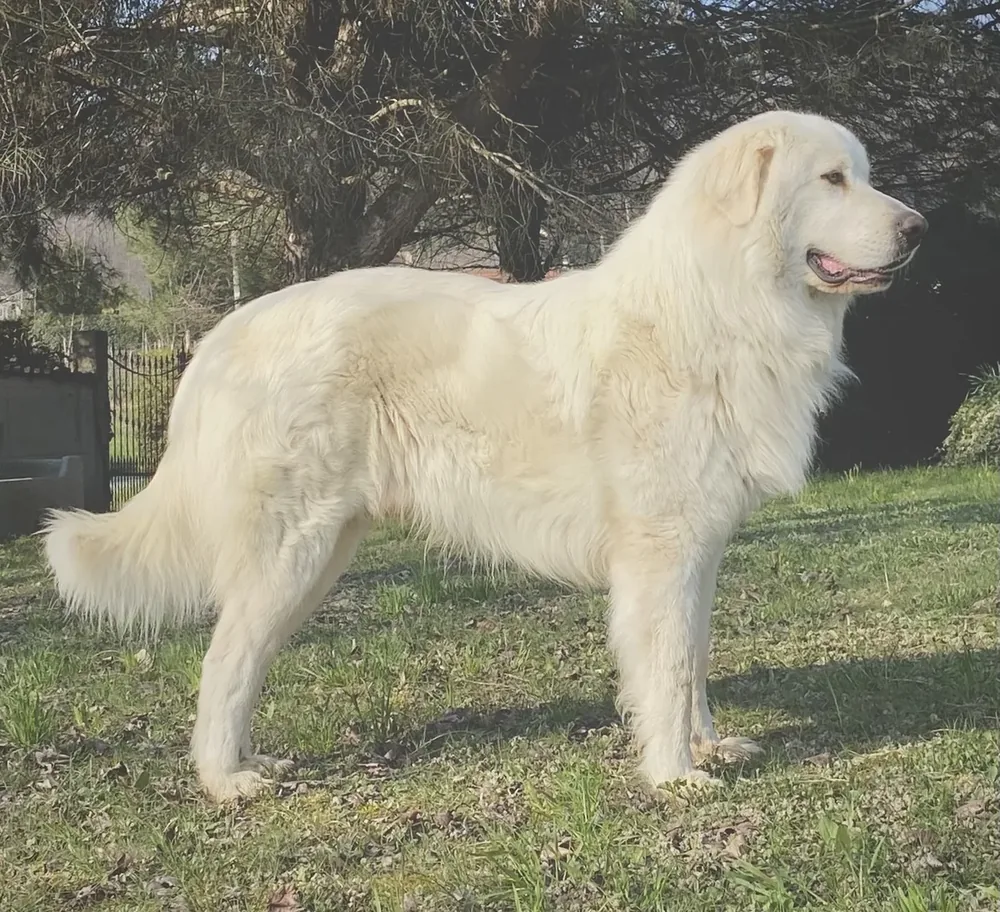
Great Pyrenees
Great Pyrenees cost runs high for a dog, because a giant frame eats and medicates in bulk, with $6,050 covering the puppy, initial vetting, and starter gear. Ongoing care settles near $267 once the vaccine series tapers, while the thick double coat and the bloat and bone-cancer risk keep the grooming and vet lines firm. Budget $34,868 across a lifespan that is short for its size.
Acquisition, surgical desexing, initial vet series, and starter hardware.
Normalized baseline at ~$267/month routine cash burn.
Projected over a 10-year Great Pyrenees lifespan.
$5,000 Liquid Reserve Mandate
Critical bufferA deep-chested giant frame carries a bloat emergency risk on top of hip and knee orthopedic disease and a bone cancer predisposition, each with recurring or high one-off vet cost.
Source: MetLife True Cost of Pet Emergencies 2025 (15% of owners hit $3,000+; uninsured surgery $3,000–8,000)
Biometric & phenotypic actuarial spec
What a Great Pyrenees costs, year by year
Cumulative spend across a 10-year life in today's dollars, with the same curve at 3% and 8% yearly inflation. Year 1 carries the acquisition and setup bill.
- Food & nutrition
- Vet & insurance
- Grooming & coat
- Setup & sundries
- - - - at 3% inflation: $39,555
- · · · at 8%: $49,234
Where the big bills land
Bars are routine one-off vet events (vaccine boosters, dental cleanings, bloodwork, spay/neuter). Diamonds are sourced condition treatments for this breed.
89th percentile
73rd percentile
Ranked against 265 other dog breeds in this directory.
View as a table
| Year | Spend | Cumulative | Routine vet events |
|---|---|---|---|
| 1 | $6,050 | $6,050 | $772 |
| 2 | $3,202 | $9,252 | $77 |
| 3 | $3,202 | $12,454 | $543 |
| 4 | $3,202 | $15,656 | $164 |
| 5 | $3,202 | $18,858 | $620 |
| 6 | $3,202 | $22,060 | $164 |
| 7 | $3,202 | $25,262 | $543 |
| 8 | $3,202 | $28,464 | $405 |
| 9 | $3,202 | $31,666 | $707 |
| 10 | $3,202 | $34,868 | $328 |
- Gastric dilatation-volvulus (bloat): about $4,750 once, from year 10 (MetLife Pet Insurance, Bloat in Dogs (metlifepetinsurance.com/blog/pet-health/bloat-in-dogs), 2026-09, medium confidence)
Annual Cash Burn Matrix ($3,202/yr)
Continuous operational expenditure distributed across 5 core maintenance categories, indexed to metabolic demand and regional clinical rates.
Food
Source: Derived: veterinary MER formula + mid-tier dry kibble price (2026-01)
Vet Care
Source: Modeled estimate, not a sourced figure. Category basis: ASPCA / AAHA routine wellness composite (annual exam, vaccines, parasite control) x size 1.14 x risk 1.1 (2026-01)
Grooming
Source: Modeled estimate, not a sourced figure. Category basis: Rover / PetSmart service menu, short-coat baseline (grooming rating 2) x coat 1.6 (2026-01)
Pet Insurance
Source: Derived: NAPHIA State of the Industry 2025 (2024 data), accident & illness dog average x size 1.2 x risk 1.18 (2026-01)
Supplies & Toys
Source: Derived: Synchrony Pet Lifetime of Care 2025 (toy replacement $50–150/yr) plus routine consumables x size 1.3 (2026-01)
Upfront Entry CapEx
Purchase / Adoption Fee ($1,400), Initial Vet Visit & Vaccinations ($752), Starter Supplies ($618), Training Classes ($260), First Year Food ($819), First Year Vet Care ($828), First Year Grooming ($312), First Year Insurance ($1,061).
Comprehensive Lifecycle Ledger
Audited financial breakdown distinguishing immediate first-year fixed capitalization from ongoing annualized operating liabilities over the full 10–12 yrs canine lifespan.
| Expenditure Category | Year 01 Outlay | Annual Steady-State | Lifetime Total | Actuarial Sizing Methodology |
|---|---|---|---|---|
| Purchase / Adoption Fee | $1,400 | — | $1,400 | Varies by breeder vs rescue |
| Initial Vet Visit & Vaccinations | $752 | — | $752 | Spay/neuter, microchip, health check |
| Starter Supplies | $618 | — | $618 | Bed, crate, collar, bowls, toys |
| Training Classes | $260 | — | $260 | Basic obedience recommended |
| First Year Food | $819 | — | $819 | — |
| First Year Vet Care | $828 | — | $828 | — |
| First Year Grooming | $312 | — | $312 | — |
| First Year Insurance | $1,061 | — | $1,061 | — |
| Food | — | $819 | $8,190 | — |
| Vet Care | — | $828 | $8,280 | — |
| Grooming | — | $312 | $3,120 | — |
| Pet Insurance | — | $1,061 | $10,610 | — |
| Supplies & Toys | — | $182 | $1,820 | — |
| Gross Actuarial Expenditure | $6,050 | $3,202 / yr | $34,868 | Unadjusted baseline |
Actuarial Health Risk Profile (Tier 4)
A deep-chested giant frame carries a bloat emergency risk on top of hip and knee orthopedic disease and a bone cancer predisposition, each with recurring or high one-off vet cost.
Gastric dilatation-volvulus (bloat)
The stomach swells with gas and can twist, cutting off blood flow within hours; deep-chested giants need emergency surgery to survive.
- Typical treatment cost (one-time)
- $2,000–$7,500
Typically appears at age 9–12
medium confidence · MetLife Pet Insurance, Bloat in Dogs, 2026-09
Hip Dysplasia
A loose, poorly formed hip joint that wears into arthritis; the load carried by a giant frame speeds the damage and the need for imaging, medication, or surgery.
- Typical treatment cost (one-time)
- $7,000–$9,000
medium confidence · Iowa State University Lloyd Veterinary Medical Center, Total Hip Replacement, 2026-09
Osteosarcoma
An aggressive bone cancer seen mostly in large and giant breeds, typically treated with limb amputation followed by chemotherapy.
Typically appears around age 7
low confidence
Patellar Luxation
The kneecap slips out of its groove and causes a skipping gait; higher grades need surgical realignment and add strain to an already heavy dog.
- Typical treatment cost (one-time)
- $1,000–$5,000
medium confidence · MetLife Pet Insurance, Luxating Patella in Dogs, 2026-09
Costs are typical for the condition in general, not specific to the Great Pyrenees. See the Great Pyrenees cost timeline
What Truly Drives the Great Pyrenees’s Financial Profile
About the Great Pyrenees and its cost
Great Pyrenees cost starts with size. Bred to guard flocks through Pyrenean winters, the breed is a calm, independent, white-coated giant that reads as a gentle presence indoors and a watchful patroller outdoors. That bulk scales every line: food by the sack, medication dosed by body weight, oversized crates, and boarding priced by the pound. The dense double coat sheds heavily all year and blows out each season, so brushing time and vacuum upkeep belong in the budget even though the dog rarely needs a bath. Moderate exercise needs and a steady nature keep training and gear costs ordinary, but a healthy puppy from a screening breeder still sits well above most companion dogs.
What drives Great Pyrenees costs
Vet spending follows the giant-breed pattern. Bloat, formally gastric dilatation-volvulus, is a sudden emergency in deep-chested dogs and calls for immediate surgery. Hip dysplasia and patellar luxation add orthopedic imaging, joint supplements, and occasional corrective operations, while osteosarcoma, a bone cancer common in large and giant breeds, brings amputation and chemotherapy decisions later in life. Heavy dogs also mean larger anesthetic doses and implants, and higher insurance premiums. The thick coat can hide skin trouble until it is advanced, and a short lifespan compresses the years over which routine costs are spread.
A livestock guardian in a living room
The Great Pyrenees is an 85 to 115 pound livestock guardian, and its costs start with temperament as much as health. It barks at night, roams, and needs a tall, secure fence, which can be the biggest one-time expense for a new owner. The thick white coat blows out heavily twice a year. Medical exposures are bloat at $2,000 to $7,500 on this page's data, hip dysplasia at $7,000 to $9,000 per hip, patellar luxation at $1,000 to $5,000, and osteosarcoma. With a 10-year life, the lifetime estimate is $34,868.
Great Pyrenees first-year budget
The first year is front-loaded and scaled to a giant puppy. $1,400 covers the puppy from a health-testing breeder or a rescue adoption, then $752 pays for the vaccine series, spay or neuter, microchip, and early exams. $618 buys an oversized crate, a large bed, a sturdy harness and leash, and an undercoat rake, and $260 funds puppy classes for a dog that will be hard to move once it decides not to cooperate. Recurring lines are heavy: $819 for a growing large-breed puppy, $828 for prevention and rechecks, $312 for supplies and the odd professional visit, and $1,061 if enrolled early. One-time items total $3,030, recurring items $3,020, and the year lands at $6,050.
Great Pyrenees yearly cost after year one
Once setup is done, the Great Pyrenees settles into a pattern near $3,202 a year, or about $267 a month. $819 is the dominant line, because a dog this large eats a great deal even at a calm energy level. $1,061 is the next fixed cost and the one most worth keeping. $828 covers the annual wellness exam, weight-based preventives, and bloodwork and joint checks as the dog ages. $312 stays modest with home brushing, and $182 covers replacement beds, chews, and heavy-duty gear. A surgery or cancer year sits on top of this baseline.
Emergency fund for a Great Pyrenees
Keep $5,000 set aside for this breed. The realistic trigger is bloat: a swollen, twisted stomach needs emergency surgery within hours and often a stay in intensive care, and owners rarely get time to shop around. Advanced hip dysplasia or a luxating kneecap can bring orthopedic operations, and a bone tumor can mean amputation followed by chemotherapy. Because the breed's lifespan is short, these events tend to cluster in the later years. Funding this account early keeps one crisis from distorting the $34,868 you have planned for, and supports choosing a higher insurance deductible to lower monthly premiums.
Cutting Great Pyrenees costs
The largest controllable line is food, so measured portions of a quality large-breed diet held at a lean weight protect both the budget and the joints. Home brushing removes most grooming spend, and a gastropexy done at neutering swaps a possible emergency operation for a small add-on. Buying from a breeder who screens parents for hip and knee problems, or adopting from rescue, lowers the odds of the surgeries that dominate a bad year. Together these habits keep $3,202 stable and can trim a meaningful fraction from $267 and the $34,868 without cutting care quality.
6 Prudent Ways to Cut Great Pyrenees Costs
Ask about a preventive gastropexy
Tacking the stomach in place during spay or neuter surgery is far cheaper than an emergency bloat operation and sharply lowers the chance of a twist. Raise it when you schedule the procedure so it happens under one anesthetic, not two.
Brush the coat yourself
An undercoat rake and slicker brush used weekly keep the double coat free of mats and cut shedding around the house. Save professional deshedding for the seasonal blowout instead of booking regular salon visits. Never shave the coat, which offers no cost saving and harms its insulation.
Keep the dog lean
Extra weight on giant-breed joints speeds hip and knee wear and raises the odds of surgery. Measured portions of a large-breed diet also stretch each bag of food further. Ask your vet to score body condition at every visit.
Insure while the dog is young
Enroll before any joint issue is recorded so hip and knee problems are not excluded later as pre-existing. Compare a higher deductible against your emergency reserve, since bloat surgery and cancer care are the claims that justify the policy.
Buy from a screened line or adopt
Ask for hip and patella clearances on both parents through OFA. The breed also turns up in rescue regularly, and adoption fees run far below breeder prices while often including vaccines and neutering.
Buy large-breed food by the case, not the bag
"Dog food for great pyrenees" draws serious search volume on its own because an 85-100 lb dog burns through a standard bag in days. Buying a large-breed formula in bulk from a warehouse club or subscribe-and-save program is the most direct way to shrink that piece of the roughly $267 monthly figure.
Peer Class Financial Comparisons
How the Great Pyrenees compares to morphological peers on annualized ownership cost.
Great Pyrenees
Frequently Asked Financial Questions
How much does a great pyrenees cost per month?
Is a great pyrenees expensive to own?
What are the yearly costs of owning a great pyrenees?
How much are great pyrenees vet bills?
Do Great Pyrenees need pet insurance?
Do Great Pyrenees need professional grooming?
How much is a Great Pyrenees puppy?
What is the lifetime price of owning a Great Pyrenees?
How much more does dog food cost for a Great Pyrenees than for a smaller breed?
Do Great Pyrenees bark a lot?
Do Great Pyrenees need a fence?
Related reading
Data sources
- Great Pyrenees Dog Breed Information — American Kennel Club (akc.org)
- Great Pyrenees — Wikipedia (en.wikipedia.org)
- Cutting Pet Care Costs — ASPCA (aspca.org)
Calculate Your Great Pyrenees Cost Adjusted by Metro ZIP Code
Veterinary surgical tariffs and clinical room rates vary widely between metropolitan regions and rural counties. Recalculate this dossier with your exact state, city, and lifestyle parameters.