
Bernese Mountain Dog Cost & Ownership Dossier
Bernese mountain dog cost reflects a giant, gentle breed whose short lifespan is shadowed by an above-average cancer rate that drives real financial risk. First-year spending typically runs around $6,324, with steady ownership settling near $3,476 a year, or about $290 a month. Across a full lifespan the total approaches $30,656.
Executive cost summary
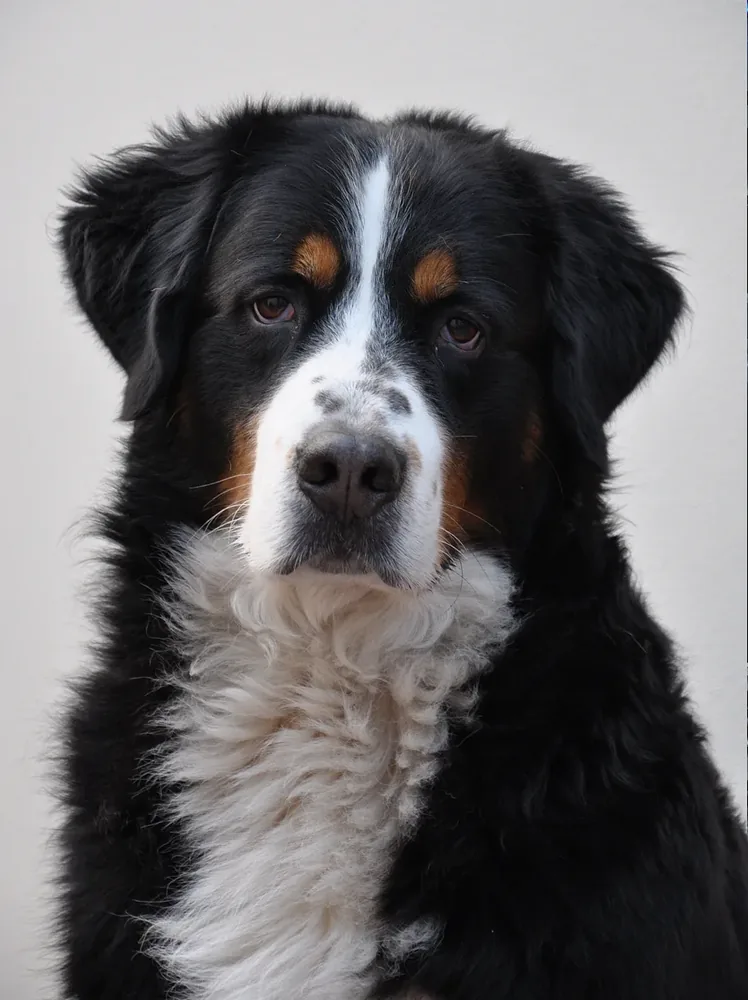
Bernese Mountain Dog
Bernese mountain dog cost reflects a giant, gentle breed whose short lifespan is shadowed by an above-average cancer rate that drives real financial risk. First-year spending typically runs around $6,324, with steady ownership settling near $3,476 a year, or about $290 a month. Across a full lifespan the total approaches $30,656.
Acquisition, surgical desexing, initial vet series, and starter hardware.
Normalized baseline at ~$290/month routine cash burn.
Projected over a 8-year Bernese Mountain Dog lifespan.
$5,000 Liquid Reserve Mandate
Critical bufferAn unusually high lifetime cancer rate combines with joint disease and bloat risk in a giant, short-lived breed to create the highest tier of recurring and catastrophic cost exposure.
Source: MetLife True Cost of Pet Emergencies 2025 (15% of owners hit $3,000+; uninsured surgery $3,000–8,000)
Biometric & phenotypic actuarial spec
Annual Cash Burn Matrix ($3,476/yr)
Continuous operational expenditure distributed across 5 core maintenance categories, indexed to metabolic demand and regional clinical rates.
Food
Vet Care
Grooming
Pet Insurance
Supplies & Toys
Upfront Entry CapEx
Purchase / Adoption Fee ($1,400), Initial Vet Visit & Vaccinations ($752), Starter Supplies ($618), Training Classes ($260), First Year Food ($824), First Year Vet Care ($918), First Year Grooming ($312), First Year Insurance ($1,240).
Comprehensive Lifecycle Ledger
Audited financial breakdown distinguishing immediate first-year fixed capitalization from ongoing annualized operating liabilities over the full 7–10 yrs canine lifespan.
| Expenditure Category | Year 01 Outlay | Annual Steady-State | Lifetime Total | Actuarial Sizing Methodology |
|---|---|---|---|---|
| Purchase / Adoption Fee | $1,400 | — | $1,400 | Varies by breeder vs rescue |
| Initial Vet Visit & Vaccinations | $752 | — | $752 | Spay/neuter, microchip, health check |
| Starter Supplies | $618 | — | $618 | Bed, crate, collar, bowls, toys |
| Training Classes | $260 | — | $260 | Basic obedience recommended |
| First Year Food | $824 | — | $824 | — |
| First Year Vet Care | $918 | — | $918 | — |
| First Year Grooming | $312 | — | $312 | — |
| First Year Insurance | $1,240 | — | $1,240 | — |
| Food | — | $824 | $6,592 | — |
| Vet Care | — | $918 | $7,344 | — |
| Grooming | — | $312 | $2,496 | — |
| Pet Insurance | — | $1,240 | $9,920 | — |
| Supplies & Toys | — | $182 | $1,456 | — |
| Gross Actuarial Expenditure | $6,324 | $3,476 / yr | $30,656 | Unadjusted baseline |
Actuarial Health Risk Profile (Tier 5)
An unusually high lifetime cancer rate combines with joint disease and bloat risk in a giant, short-lived breed to create the highest tier of recurring and catastrophic cost exposure.
Cancer (histiocytic sarcoma and others)
The breed carries an unusually high lifetime cancer rate, often requiring costly imaging, oncology consults, and treatment.
Hip and elbow dysplasia
Malformed joints common in giant breeds that can cause lameness and sometimes require orthopedic surgery.
Gastric dilatation-volvulus (bloat)
The deep chest predisposes the breed to a gas-filled, twisted stomach, a same-day surgical emergency.
What Truly Drives the Bernese Mountain Dog’s Financial Profile
About the Bernese Mountain Dog and its cost
Bernese mountain dog cost starts with a striking, tricolor Swiss farm dog bred to pull carts and guard livestock in the Alps, now beloved as a gentle family companion. This is a large, calm dog that thrives on cool weather and human company, but its short lifespan compared with other giant breeds means costs concentrate into fewer years. A puppy from a health-testing breeder runs at $1,400, with rescue adoption a lower-cost alternative given the breed's popularity in rehoming networks. Add $752 for the first veterinary series and $260 for early handling of a dog that will soon be very large. First-year spending lands near $6,324.
What drives Bernese Mountain Dog costs
Cancer is the defining cost driver for this breed: Berners have one of the highest lifetime cancer rates of any breed, and a diagnosis often means expensive imaging, oncology consults, and chemotherapy or surgery. Giant size compounds every other cost, from larger medication doses to higher surgical and boarding fees, keeping bernese mountain dog food cost and bernese mountain dog vet bills elevated throughout life. Hip and elbow dysplasia add further orthopedic risk, and the deep chest carries bloat risk requiring emergency surgery. Plan recurring spending heavily around $918 and $1,240 rather than $312, which stays moderate for the seasonal double coat.
Bernese Mountain Dog first-year budget
Acquisition runs $1,400, followed by $752 for the initial exam, vaccine series, and spay or neuter. Add $618 for a crate, bed, and gear sized for a giant breed, plus $260 for early handling. One-time costs together total $3,030. Recurring first-year expenses, covering $824, $918 visits, $312, and $1,240, add $3,294. Combined, the full first year runs near $6,324, with insurance enrollment in year one especially valuable given the breed's later cancer risk.
Bernese Mountain Dog yearly cost after year one
Steady-state ownership centers on $824 for a giant-breed appetite, $918 for wellness visits, and $1,240 priced above average for this breed's cancer risk. Grooming for the seasonal double coat runs at $312, manageable with home brushing during the two heavy shedding periods. Add $182 for durable toys and gear. Altogether, annual costs land near $3,476, or roughly $290 spread monthly.
Emergency fund for a Bernese Mountain Dog
Given the breed's high lifetime cancer rate, the $5,000 reserve for a Berner should be larger and funded earlier than for most breeds, prioritizing oncology diagnostics and treatment. Bloat is a second scenario this fund must cover, since it is a same-day surgical emergency with no advance warning. Hip or elbow surgery is a third, more predictable draw on the reserve. Together these risks push the $30,656 for this breed above what its shorter lifespan alone would suggest.
Cutting Bernese Mountain Dog costs
Insuring early is the single biggest lever, since a policy in place before any cancer or joint symptom appears can cover a large share of the costs that otherwise fall entirely on the owner. Choosing a breeder who selects for longevity and screens joints reduces, though does not eliminate, the odds of the costs that push $30,656 toward its higher end. Weight management lowers joint strain and food volume simultaneously. None of these steps change the $3,476 floor set by giant-breed food and insurance, but they meaningfully reduce the odds of a catastrophic bill exceeding $290 many times over.
5 Prudent Ways to Cut Bernese Mountain Dog Costs
Insure before the first birthday
Enroll your Berner while young and claim-free, since cancer and joint conditions diagnosed later cannot be covered retroactively. Choose a lifetime accident-and-illness plan with a high per-condition cap given the breed's cancer risk. This single step does more to protect your finances than any other on this list.
Buy from a health-tested, longevity-focused breeder
Ask for OFA hip and elbow clearances and, where available, family cancer history on both parents. Breeders selecting for longevity within the breed reduce, though never eliminate, the odds of an early cancer diagnosis. This diligence costs nothing extra at purchase and can add meaningful years.
Watch weight and joint load closely
Keep your Berner lean throughout life to reduce strain on dysplastic hips and elbows and to lower the odds of early joint surgery. Large-breed puppy food fed on a controlled growth curve also helps joints develop properly. A leaner dog needs fewer pain medications and later interventions.
Learn the signs of bloat
Feed smaller meals from a floor-level bowl, avoid vigorous exercise right after eating, and know the signs of a distended, retching dog well before an emergency happens. Ask your vet about a preventive stomach tack during any planned abdominal surgery. Acting within the first hour of bloat symptoms is often the difference between a bill and a loss.
Build a large emergency fund early
Given the breed's cancer rate, start the $5,000 reserve in year one rather than waiting for symptoms to appear. Even with insurance, deductibles and non-covered costs add up quickly for cancer treatment. A fund in place before it is needed removes financial pressure from a difficult decision.
Peer Class Financial Comparisons
How the Bernese Mountain Dog compares to morphological peers on annualized ownership cost.
Bernese Mountain Dog
Frequently Asked Financial Questions
How much does a Bernese Mountain Dog cost?
How much does it cost to own a Bernese Mountain Dog per month?
How much is a Bernese Mountain Dog puppy from a breeder?
What is the lifetime cost of owning a Bernese Mountain Dog?
How much does it cost to adopt a Bernese Mountain Dog?
Is a Bernese Mountain Dog expensive to insure?
Why are Bernese Mountain Dog vet bills so high?
Data sources
- Bernese Mountain Dog — American Kennel Club (akc.org)
- Cancer in Dogs — American Veterinary Medical Association (avma.org)
- Pet Health Insurance — NAPHIA (naphia.org)
Calculate Your Bernese Mountain Dog Cost Adjusted by Metro ZIP Code
Veterinary surgical tariffs and clinical room rates vary widely between metropolitan regions and rural counties. Recalculate this dossier with your exact state, city, and lifestyle parameters.