
Bavarian Mountain Scent Hound Cost & Ownership Dossier
Bavarian Mountain Scent Hound cost is moderate relative to other working hounds, with $4,492 covering the puppy, initial vetting, and starter gear, though import costs can raise the purchase line outside German-speaking countries. Ongoing spend settles near $186, shaped by an active dog's food and injury-related vet needs. Across a working lifespan, budget roughly $29,099.
Executive cost summary
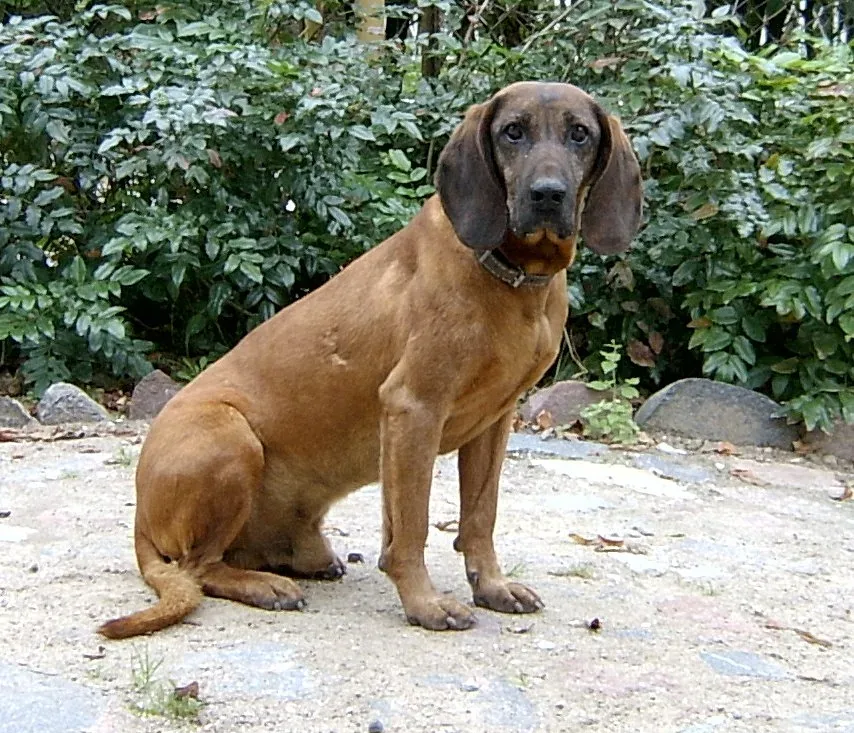
Bavarian Mountain Scent Hound
Bavarian Mountain Scent Hound cost is moderate relative to other working hounds, with $4,492 covering the puppy, initial vetting, and starter gear, though import costs can raise the purchase line outside German-speaking countries. Ongoing spend settles near $186, shaped by an active dog's food and injury-related vet needs. Across a working lifespan, budget roughly $29,099.
Acquisition, surgical desexing, initial vet series, and starter hardware.
Normalized baseline at ~$186/month routine cash burn.
Projected over a 12-year Bavarian Mountain Scent Hound lifespan.
$3,000 Liquid Reserve Mandate
Critical bufferBreed-average health profile for a robust working scenthound, with cost driven more by activity-related injury risk than by inherited disease.
Source: MetLife True Cost of Pet Emergencies 2025 (15% of owners hit $3,000+; uninsured surgery $3,000–8,000)
Biometric & phenotypic actuarial spec
Annual Cash Burn Matrix ($2,237/yr)
Continuous operational expenditure distributed across 5 core maintenance categories, indexed to metabolic demand and regional clinical rates.
Food
Vet Care
Grooming
Pet Insurance
Supplies & Toys
Upfront Entry CapEx
Purchase / Adoption Fee ($1,000), Initial Vet Visit & Vaccinations ($660), Starter Supplies ($475), Training Classes ($260), First Year Food ($610), First Year Vet Care ($660), First Year Grooming ($78), First Year Insurance ($749).
Comprehensive Lifecycle Ledger
Audited financial breakdown distinguishing immediate first-year fixed capitalization from ongoing annualized operating liabilities over the full 10–13 yrs canine lifespan.
| Expenditure Category | Year 01 Outlay | Annual Steady-State | Lifetime Total | Actuarial Sizing Methodology |
|---|---|---|---|---|
| Purchase / Adoption Fee | $1,000 | — | $1,000 | Varies by breeder vs rescue |
| Initial Vet Visit & Vaccinations | $660 | — | $660 | Spay/neuter, microchip, health check |
| Starter Supplies | $475 | — | $475 | Bed, crate, collar, bowls, toys |
| Training Classes | $260 | — | $260 | Basic obedience recommended |
| First Year Food | $610 | — | $610 | — |
| First Year Vet Care | $660 | — | $660 | — |
| First Year Grooming | $78 | — | $78 | — |
| First Year Insurance | $749 | — | $749 | — |
| Food | — | $610 | $7,320 | — |
| Vet Care | — | $660 | $7,920 | — |
| Grooming | — | $78 | $936 | — |
| Pet Insurance | — | $749 | $8,988 | — |
| Supplies & Toys | — | $140 | $1,680 | — |
| Gross Actuarial Expenditure | $4,492 | $2,237 / yr | $29,099 | Unadjusted baseline |
Actuarial Health Risk Profile (Tier 3)
Breed-average health profile for a robust working scenthound, with cost driven more by activity-related injury risk than by inherited disease.
Hip Dysplasia
A working scenthound frame is still prone to malformed hip joints, leading to arthritis and reduced tracking stamina with age.
Ear infections
Drop ears combined with dense fieldwork in brush and water raise the odds of recurring infection needing veterinary treatment.
Traumatic Injury
As an active working tracker used over rough mountain terrain, the breed faces higher odds of sprains, cuts, and orthopedic injury than a sedentary companion dog.
What Truly Drives the Bavarian Mountain Scent Hound’s Financial Profile
About the Bavarian Mountain Scent Hound and its cost
Bavarian Mountain Scent Hound cost reflects a specialized German tracking breed developed to follow wounded game over steep, difficult terrain, and its rarity outside Central Europe often means an import fee on top of the purchase price. The short coat needs minimal grooming, keeping that line item low, but the breed's intense drive to work means it is unsuited to a sedentary household and needs a job, whether tracking, scent work, or serious daily exercise. Reserved with strangers but deeply loyal to its handler, this is a breed bought for purpose rather than looks, and buyers typically work directly with specialist breeders rather than general kennels.
What drives Bavarian Mountain Scent Hound costs
Activity level is the biggest cost factor for this breed. As a working tracker covering rough mountain ground, it faces a higher chance of sprains, cuts, and orthopedic strain than a companion dog of similar size, and injury care can arrive unpredictably. Hip dysplasia remains a background risk common to active medium-large hounds, worth screening for before purchase. Drop ears combined with fieldwork in brush and water raise infection odds, adding a steady, lower-cost vet line. Its high caloric needs as a working dog also push food costs above what a similarly sized, lower-energy breed would need.
Bavarian Mountain Scent Hound first-year budget
The first year carries the heaviest costs. $1,000 secures the puppy from a specialist breeder, often with an import premium, then $660 covers vaccines, spay or neuter, and microchipping. $475 buys a crate, tracking-appropriate gear, and bedding, while $260 funds foundational obedience and early scent-work introduction for this driven breed. Recurring costs include $610 sized for a growing working hound, $660 for parasite prevention and hip screening, $78 for minimal short-coat upkeep, and $749 if enrolled early. One-time items total $2,395, recurring items $2,097, for a year total of $4,492.
Bavarian Mountain Scent Hound yearly cost after year one
Steady-state ownership runs near $2,237 a year, or about $186 a month. $610 stays elevated relative to a similarly sized companion breed because of this dog's working metabolism. $660 covers wellness exams, hip monitoring, and any fieldwork injury treatment. $78 remains minimal given the short coat. $749 is worth prioritizing given the injury risk from active tracking work, and $140 covers replacement working gear and enrichment for this high-energy hound.
Emergency fund for a Bavarian Mountain Scent Hound
Keep $3,000 set aside for this breed. The most realistic triggers are fieldwork injuries such as sprains, lacerations, or soft-tissue damage sustained over rough mountain terrain, followed by hip dysplasia treatment if joint problems emerge with age. A severe ear infection from repeated wet-terrain exposure is a smaller but plausible draw. Funding this reserve protects the $29,099 you have budgeted for an actively working dog.
Cutting Bavarian Mountain Scent Hound costs
Gradual conditioning before serious fieldwork begins is the strongest lever, since it reduces the soft-tissue and joint injuries that drive unpredictable vet bills. Cleaning ears after every outdoor session prevents a recurring, avoidable infection. Buying from a breeder who screens for hip dysplasia lowers the odds of costly joint problems later. Because this breed needs less grooming than many working hounds, that line item stays naturally low, helping keep $29,099 manageable for an active-lifestyle owner.
5 Prudent Ways to Cut Bavarian Mountain Scent Hound Costs
Buy from a specialist working-line breeder
Seek breeders who screen for hip dysplasia and health-test their working stock. A higher upfront price from a reputable source reduces the odds of costly orthopedic problems later in this breed's active life.
Give the breed a real job
Tracking, scent work, or structured exercise channel this hound's drive and reduce the anxiety-driven destructiveness that leads to vet visits and replaced property. An under-exercised dog of this breed is both unhappy and expensive.
Clean ears after fieldwork
Wipe ears after tracking sessions in brush or water to prevent the moisture buildup that leads to infection. This small habit avoids a recurring and preventable vet expense.
Insure before fieldwork begins in earnest
Because injury risk rises once the dog is actively working rough terrain, enroll in insurance while young and healthy so any accident, sprain, or hip issue is covered rather than excluded.
Condition the dog gradually for fieldwork
Build up stamina and joint strength slowly rather than plunging a young dog into full working conditions. Gradual conditioning reduces soft-tissue and orthopedic injuries that would otherwise require veterinary treatment.
Peer Class Financial Comparisons
How the Bavarian Mountain Scent Hound compares to morphological peers on annualized ownership cost.
Bavarian Mountain Scent Hound
Frequently Asked Financial Questions
How much does a Bavarian Mountain Scent Hound puppy cost?
How much does it cost to import a Bavarian Mountain Scent Hound?
What is the first-year cost of owning a Bavarian Mountain Scent Hound?
Are Bavarian Mountain Scent Hounds expensive to own?
How much do Bavarian Mountain Scent Hound vet bills cost?
How much does it cost to own a Bavarian Mountain Scent Hound per month?
Data sources
- Bavarian Mountain Scent Hound — Wikipedia (en.wikipedia.org)
- Hip Dysplasia — Orthopedic Foundation for Animals (ofa.org)
- Cutting Pet Care Costs — ASPCA (aspca.org)
Calculate Your Bavarian Mountain Scent Hound Cost Adjusted by Metro ZIP Code
Veterinary surgical tariffs and clinical room rates vary widely between metropolitan regions and rural counties. Recalculate this dossier with your exact state, city, and lifestyle parameters.