
How Much Does a Hanoverian Scenthound Cost Per Year?
Hanoverian Scenthound cost is moderate for a large hound, with $4,965 covering the puppy, initial vetting, and starter gear. Ongoing care settles near $210 once the vaccine series ends, driven mostly by food for a big dog while the short coat keeps grooming light. Budget $32,685 across a lifespan of a dozen years or so.
Executive cost summary
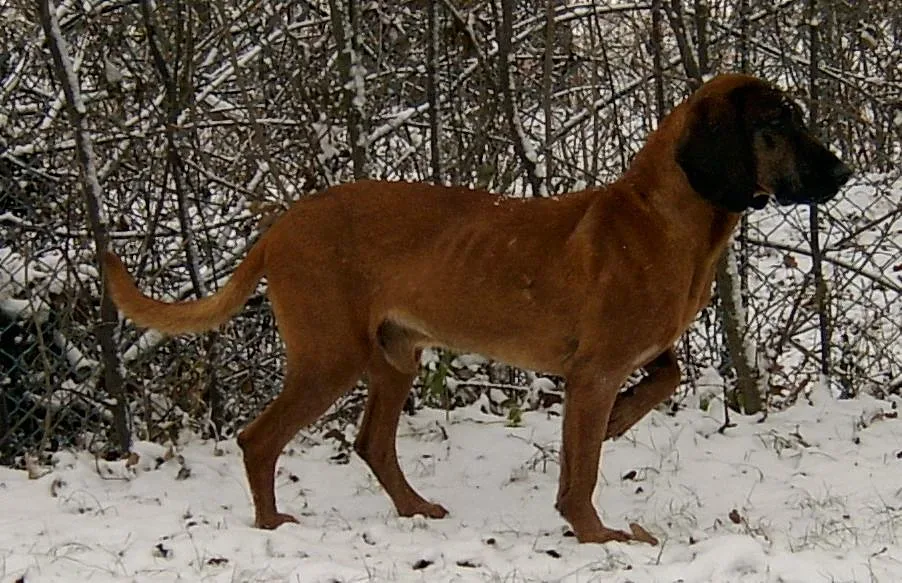
Hanoverian Scenthound
Hanoverian Scenthound cost is moderate for a large hound, with $4,965 covering the puppy, initial vetting, and starter gear. Ongoing care settles near $210 once the vaccine series ends, driven mostly by food for a big dog while the short coat keeps grooming light. Budget $32,685 across a lifespan of a dozen years or so.
Acquisition, surgical desexing, initial vet series, and starter hardware.
Normalized baseline at ~$210/month routine cash burn.
Projected over a 12-year Hanoverian Scenthound lifespan.
$4,000 Liquid Reserve Mandate
Critical bufferA deep chest makes bloat a real emergency-surgery risk and size adds joint wear, but the working-line breed has few other defining conditions and stays close to breed-average overall.
Source: MetLife True Cost of Pet Emergencies 2025 (15% of owners hit $3,000+; uninsured surgery $3,000–8,000)
Biometric & phenotypic actuarial spec
What a Hanoverian Scenthound costs, year by year
Cumulative spend across a 12-year life in today's dollars, with the same curve at 3% and 8% yearly inflation. Year 1 carries the acquisition and setup bill.
- Food & nutrition
- Vet & insurance
- Grooming & coat
- Setup & sundries
- - - - at 3% inflation: $38,209
- · · · at 8%: $50,267
Where the big bills land
Bars are routine one-off vet events (vaccine boosters, dental cleanings, bloodwork, spay/neuter). Diamonds are sourced condition treatments for this breed.
63rd percentile
55th percentile
Ranked against 265 other dog breeds in this directory.
View as a table
| Year | Spend | Cumulative | Routine vet events |
|---|---|---|---|
| 1 | $4,965 | $4,965 | $751 |
| 2 | $2,520 | $7,485 | $77 |
| 3 | $2,520 | $10,005 | $543 |
| 4 | $2,520 | $12,525 | $164 |
| 5 | $2,520 | $15,045 | $620 |
| 6 | $2,520 | $17,565 | $164 |
| 7 | $2,520 | $20,085 | $543 |
| 8 | $2,520 | $22,605 | $241 |
| 9 | $2,520 | $25,125 | $871 |
| 10 | $2,520 | $27,645 | $328 |
| 11 | $2,520 | $30,165 | $784 |
| 12 | $2,520 | $32,685 | $328 |
- Bloat (gastric dilatation-volvulus): about $4,750 once, from year 12 (MetLife Pet Insurance, Bloat in Dogs (metlifepetinsurance.com/blog/pet-health/bloat-in-dogs), 2026-09, medium confidence)
Annual Cash Burn Matrix ($2,520/yr)
Continuous operational expenditure distributed across 5 core maintenance categories, indexed to metabolic demand and regional clinical rates.
Food
Source: Derived: veterinary MER formula + mid-tier dry kibble price (2026-01)
Vet Care
Source: Modeled estimate, not a sourced figure. Category basis: ASPCA / AAHA routine wellness composite (annual exam, vaccines, parasite control) x size 1.06 x risk 1 (2026-01)
Grooming
Source: Modeled estimate, not a sourced figure. Category basis: Rover / PetSmart service menu, short-coat baseline (grooming rating 2) x coat 0.4 (2026-01)
Pet Insurance
Source: Derived: NAPHIA State of the Industry 2025 (2024 data), accident & illness dog average x size 1.08 x risk 1 (2026-01)
Supplies & Toys
Source: Derived: Synchrony Pet Lifetime of Care 2025 (toy replacement $50–150/yr) plus routine consumables x size 1.15 (2026-01)
Upfront Entry CapEx
Purchase / Adoption Fee ($1,100), Initial Vet Visit & Vaccinations ($700), Starter Supplies ($546), Training Classes ($260), First Year Food ($772), First Year Vet Care ($700), First Year Grooming ($78), First Year Insurance ($809).
Comprehensive Lifecycle Ledger
Audited financial breakdown distinguishing immediate first-year fixed capitalization from ongoing annualized operating liabilities over the full 10–14 yrs canine lifespan.
| Expenditure Category | Year 01 Outlay | Annual Steady-State | Lifetime Total | Actuarial Sizing Methodology |
|---|---|---|---|---|
| Purchase / Adoption Fee | $1,100 | — | $1,100 | Varies by breeder vs rescue |
| Initial Vet Visit & Vaccinations | $700 | — | $700 | Spay/neuter, microchip, health check |
| Starter Supplies | $546 | — | $546 | Bed, crate, collar, bowls, toys |
| Training Classes | $260 | — | $260 | Basic obedience recommended |
| First Year Food | $772 | — | $772 | — |
| First Year Vet Care | $700 | — | $700 | — |
| First Year Grooming | $78 | — | $78 | — |
| First Year Insurance | $809 | — | $809 | — |
| Food | — | $772 | $9,264 | — |
| Vet Care | — | $700 | $8,400 | — |
| Grooming | — | $78 | $936 | — |
| Pet Insurance | — | $809 | $9,708 | — |
| Supplies & Toys | — | $161 | $1,932 | — |
| Gross Actuarial Expenditure | $4,965 | $2,520 / yr | $32,685 | Unadjusted baseline |
Actuarial Health Risk Profile (Tier 3)
A deep chest makes bloat a real emergency-surgery risk and size adds joint wear, but the working-line breed has few other defining conditions and stays close to breed-average overall.
Bloat (gastric dilatation-volvulus)
A deep-chested dog's stomach can fill with gas and twist, a surgical emergency that needs same-day treatment.
- Typical treatment cost (one-time)
- $2,000–$7,500
Typically appears at age 9–12
medium confidence · MetLife Pet Insurance, Bloat in Dogs, 2026-09
Hip Dysplasia
A loosely fitting hip joint that wears into arthritis, more common in larger dogs and managed with weight control, medication, or surgery.
- Typical treatment cost (one-time)
- $7,000–$9,000
medium confidence · Iowa State University Lloyd Veterinary Medical Center, Total Hip Replacement, 2026-09
Ear infections
Long, folded ear flaps trap moisture and debris, so outdoor scent-work dogs get repeat infections that need exams, cleaning, and medication.
- Typical treatment cost (one-time)
- $150–$390
low confidence · Hepper, How Much Does It Cost to Treat a Dog Ear Infection at the Vet, 2026-09
Costs are typical for the condition in general, not specific to the Hanoverian Scenthound. See the Hanoverian Scenthound cost timeline
What Truly Drives the Hanoverian Scenthound’s Financial Profile
About the Hanoverian Scenthound and its cost
The Hanoverian Scenthound is a rare German tracking hound bred to follow the trail of wounded game, and that heritage shapes what it costs. Because it is uncommon outside working hunting circles, the puppy price and adoption fee depend heavily on finding a breeder or rescue at all, and travel can add to the purchase. Once home, the dog is low maintenance on the coat side, since its short, dense hair needs little more than a weekly brush. Its real expenses are food for a large frame and the exercise and training a scent hound demands to stay settled indoors.
What drives Hanoverian Scenthound costs
Size and chest shape drive most of the bills. A deep-chested dog of this weight carries a real chance of bloat, where the stomach twists and needs emergency surgery, so that single event sets the upper end of the emergency budget. Hip dysplasia and later arthritis add imaging, joint supplements, and pain medication for some dogs, and long ear flaps invite infections after wet days afield. Large-dog dosing also makes parasite prevention, anesthesia, and medications costlier than for smaller breeds. On the other side of the ledger, grooming spend is minimal and the breed has no well-known chronic condition needing lifelong specialty care.
A blood-trail tracker with a bloat risk
The Hanoverian Scenthound, or Hannoverscher Schweisshund, is a large 55 to 90 pound tracker, and its deep chest raises bloat risk, a same-day surgical emergency. Outdoor scent work and folded ears lead to repeat ear infections, and hip dysplasia adds arthritis care. The estimate is $4,965 for year one and $32,685 over about 12 years.
Hanoverian Scenthound first-year budget
The first year is front-loaded. $1,100 secures the dog, which for a rare hound can include a breeder wait or shipping. Then $700 covers the vaccine series, spay or neuter, microchip, and early exams, and $546 buys a large crate, sturdy leash, harness, and bedding. $260 pays for puppy classes, valuable for a scent hound that follows its nose over commands. Recurring lines add $772 for large-breed puppy food, $700 for prevention, $78 for basic upkeep, and $809 if you enroll early. One-time items total $2,606, recurring items $2,359, and the year lands at $4,965.
Hanoverian Scenthound yearly cost after year one
After setup, the breed settles near $2,520 a year, or about $210 a month. $772 is the largest line because the dog is big and active. $700 covers the annual exam, vaccine boosters, parasite prevention, and dental care as the dog ages. $809 is the main fixed protection against a bloat or joint bill. $78 stays small, mostly nail trims and the occasional bath. $161 covers replacement bedding, tough chews, and tracking gear. An ear infection or surgery year sits on top of this baseline.
Emergency fund for a Hanoverian Scenthound
Keep $4,000 set aside for this breed. The realistic trigger is bloat: a twisted stomach needs decompression, emergency surgery, and hospitalization, and it often happens at night. Hip dysplasia is usually a slower expense, but advanced cases bring imaging, medication, and possible surgery, and an active tracking dog can also injure a leg or cut a paw in rough country. Funding this account early keeps a bad year from distorting the $32,685 you have planned for, and lets you pick a higher insurance deductible to trim the monthly premium.
Cutting Hanoverian Scenthound costs
The biggest controllable lever is food. Measured portions and a lean weight hold down the food line and protect the hips, keeping $2,520 steady. Second, prevention pays off: split meals and calm time after eating reduce the odds of a bloat emergency, and dry ears after wet outings avoid repeat clinic visits. Third, buying from a breeder who screens hips lowers joint risk. Grooming can stay entirely at home. Together these habits take a meaningful bite out of the $32,685 without cutting care quality, and the dog's steady pace means fewer impulse expenses than a high-strung breed.
5 Prudent Ways to Cut Hanoverian Scenthound Costs
Split meals and slow the eating
Feeding two or three smaller meals instead of one large one, and resting the dog before and after eating, lowers the odds of bloat. Slow-feeder bowls help a fast eater. Avoiding one emergency surgery is the biggest single saving for a deep-chested breed.
Ask for hip screening on both parents
Request hip evaluations through OFA or an equivalent registry before you commit to a puppy. Rare breeds sometimes skip testing, so ask directly. Screened parents cost more to buy from but reduce the chance of expensive joint work later.
Clean the ears after wet outings
A quick vet-approved ear rinse and a dry wipe after swimming, rain, or brush work keeps moisture from building into infections. It costs little and saves repeat exam visits. Check the flaps weekly for odor or redness.
Keep the dog lean
Excess weight speeds joint wear in a large hound, and measured portions are cheaper than arthritis medication. Adjust food to activity level, since a dog on a heavy tracking schedule needs more than a couch companion. Weigh at vet visits.
Insure early, or fund a reserve
Enroll while the dog is young so joint problems are not excluded as pre-existing, or open a dedicated savings account. Compare a higher deductible against your ability to cover a bloat surgery upfront. Either route beats paying a large emergency bill on a credit card.
Peer Class Financial Comparisons
How the Hanoverian Scenthound compares to morphological peers on annualized ownership cost.
Hanoverian Scenthound
Frequently Asked Financial Questions
How much does a hanoverian scenthound cost per month?
Is a hanoverian scenthound expensive to own?
What are the yearly costs of owning a hanoverian scenthound?
How much are hanoverian scenthound vet bills?
Do hanoverian scenthounds need pet insurance?
How much is a Hanoverian Scenthound puppy?
Does a Hanoverian Scenthound need professional grooming?
What is the Hanoverian Scenthound's German name?
Why do outdoor scent-work dogs get ear infections?
Data sources
- Hanoverian Scenthound — Wikipedia (en.wikipedia.org)
- Bloat in Dogs (Gastric Dilatation-Volvulus) — American Kennel Club (akc.org)
- Cutting Pet Care Costs — ASPCA (aspca.org)
Calculate Your Hanoverian Scenthound Cost Adjusted by Metro ZIP Code
Veterinary surgical tariffs and clinical room rates vary widely between metropolitan regions and rural counties. Recalculate this dossier with your exact state, city, and lifestyle parameters.