
Bloodhound Cost & Ownership Dossier
Bloodhound cost runs above average for a giant breed, with $6,340 covering the puppy, initial vetting, and the heavy-duty gear this large scenthound needs from the start. Ongoing spend settles near $291, driven by food volume, ear and skin care, and insurance priced for a breed with real bloat risk. Because the breed's lifespan runs shorter than most large dogs, costs concentrate into fewer years, landing around $30,784 in total.
Executive cost summary
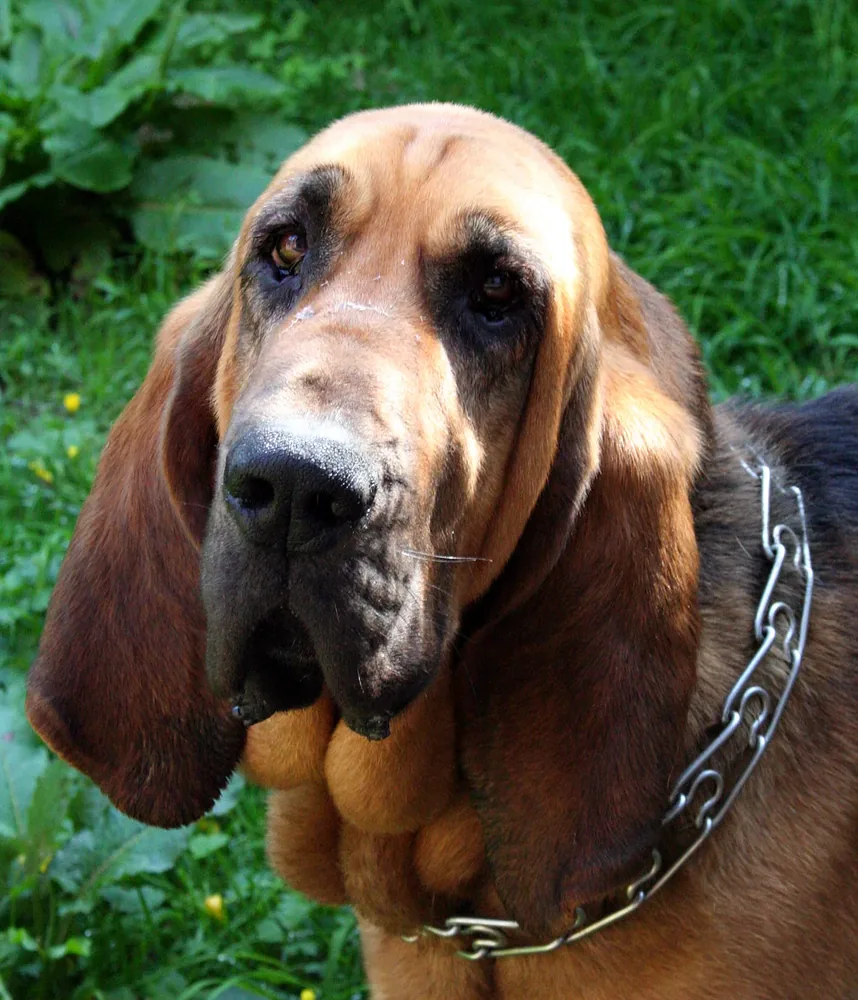
Bloodhound
Bloodhound cost runs above average for a giant breed, with $6,340 covering the puppy, initial vetting, and the heavy-duty gear this large scenthound needs from the start. Ongoing spend settles near $291, driven by food volume, ear and skin care, and insurance priced for a breed with real bloat risk. Because the breed's lifespan runs shorter than most large dogs, costs concentrate into fewer years, landing around $30,784 in total.
Acquisition, surgical desexing, initial vet series, and starter hardware.
Normalized baseline at ~$291/month routine cash burn.
Projected over a 8-year Bloodhound lifespan.
$5,000 Liquid Reserve Mandate
Critical bufferA shorter-than-average lifespan combines with severe bloat risk and recurring skin, ear, and joint issues to define this breed's cost profile.
Source: MetLife True Cost of Pet Emergencies 2025 (15% of owners hit $3,000+; uninsured surgery $3,000–8,000)
Biometric & phenotypic actuarial spec
Annual Cash Burn Matrix ($3,492/yr)
Continuous operational expenditure distributed across 5 core maintenance categories, indexed to metabolic demand and regional clinical rates.
Food
Vet Care
Grooming
Pet Insurance
Supplies & Toys
Upfront Entry CapEx
Purchase / Adoption Fee ($1,400), Initial Vet Visit & Vaccinations ($752), Starter Supplies ($618), Training Classes ($260), First Year Food ($840), First Year Vet Care ($918), First Year Grooming ($312), First Year Insurance ($1,240).
Comprehensive Lifecycle Ledger
Audited financial breakdown distinguishing immediate first-year fixed capitalization from ongoing annualized operating liabilities over the full 7–10 yrs canine lifespan.
| Expenditure Category | Year 01 Outlay | Annual Steady-State | Lifetime Total | Actuarial Sizing Methodology |
|---|---|---|---|---|
| Purchase / Adoption Fee | $1,400 | — | $1,400 | Varies by breeder vs rescue |
| Initial Vet Visit & Vaccinations | $752 | — | $752 | Spay/neuter, microchip, health check |
| Starter Supplies | $618 | — | $618 | Bed, crate, collar, bowls, toys |
| Training Classes | $260 | — | $260 | Basic obedience recommended |
| First Year Food | $840 | — | $840 | — |
| First Year Vet Care | $918 | — | $918 | — |
| First Year Grooming | $312 | — | $312 | — |
| First Year Insurance | $1,240 | — | $1,240 | — |
| Food | — | $840 | $6,720 | — |
| Vet Care | — | $918 | $7,344 | — |
| Grooming | — | $312 | $2,496 | — |
| Pet Insurance | — | $1,240 | $9,920 | — |
| Supplies & Toys | — | $182 | $1,456 | — |
| Gross Actuarial Expenditure | $6,340 | $3,492 / yr | $30,784 | Unadjusted baseline |
Actuarial Health Risk Profile (Tier 5)
A shorter-than-average lifespan combines with severe bloat risk and recurring skin, ear, and joint issues to define this breed's cost profile.
Gastric dilatation-volvulus (bloat)
A deep, narrow chest makes this one of the highest-risk breeds for a twisted stomach, a life-threatening emergency requiring immediate surgery.
Ectropion and Skin Fold Dermatitis
Loose facial skin and drooping eyelids trap moisture and debris, leading to recurring eye and skin infections that need ongoing care.
Ear infections
Exceptionally long, heavy ears block airflow almost constantly, making chronic infection close to routine rather than occasional.
Hip and elbow dysplasia
A heavy giant-breed frame stresses developing joints, making malformed hips or elbows a common source of lameness and arthritis.
What Truly Drives the Bloodhound’s Financial Profile
About the Bloodhound and its cost
The Bloodhound is an ancient scenthound bred for tracking, famous for its unmatched sense of smell, loose wrinkled skin, and deep, mournful voice. Bloodhound cost reflects the demands of that build: the short coat needs only weekly brushing, but the folds of skin around the face and neck require regular cleaning to prevent infection, keeping $312 higher than the coat alone would suggest. Feeding a dog this large means $840 runs well above what a medium breed requires, and the breed's shorter-than-average lifespan means its total costs land in a more compressed window.
What drives Bloodhound costs
Structure drives nearly everything about this breed's expense. A deep, narrow chest makes it one of the highest-risk breeds for bloat, an emergency that requires immediate surgery and intensive aftercare. Long, heavy ears and loose facial skin trap moisture, making chronic ear and skin infections a routine line in $918 rather than an exception. A large frame also strains developing hips and elbows, and that combination of severe acute risk plus recurring chronic care is why $1,240 and $3,492 run higher here than for most other hounds.
Bloodhound first-year budget
The first year begins with $1,400 for the puppy, then $752 for exams, core vaccines, and deworming scaled to a giant breed. $618 covers a heavy-duty crate, bed, and leash built for an adult well over eighty pounds, and early $260 helps manage a stubborn, scent-driven personality. Those one-time costs total $3,030. On the recurring side, rapid growth demands substantial $840, while $918 covers puppy visits and early skin and ear care, and $312 handles fold cleaning; add $1,240 early given the breed's risks. Together, $3,310 on top of setup brings year one to $6,340.
Bloodhound yearly cost after year one
After year one, $840 remains substantial given the breed's giant size, while $918 covers annual exams plus ongoing ear and skin fold care. $312 stays a real line even with a short coat, because of the cleaning the facial folds require, and $1,240 is worth carrying given the breed's bloat risk. $182 covers replacement gear for a large, strong dog. Altogether these add up to $3,492, or close to $291 on a monthly basis.
Emergency fund for a Bloodhound
A dedicated $5,000 matters more for this breed than for most, since bloat surgery is time-sensitive, expensive, and a real possibility given the breed's deep chest. A skin or ear infection left untreated can also progress into a more serious, costlier condition. Because the breed's lifespan runs shorter than average, planning the reserve alongside the $30,784 for its whole life means costs are anticipated within a tighter window rather than assumed to be spread over many years.
Cutting Bloodhound costs
Consistent at-home cleaning of ears and skin folds is the single biggest lever for lowering $3,492, since it prevents the infections that otherwise drive frequent vet visits. Buying giant-breed food in bulk and keeping the dog lean also reduce joint strain and its associated costs. Comparing insurance plans annually instead of accepting a default renewal helps hold down $291. Together these habits meaningfully lower the $30,784 without compromising the dog's care.
5 Prudent Ways to Cut Bloodhound Costs
Learn the signs of bloat cold
A distended abdomen, unproductive retching, and restlessness after eating are signs to treat as a true emergency. Fast action is the single biggest factor in survival and in avoiding the most expensive possible vet bill.
Clean skin folds and ears on a schedule
Weekly cleaning of facial folds and ears prevents the chronic infections this breed is prone to. Consistent prevention costs far less than treating an established infection.
Feed smaller, slower meals
Splitting food into two or more smaller meals and using a slow-feed bowl may reduce bloat risk. Avoid vigorous exercise right before or after eating as an added precaution.
Enroll in insurance as a puppy
Given the breed's bloat and joint risk, insurance is most valuable when started before any symptoms appear. Waiting until an issue surfaces usually means it is excluded as pre-existing.
Screen for hip and elbow quality
Ask breeders for OFA hip and elbow clearances on both parents. A dog from screened lines is less likely to need the costly orthopedic surgery this breed can eventually require.
Peer Class Financial Comparisons
How the Bloodhound compares to morphological peers on annualized ownership cost.
Bloodhound
Frequently Asked Financial Questions
How much does a Bloodhound cost?
How much does a Bloodhound puppy cost from a reputable breeder?
How much does it cost to adopt a Bloodhound?
What are the annual ownership costs of a Bloodhound?
Why do Bloodhound prices vary so much?
How much does a Bloodhound cost per month?
Is a Bloodhound expensive to insure?
Data sources
- Bloodhound Breed Overview — American Kennel Club (akc.org)
- Bloodhound — Wikipedia (en.wikipedia.org)
- Bloat in Dogs (Gastric Dilatation and Volvulus) — VCA Animal Hospitals (vcahospitals.com)
Calculate Your Bloodhound Cost Adjusted by Metro ZIP Code
Veterinary surgical tariffs and clinical room rates vary widely between metropolitan regions and rural counties. Recalculate this dossier with your exact state, city, and lifestyle parameters.