
How Much Does an Otterhound Cost Per Year?
Otterhound cost is driven by size: a large, deep-chested hound eats a lot, needs regular coat care and carries emergency risk from bloat. Expect about $5,462 in year one and $3,017 a year after. Over a full life that comes to roughly $35,632.
Executive cost summary
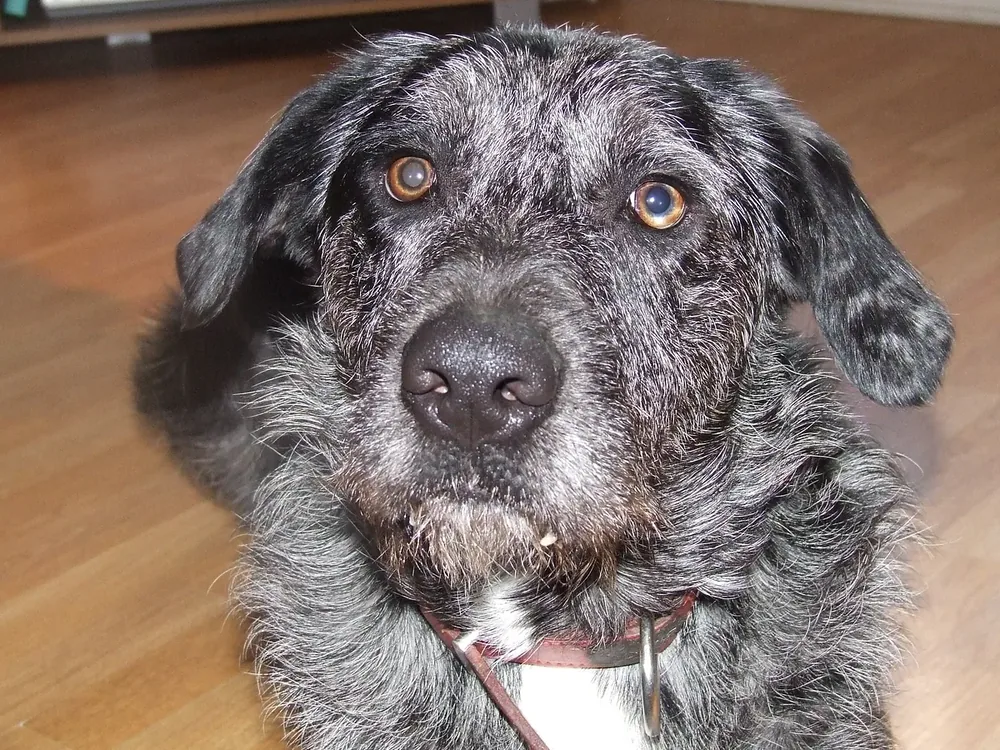
Otterhound
Otterhound cost is driven by size: a large, deep-chested hound eats a lot, needs regular coat care and carries emergency risk from bloat. Expect about $5,462 in year one and $3,017 a year after. Over a full life that comes to roughly $35,632.
Acquisition, surgical desexing, initial vet series, and starter hardware.
Normalized baseline at ~$251/month routine cash burn.
Projected over a 11-year Otterhound lifespan.
$4,000 Liquid Reserve Mandate
Critical bufferIts deep chest raises bloat risk and large-breed hip joints add orthopaedic cost, but nothing defines the breed as one expensive syndrome.
Source: MetLife True Cost of Pet Emergencies 2025 (15% of owners hit $3,000+; uninsured surgery $3,000–8,000)
Biometric & phenotypic actuarial spec
What a Otterhound costs, year by year
Cumulative spend across a 11-year life in today's dollars, with the same curve at 3% and 8% yearly inflation. Year 1 carries the acquisition and setup bill.
- Food & nutrition
- Vet & insurance
- Grooming & coat
- Setup & sundries
- - - - at 3% inflation: $41,086
- · · · at 8%: $52,664
Where the big bills land
Bars are routine one-off vet events (vaccine boosters, dental cleanings, bloodwork, spay/neuter). Diamonds are sourced condition treatments for this breed.
85th percentile
78th percentile
Ranked against 265 other dog breeds in this directory.
View as a table
| Year | Spend | Cumulative | Routine vet events |
|---|---|---|---|
| 1 | $5,462 | $5,462 | $751 |
| 2 | $3,017 | $8,479 | $77 |
| 3 | $3,017 | $11,496 | $543 |
| 4 | $3,017 | $14,513 | $164 |
| 5 | $3,017 | $17,530 | $620 |
| 6 | $3,017 | $20,547 | $164 |
| 7 | $3,017 | $23,564 | $543 |
| 8 | $3,017 | $26,581 | $405 |
| 9 | $3,017 | $29,598 | $707 |
| 10 | $3,017 | $32,615 | $328 |
| 11 | $3,017 | $35,632 | $784 |
- Hip Dysplasia: about $3,600 once, from year 2 (MetLife Pet Insurance, How Much Does Dog Hip Dysplasia Surgery Cost? (metlifepetinsurance.com/blog/pet-health/dog-hip-dysplasia-surgery-cost/), 2024-10, medium confidence)
- Ear infections: about $438 once, from year 4 (VetReceipt, Dog Ear Infection Treatment Cost (vetreceipt.com/costs/dog-ear-infection-treatment), 2026, low confidence)
- Bloat (gastric dilatation-volvulus): about $4,750 once, from year 11 (MetLife Pet Insurance, Bloat in Dogs: What Pet Parents Need to Know (metlifepetinsurance.com/blog/pet-health/bloat-in-dogs/), 2026-08, medium confidence)
Annual Cash Burn Matrix ($3,017/yr)
Continuous operational expenditure distributed across 5 core maintenance categories, indexed to metabolic demand and regional clinical rates.
Food
Source: Derived: veterinary MER formula + mid-tier dry kibble price (2026-01)
Vet Care
Source: Modeled estimate, not a sourced figure. Category basis: ASPCA / AAHA routine wellness composite (annual exam, vaccines, parasite control) x size 1.06 x risk 1 (2026-01)
Grooming
Source: Modeled estimate, not a sourced figure. Category basis: Rover / PetSmart service menu, short-coat baseline (grooming rating 2) x coat 2.6 (2026-01)
Pet Insurance
Source: Derived: NAPHIA State of the Industry 2025 (2024 data), accident & illness dog average x size 1.08 x risk 1 (2026-01)
Supplies & Toys
Source: Derived: Synchrony Pet Lifetime of Care 2025 (toy replacement $50–150/yr) plus routine consumables x size 1.15 (2026-01)
Upfront Entry CapEx
Purchase / Adoption Fee ($1,100), Initial Vet Visit & Vaccinations ($700), Starter Supplies ($546), Training Classes ($260), First Year Food ($840), First Year Vet Care ($700), First Year Grooming ($507), First Year Insurance ($809).
Comprehensive Lifecycle Ledger
Audited financial breakdown distinguishing immediate first-year fixed capitalization from ongoing annualized operating liabilities over the full 10–12 yrs canine lifespan.
| Expenditure Category | Year 01 Outlay | Annual Steady-State | Lifetime Total | Actuarial Sizing Methodology |
|---|---|---|---|---|
| Purchase / Adoption Fee | $1,100 | — | $1,100 | Varies by breeder vs rescue |
| Initial Vet Visit & Vaccinations | $700 | — | $700 | Spay/neuter, microchip, health check |
| Starter Supplies | $546 | — | $546 | Bed, crate, collar, bowls, toys |
| Training Classes | $260 | — | $260 | Basic obedience recommended |
| First Year Food | $840 | — | $840 | — |
| First Year Vet Care | $700 | — | $700 | — |
| First Year Grooming | $507 | — | $507 | — |
| First Year Insurance | $809 | — | $809 | — |
| Food | — | $840 | $9,240 | — |
| Vet Care | — | $700 | $7,700 | — |
| Grooming | — | $507 | $5,577 | — |
| Pet Insurance | — | $809 | $8,899 | — |
| Supplies & Toys | — | $161 | $1,771 | — |
| Gross Actuarial Expenditure | $5,462 | $3,017 / yr | $35,632 | Unadjusted baseline |
Actuarial Health Risk Profile (Tier 3)
Its deep chest raises bloat risk and large-breed hip joints add orthopaedic cost, but nothing defines the breed as one expensive syndrome.
Hip Dysplasia
Loose hip joints wear into arthritis, which can need long-term pain care or surgery on a heavy dog.
- Typical treatment cost (one-time)
- $1,200–$6,000
Typically appears at age 0.5–1
medium confidence · MetLife Pet Insurance, How Much Does Dog Hip Dysplasia Surgery Cost?, 2024-10
Bloat (gastric dilatation-volvulus)
The stomach fills with gas and twists, an emergency that needs surgery and often intensive care in deep-chested dogs.
- Typical treatment cost (one-time)
- $2,000–$7,500
Typically appears at age 9–12
medium confidence · MetLife Pet Insurance, Bloat in Dogs: What Pet Parents Need to Know, 2026-08
Ear infections
Long, heavy, drooping ears trap moisture, and this water-loving breed gets repeat infections.
- Typical treatment cost (one-time)
- $200–$675
Typically appears at age 1–5
low confidence · VetReceipt, Dog Ear Infection Treatment Cost, 2026
Costs are typical for the condition in general, not specific to the Otterhound. See the Otterhound cost timeline
What Truly Drives the Otterhound’s Financial Profile
About the Otterhound and its cost
Otterhound cost starts with acquisition. This is a rare scent hound, so waiting lists and travel can push $1,100 above what common breeds command. After that, the bill is set by a large frame, a thick, rough double coat and a strong appetite. Otterhounds were bred to swim and track for hours, so they need steady exercise and space, and they tend to be loud, curious and independent. Owners spend on sturdy fencing, training and a good deal of cleanup after wet, muddy walks. Those lifestyle needs are modest individually, but together they make this a mid-to-high cost large dog rather than a bargain one.
What drives Otterhound costs
Size is the first driver. Food, medication doses, anaesthesia and boarding all scale with body weight, so $840 and $700 run higher than for a small dog. The second driver is health: the deep chest makes bloat a genuine emergency risk, hip dysplasia can lead to arthritis care or surgery, and long drooping ears invite repeat infections. Some lines also carry an inherited platelet disorder that can complicate surgery and bleeding. The coat adds $507 for trimming, and ears need frequent cleaning. Buying from breeders who screen hips and discuss bleeding disorders reduces, but does not remove, these risks.
Water dog ears and a shaggy coat
The Otterhound is a 65 to 125 pound scent hound bred to hunt in water, and its long, heavy, drooping ears trap moisture, with infections costing $200 to $675 on this page's data. The rough, oily double coat needs brushing weekly and sheds into the house. Hip dysplasia ranges from $1,200 to $6,000, and bloat is a deep-chest emergency needing surgery and intensive care. The breed is rare, loud and sociable, so expect baying and a wait for a puppy. Annual cost is $3,017 and lifetime $35,632.
Otterhound first-year budget
The first year is the most expensive. One-time setup totals $2,606, including $1,100 for the dog, $700 for first vet visits and vaccines, $546 for crate, bed and gear, and $260 for classes, which an independent hound benefits from. Recurring first-year costs add $2,856, made up of $840 for a fast-growing large puppy, $700, $507 and $809. Together the first year comes to about $5,462. Spay or neuter timing is a good moment to raise a gastropexy with your vet.
Otterhound yearly cost after year one
Once setup is done, an adult Otterhound costs about $3,017 a year, or roughly $251 a month. The largest lines are $840 for a big appetite and $809, followed by $700 and $507 for the rough coat. Chews, toys and replacement gear add $161. Costs tend to rise as the dog ages and arthritis or ear problems appear, so budget a little above the steady-state figure in later years.
Emergency fund for an Otterhound
A reserve of about $4,000 is sensible for this breed. The main risk is bloat, where the stomach twists and needs emergency surgery and hospital stay within hours. Hip dysplasia can also lead to surgery, and inherited platelet problems can complicate any procedure. Insurance can cover much of this, but deductibles and reimbursement rates leave a share for you. Over a full life the total is about $35,632, and a funded reserve keeps a crisis from forcing a hard decision.
Cutting Otterhound costs
Savings come from prevention and routine. Screened breeding lines, a lean weight and a preventive gastropexy all reduce the chance of the largest bills. Brushing at home limits professional grooming, and buying food in bulk trims the biggest recurring line. Avoid cutting vet visits or insurance, since one bloat emergency can outweigh years of savings. Keeping annual spending near $3,017 rather than above it is realistic with these habits, and it holds monthly costs near $251. Over the dog's life it adds up to a meaningful difference in the $35,632 total.
5 Prudent Ways to Cut Otterhound Costs
Ask breeders for hip and platelet screening
Request hip scores for both parents and ask about bleeding disorders in the line. Paying more up front for screened parents can avoid years of orthopaedic bills.
Discuss a preventive gastropexy
A gastropexy tacks the stomach in place and is often done during spay or neuter surgery. It costs far less than emergency bloat surgery, so ask your vet about it early.
Insure while young and healthy
Enrol before any hip or ear problems are diagnosed, since those would become excluded pre-existing conditions. Compare deductibles and annual limits with a possible bloat emergency in mind.
Brush at home and dry the ears
Regular brushing keeps the rough coat from matting and cuts groomer visits. Drying and cleaning the ears after swims heads off infections that need repeat vet visits.
Feed measured meals to keep weight lean
Excess weight strains hips and raises food spend. Split daily food into two or three smaller meals, which also suits a deep-chested breed.
Peer Class Financial Comparisons
How the Otterhound compares to morphological peers on annualized ownership cost.
Otterhound
Frequently Asked Financial Questions
How much does a otterhound cost per month?
Is a otterhound expensive to own?
What are the yearly costs of owning a otterhound?
How much are otterhound vet bills?
Do otterhounds need pet insurance?
How much is an otterhound puppy?
How much does it cost to groom an otterhound?
Are Otterhounds rare?
Do Otterhounds bark a lot?
Data sources
- Otterhound Breed Overview — American Kennel Club (akc.org)
- Otterhound — Wikipedia (en.wikipedia.org)
- Bloat in Dogs (Gastric Dilatation and Volvulus) — VCA Animal Hospitals (vcahospitals.com)
Calculate Your Otterhound Cost Adjusted by Metro ZIP Code
Veterinary surgical tariffs and clinical room rates vary widely between metropolitan regions and rural counties. Recalculate this dossier with your exact state, city, and lifestyle parameters.