
How Much Does an Irish Wolfhound Cost Per Year?
Irish Wolfhound cost is driven by sheer size and a heavy health-risk profile, with $6,482 covering the puppy, initial vetting, and starter gear. Ongoing care settles near $303, much of it food, insurance, and cardiac or cancer screening for a breed that rarely passes eight. Budget $28,286 across a short but expensive life.
Executive cost summary
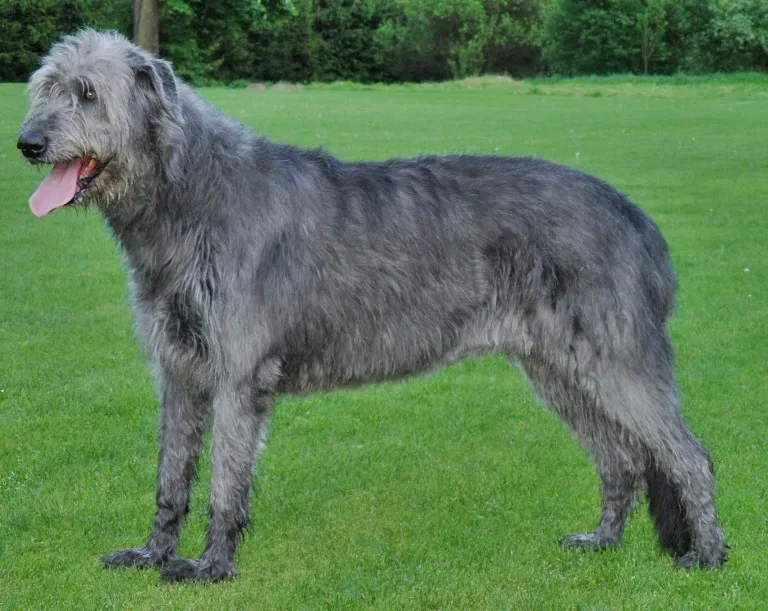
Irish Wolfhound
Irish Wolfhound cost is driven by sheer size and a heavy health-risk profile, with $6,482 covering the puppy, initial vetting, and starter gear. Ongoing care settles near $303, much of it food, insurance, and cardiac or cancer screening for a breed that rarely passes eight. Budget $28,286 across a short but expensive life.
Acquisition, surgical desexing, initial vet series, and starter hardware.
Normalized baseline at ~$303/month routine cash burn.
Projected over a 7-year Irish Wolfhound lifespan.
$5,000 Liquid Reserve Mandate
Critical bufferA giant frame stacks three tier-four predispositions, dilated cardiomyopathy, osteosarcoma, and bloat, each with expensive recurring or emergency care, on top of a lifespan of only about seven years.
Source: MetLife True Cost of Pet Emergencies 2025 (15% of owners hit $3,000+; uninsured surgery $3,000–8,000)
Biometric & phenotypic actuarial spec
What a Irish Wolfhound costs, year by year
Cumulative spend across a 7-year life in today's dollars, with the same curve at 3% and 8% yearly inflation. Year 1 carries the acquisition and setup bill.
- Food & nutrition
- Vet & insurance
- Grooming & coat
- Setup & sundries
- - - - at 3% inflation: $30,693
- · · · at 8%: $35,273
Where the big bills land
Bars are routine one-off vet events (vaccine boosters, dental cleanings, bloodwork, spay/neuter). Diamonds are sourced condition treatments for this breed.
99th percentile
19th percentile
Ranked against 265 other dog breeds in this directory.
View as a table
| Year | Spend | Cumulative | Routine vet events |
|---|---|---|---|
| 1 | $6,482 | $6,482 | $772 |
| 2 | $3,634 | $10,116 | $77 |
| 3 | $3,634 | $13,750 | $543 |
| 4 | $3,634 | $17,384 | $164 |
| 5 | $3,634 | $21,018 | $784 |
| 6 | $3,634 | $24,652 | $328 |
| 7 | $3,634 | $28,286 | $707 |
- Gastric dilatation-volvulus (bloat): about $4,750 once, from year 7 (MetLife Pet Insurance, Bloat in Dogs (metlifepetinsurance.com/blog/pet-health/bloat-in-dogs), 2026-09, medium confidence)
Annual Cash Burn Matrix ($3,634/yr)
Continuous operational expenditure distributed across 5 core maintenance categories, indexed to metabolic demand and regional clinical rates.
Food
Source: Derived: veterinary MER formula + mid-tier dry kibble price (2026-01)
Vet Care
Source: Modeled estimate, not a sourced figure. Category basis: ASPCA / AAHA routine wellness composite (annual exam, vaccines, parasite control) x size 1.14 x risk 1.22 (2026-01)
Grooming
Source: Modeled estimate, not a sourced figure. Category basis: Rover / PetSmart service menu, short-coat baseline (grooming rating 2) x coat 1.6 (2026-01)
Pet Insurance
Source: Derived: NAPHIA State of the Industry 2025 (2024 data), accident & illness dog average x size 1.2 x risk 1.38 (2026-01)
Supplies & Toys
Source: Derived: Synchrony Pet Lifetime of Care 2025 (toy replacement $50–150/yr) plus routine consumables x size 1.3 (2026-01)
Upfront Entry CapEx
Purchase / Adoption Fee ($1,400), Initial Vet Visit & Vaccinations ($752), Starter Supplies ($618), Training Classes ($260), First Year Food ($982), First Year Vet Care ($918), First Year Grooming ($312), First Year Insurance ($1,240).
Comprehensive Lifecycle Ledger
Audited financial breakdown distinguishing immediate first-year fixed capitalization from ongoing annualized operating liabilities over the full 6–8 yrs canine lifespan.
| Expenditure Category | Year 01 Outlay | Annual Steady-State | Lifetime Total | Actuarial Sizing Methodology |
|---|---|---|---|---|
| Purchase / Adoption Fee | $1,400 | — | $1,400 | Varies by breeder vs rescue |
| Initial Vet Visit & Vaccinations | $752 | — | $752 | Spay/neuter, microchip, health check |
| Starter Supplies | $618 | — | $618 | Bed, crate, collar, bowls, toys |
| Training Classes | $260 | — | $260 | Basic obedience recommended |
| First Year Food | $982 | — | $982 | — |
| First Year Vet Care | $918 | — | $918 | — |
| First Year Grooming | $312 | — | $312 | — |
| First Year Insurance | $1,240 | — | $1,240 | — |
| Food | — | $982 | $6,874 | — |
| Vet Care | — | $918 | $6,426 | — |
| Grooming | — | $312 | $2,184 | — |
| Pet Insurance | — | $1,240 | $8,680 | — |
| Supplies & Toys | — | $182 | $1,274 | — |
| Gross Actuarial Expenditure | $6,482 | $3,634 / yr | $28,286 | Unadjusted baseline |
Actuarial Health Risk Profile (Tier 5)
A giant frame stacks three tier-four predispositions, dilated cardiomyopathy, osteosarcoma, and bloat, each with expensive recurring or emergency care, on top of a lifespan of only about seven years.
Dilated Cardiomyopathy
The heart muscle thins and weakens, often with atrial fibrillation first; it needs lifelong cardiac drugs and repeat echocardiograms.
Osteosarcoma
An aggressive bone cancer that favors the limbs of giant, long-legged dogs; treatment usually means amputation followed by chemotherapy.
Typically appears around age 7
low confidence
Gastric dilatation-volvulus (bloat)
The deep-chested stomach fills with gas and can twist, an emergency that requires immediate surgery and often a preventive stomach tack.
- Typical treatment cost (one-time)
- $2,000–$7,500
Typically appears at age 9–12
medium confidence · MetLife Pet Insurance, Bloat in Dogs, 2026-09
Portosystemic Shunt
A congenital vessel bypasses the liver in some puppies, causing stunted growth and neurologic signs; surgical correction is expensive.
Costs are typical for the condition in general, not specific to the Irish Wolfhound. See the Irish Wolfhound cost timeline
What Truly Drives the Irish Wolfhound’s Financial Profile
About the Irish Wolfhound and its cost
Irish Wolfhound cost starts with the fact that this is the tallest of all dog breeds, a coursing hound bred to take down wolves and elk. The temperament is mild and quiet indoors, so behavior and training bills stay modest. The money goes elsewhere. Everything scales with a dog that can stand taller than a kitchen counter: crate and bed, food volume, medication doses, anesthesia, boarding, and even the car needed to carry it. The wiry coat sheds lightly and needs only periodic stripping. What defines the budget is the short lifespan, so spending is packed into a handful of years rather than spread across fifteen.
What drives Irish Wolfhound costs
Three conditions set the vet budget. Dilated cardiomyopathy is common in the breed and calls for echocardiograms and lifelong heart medication once found. Osteosarcoma strikes giant, long-boned dogs and typically means amputation and chemotherapy. Bloat, from a deep chest, is a surgical emergency that can hit any adult without warning. Portosystemic shunts add risk in puppies from unscreened lines. Size multiplies every bill, because anesthetics, drugs, and imaging are dosed or priced by weight. That is why insurance premiums run high and why many owners pair coverage with a dedicated reserve.
Seven years and a giant's bills
The Irish Wolfhound weighs 105 to 150 pounds and lives about 7 years. Annual cost is $3,634, so costs are concentrated into a short life. Dilated cardiomyopathy often starts as atrial fibrillation, and osteosarcoma strikes the long limbs of giant sighthounds. Bloat surgery is $2,000 to $7,500, and a portosystemic shunt can show up in puppies. With all that, the lifetime estimate is $28,286 and year one $6,482. Insurance bought at puppyhood is the usual hedge.
Irish Wolfhound first-year budget
The first year is front-loaded and inflated by size. $1,400 secures the puppy from a health-testing breeder, then $752 covers the vaccine series, spay or neuter, microchip, and early exams. $618 buys an oversized crate, a large orthopedic bed, raised bowls, and heavy-duty leashes, and $260 pays for puppy classes so a future hundred-plus-pound adult has manners. Recurring lines are heavy: $982 for fast-growing giant puppies, $918 for parasite prevention and rechecks, $312 for coat stripping, and $1,240 if you enroll early. One-time items total $3,030, recurring items $3,452, and the year lands at $6,482.
Irish Wolfhound yearly cost after year one
Once setup is done, the Irish Wolfhound settles near $3,634 a year, or about $303 a month. $982 is the most visible line, because giant dogs eat a lot and the diet matters for the heart and bones. $1,240 is the next fixed cost and the one most worth keeping. $918 covers an annual exam, heart checks as the dog ages, dental care, and bloodwork. $312 reflects occasional hand-stripping and nail work, and drops if you do it at home. $182 replaces oversized bedding and chews that a large dog wears through quickly.
Emergency fund for an Irish Wolfhound
Keep $5,000 set aside for this breed. The triggers are defined and expensive: bloat that twists the stomach and needs immediate surgery, a cardiac diagnosis that adds imaging and daily medication, and bone cancer that leads to amputation and chemotherapy. Because size raises the price of anesthesia, drugs, and hospital stays, a single event can consume a reserve sized for an average dog. Funding the account early also lets you accept a higher insurance deductible. Against the $28,286 you have planned for, the reserve is what keeps one bad night from becoming a financial crisis.
Cutting Irish Wolfhound costs
The largest controllable line is food, so buying in bulk and holding the dog at a lean weight pays off every month. Home grooming removes the giant-breed surcharge many salons add. Choosing a breeder who screens parents for heart disease and knows the line's bloat history lowers the odds of the events that dominate a bad year. A preventive gastropexy done with a spay or neuter costs a fraction of emergency surgery. Together with early insurance, these habits protect the $3,634 baseline and can trim a meaningful share off $28,286 without cutting care.
6 Prudent Ways to Cut Irish Wolfhound Costs
Insure before the first heart screening
Enroll the Irish Wolfhound while young so cardiac disease and later cancers are not excluded as pre-existing. Compare accident-and-illness plans with generous annual limits, since one amputation or bloat surgery can consume a small policy. A higher deductible cuts premiums if you also hold an emergency fund.
Ask for cardiac and shunt screening on both parents
Reputable breeders screen breeding stock with echocardiograms and know their lines' history of bloat and shunts. A higher purchase price from a screening breeder is cheaper than one cardiac diagnosis. Ask to see results rather than a verbal assurance.
Ask about a preventive gastropexy at spay or neuter
Tacking the stomach during another abdominal surgery is far cheaper than emergency bloat surgery. It does not stop gas buildup, but it stops the stomach from twisting. Talk it through with your vet before scheduling the procedure.
Buy food in bulk and feed measured portions
Food is one of the largest lines for a dog this size, so warehouse-size bags and automatic delivery discounts add up. Feeding two or three small meals rather than one large one lowers bloat risk. Keeping the dog lean also protects growing joints.
Strip and comb the coat at home
The rough coat needs only seasonal stripping and a regular comb-through, which is easy to learn from the breeder. Doing it yourself avoids the large-dog surcharge many groomers apply. Trim nails on a fixed schedule to prevent splayed toes.
Ask for a cardiac screen before the breed's mid-life risk window
Dilated cardiomyopathy is one of three defining risks in this breed, and an annual cardiac ultrasound starting around age 4-5 catches it while medication can still extend good years. Skipping screening means the first sign is often sudden collapse.
Peer Class Financial Comparisons
How the Irish Wolfhound compares to morphological peers on annualized ownership cost.
Irish Wolfhound
Frequently Asked Financial Questions
What is the monthly budget for an Irish Wolfhound?
Is an irish wolfhound expensive to own?
What are the yearly costs of owning an irish wolfhound?
How much are irish wolfhound vet bills?
Do irish wolfhounds need pet insurance?
How much is an Irish Wolfhound puppy?
How much does it cost to feed an Irish Wolfhound?
What is the lifetime cost of an Irish Wolfhound?
How much do Irish Wolfhound puppies cost, and why is the breed's lifespan so short?
Why do Irish Wolfhounds live so briefly?
Should Wolfhound owners get heart screening?
Related reading
Data sources
- Irish Wolfhound Dog Breed Information — American Kennel Club (akc.org)
- Irish Wolfhound — Wikipedia (en.wikipedia.org)
- Cutting Pet Care Costs — ASPCA (aspca.org)
Calculate Your Irish Wolfhound Cost Adjusted by Metro ZIP Code
Veterinary surgical tariffs and clinical room rates vary widely between metropolitan regions and rural counties. Recalculate this dossier with your exact state, city, and lifestyle parameters.