
Carolina Dog Cost & Ownership Dossier
Carolina dog cost tends to run below average for a medium breed because this landrace developed through natural selection in the wild, leaving it with few inherited health liabilities. Owners typically spend around $4,099 in the first year and settle into a lean $1,844 annually afterward. A modest $3,000 still matters, since even a hardy breed can face an unexpected injury or illness over a long life.
Executive cost summary
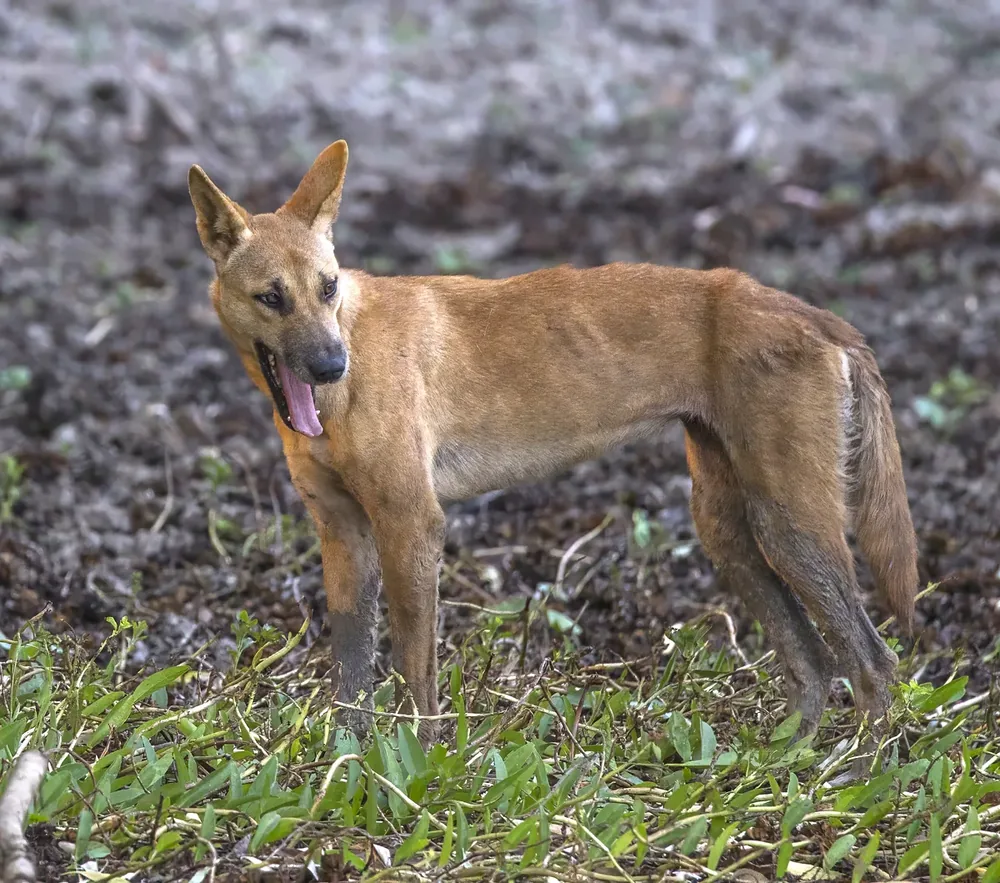
Carolina Dog
Carolina dog cost tends to run below average for a medium breed because this landrace developed through natural selection in the wild, leaving it with few inherited health liabilities. Owners typically spend around $4,099 in the first year and settle into a lean $1,844 annually afterward. A modest $3,000 still matters, since even a hardy breed can face an unexpected injury or illness over a long life.
Acquisition, surgical desexing, initial vet series, and starter hardware.
Normalized baseline at ~$154/month routine cash burn.
Projected over a 13-year Carolina Dog lifespan.
$3,000 Liquid Reserve Mandate
Critical bufferA naturally selected primitive breed with few inherited defects and generally low, incidental veterinary needs.
Source: MetLife True Cost of Pet Emergencies 2025 (15% of owners hit $3,000+; uninsured surgery $3,000–8,000)
Biometric & phenotypic actuarial spec
Annual Cash Burn Matrix ($1,844/yr)
Continuous operational expenditure distributed across 5 core maintenance categories, indexed to metabolic demand and regional clinical rates.
Food
Vet Care
Grooming
Pet Insurance
Supplies & Toys
Upfront Entry CapEx
Purchase / Adoption Fee ($1,000), Initial Vet Visit & Vaccinations ($660), Starter Supplies ($475), Training Classes ($260), First Year Food ($466), First Year Vet Care ($561), First Year Grooming ($78), First Year Insurance ($599).
Comprehensive Lifecycle Ledger
Audited financial breakdown distinguishing immediate first-year fixed capitalization from ongoing annualized operating liabilities over the full 12–15 yrs canine lifespan.
| Expenditure Category | Year 01 Outlay | Annual Steady-State | Lifetime Total | Actuarial Sizing Methodology |
|---|---|---|---|---|
| Purchase / Adoption Fee | $1,000 | — | $1,000 | Varies by breeder vs rescue |
| Initial Vet Visit & Vaccinations | $660 | — | $660 | Spay/neuter, microchip, health check |
| Starter Supplies | $475 | — | $475 | Bed, crate, collar, bowls, toys |
| Training Classes | $260 | — | $260 | Basic obedience recommended |
| First Year Food | $466 | — | $466 | — |
| First Year Vet Care | $561 | — | $561 | — |
| First Year Grooming | $78 | — | $78 | — |
| First Year Insurance | $599 | — | $599 | — |
| Food | — | $466 | $6,058 | — |
| Vet Care | — | $561 | $7,293 | — |
| Grooming | — | $78 | $1,014 | — |
| Pet Insurance | — | $599 | $7,787 | — |
| Supplies & Toys | — | $140 | $1,820 | — |
| Gross Actuarial Expenditure | $4,099 | $1,844 / yr | $26,227 | Unadjusted baseline |
Actuarial Health Risk Profile (Tier 1)
A naturally selected primitive breed with few inherited defects and generally low, incidental veterinary needs.
Hip Dysplasia
Abnormal hip joint development that can occur in medium, active dogs and occasionally requires surgery.
Allergic skin disease
Environmental or food allergies causing itching and secondary skin infections that need ongoing management.
Heartworm disease
A preventable parasitic infection more relevant for dogs with an outdoor, semi-feral ancestry and less consistent prevention history.
What Truly Drives the Carolina Dog’s Financial Profile
About the Carolina Dog and its cost
Carolina dog cost is shaped by the breed's unusual history as a landrace that survived largely on its own in the southeastern United States before being recognized as a distinct type. That background selected for hardiness over any particular look, so the breed carries fewer inherited defects than most purebreds and correspondingly lower baseline vet spending. The short, self-maintaining coat keeps grooming costs minimal, and the breed's medium size keeps food and medication doses moderate. Because dedicated breeders are rare, most owners adopt from a shelter or rescue, which lowers the upfront cost of acquiring the dog compared with buying a purebred puppy.
What drives Carolina Dog costs
With no single defining hereditary syndrome, carolina dog costs are driven mostly by generic medium-breed risk and by the dog's individual history before adoption. Hip dysplasia can occur as it can in most active medium breeds, and allergic skin disease is a common, ongoing management cost rather than a one-time event. Because many carolina dogs come from rescue backgrounds with uncertain preventive care histories, heartworm disease and other parasite-related costs can be a first-year concern that a dog from a consistent breeding program would not face. These factors keep $561 spending modest overall but explain why intake history matters as much as breed genetics for this dog.
Carolina Dog first-year budget
A carolina dog's first year typically starts with a modest $1,000 fee from a rescue or shelter rather than a breeder purchase, plus $660 for the exam, vaccine series, parasite screening, and spay or neuter, which can run slightly higher if the dog arrives with an unknown prevention history. $475 covers a crate, bed, and bowls appropriate for a medium dog, and $260 funds basic obedience work suited to this independent, alert temperament. These one-time costs form the $2,395. Recurring spending on $466, $561 follow-ups, and any $599 enrolled early makes up the $1,704, bringing most owners to roughly $4,099 for the year.
Carolina Dog yearly cost after year one
Once settled, a carolina dog's annual costs stabilize around $1,844, or close to $154 a month. $466 remains the largest steady line for this active, medium-sized breed, while $561 covers annual exams, vaccines, and consistent parasite prevention that matters given the breed's semi-feral ancestry. $78 stays minimal thanks to the low-maintenance short coat, and $140 replaces worn leashes and enrichment items for an energetic, independent-minded dog. Owners who carry $599 add a modest predictable premium against occasional hip or skin issues.
Emergency fund for a Carolina Dog
A carolina dog's emergency fund can be modest relative to higher-risk breeds, since the dog lacks a single defining expensive hereditary condition. Hip dysplasia is the main orthopedic risk that could require unplanned imaging or surgery, while allergic skin disease is more a recurring management cost than a single emergency. Heartworm disease, if missed before adoption, can require a more involved treatment protocol. Setting aside $3,000 still gives owners a sensible buffer for these scenarios, and given the breed's long lifespan, maintaining that reserve consistently supports a reasonable overall $26,227.
Cutting Carolina Dog costs
The clearest savings for this breed come from adopting rather than seeking a rare breeder, and from staying consistent with parasite prevention so a lapsed heartworm or flea regimen never turns into a larger treatment bill. Identifying and managing allergy triggers early avoids repeated skin-infection visits that can otherwise add up over the years. Because this breed's baseline health-liability profile is already favorable, these preventive habits do more to protect the $26,227 than any single discount, keeping $154 spending predictable and low.
5 Prudent Ways to Cut Carolina Dog Costs
Get a full parasite screen at adoption
Test for heartworm and intestinal parasites as soon as you adopt, since rescue dogs often have inconsistent prevention histories. Catching this early keeps $660 spending predictable instead of surprising.
Identify allergy triggers early
If skin itching or ear infections appear, work with a vet to identify food or environmental triggers quickly. Early management keeps ongoing $561 costs for allergic skin disease lower than treating repeated flare-ups.
Keep the dog at a lean weight
A lean body condition reduces joint stress and lowers the odds of hip dysplasia becoming symptomatic. This is one of the most cost-effective habits for a naturally hardy breed like this one.
Adopt rather than seek a breeder
Because dedicated breeders are rare, adopting from a rescue or shelter typically costs far less than the $1,000 of a purpose-bred puppy while still supporting a dog of this type.
Maintain year-round parasite prevention
Consistent monthly heartworm and flea prevention avoids the far larger $561 expense of treating an established infection, which is especially relevant for a breed with roots in less-managed environments.
Peer Class Financial Comparisons
How the Carolina Dog compares to morphological peers on annualized ownership cost.
Carolina Dog
Frequently Asked Financial Questions
How much does a carolina dog cost per month?
Is a carolina dog expensive to own?
What are the yearly costs of owning a carolina dog?
How much are carolina dog vet bills?
Do carolina dogs need pet insurance?
How much does a carolina dog cost to adopt?
What is the lifetime cost of owning a carolina dog?
Are carolina dogs cheap to groom?
Data sources
- Carolina Dog Breed Group — American Kennel Club (akc.org)
- Carolina Dog — Wikipedia (en.wikipedia.org)
- Heartworm Disease — AVMA (avma.org)
Calculate Your Carolina Dog Cost Adjusted by Metro ZIP Code
Veterinary surgical tariffs and clinical room rates vary widely between metropolitan regions and rural counties. Recalculate this dossier with your exact state, city, and lifestyle parameters.