
Devon Rex Cost & Ownership Dossier
Devon rex cost reflects an elfin, curly-coated cat that is inexpensive to feed but carries real ongoing veterinary needs tied to its skin and muscles. First-year spending typically runs about $2,044, easing to roughly $972 a year, or near $81 a month, once past kittenhood. Over a full lifetime, total ownership approaches $12,736.
Executive cost summary
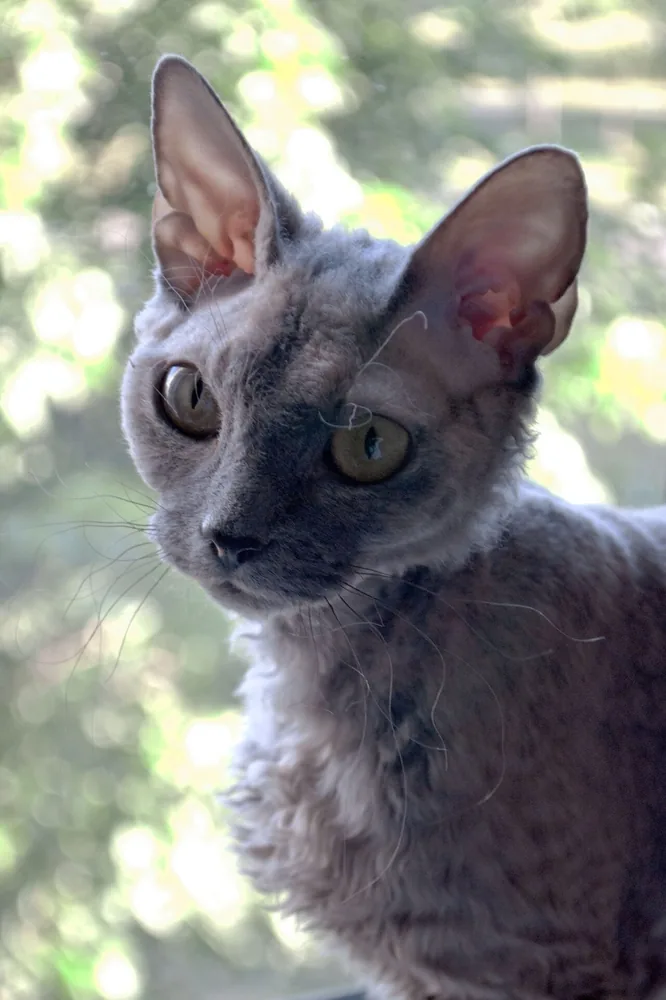
Devon Rex
Devon rex cost reflects an elfin, curly-coated cat that is inexpensive to feed but carries real ongoing veterinary needs tied to its skin and muscles. First-year spending typically runs about $2,044, easing to roughly $972 a year, or near $81 a month, once past kittenhood. Over a full lifetime, total ownership approaches $12,736.
Acquisition, surgical desexing, initial vet series, and starter hardware.
Normalized baseline at ~$81/month routine cash burn.
Projected over a 12-year Devon Rex lifespan.
$1,500 Liquid Reserve Mandate
Critical bufferA breed-specific inherited myopathy combined with chronic skin and ear yeast infections from the oil-trapping curly coat creates recurring diagnostic and treatment costs beyond an average shorthaired cat.
Source: MetLife True Cost of Pet Emergencies 2025 (15% of owners hit $3,000+; uninsured surgery $3,000–8,000)
Biometric & phenotypic actuarial spec
Annual Cash Burn Matrix ($972/yr)
Continuous operational expenditure distributed across 5 core maintenance categories, indexed to metabolic demand and regional clinical rates.
Food
Vet Care
Grooming
Pet Insurance
Supplies & Toys
Upfront Entry CapEx
Purchase / Adoption Fee ($600), Initial Vet Visit & Vaccinations ($276), Starter Supplies ($239), Litter & Behavior Basics ($40), First Year Food ($204), First Year Vet Care ($263), First Year Grooming ($60), First Year Insurance ($362).
Comprehensive Lifecycle Ledger
Audited financial breakdown distinguishing immediate first-year fixed capitalization from ongoing annualized operating liabilities over the full 9–14 yrs feline lifespan.
| Expenditure Category | Year 01 Outlay | Annual Steady-State | Lifetime Total | Actuarial Sizing Methodology |
|---|---|---|---|---|
| Purchase / Adoption Fee | $600 | — | $600 | Varies by breeder vs rescue |
| Initial Vet Visit & Vaccinations | $276 | — | $276 | Spay/neuter, microchip, health check |
| Starter Supplies | $239 | — | $239 | Litter box, scratching post, carrier, bowls |
| Litter & Behavior Basics | $40 | — | $40 | Litter box training, scratching post basics |
| First Year Food | $204 | — | $204 | — |
| First Year Vet Care | $263 | — | $263 | — |
| First Year Grooming | $60 | — | $60 | — |
| First Year Insurance | $362 | — | $362 | — |
| Food | — | $204 | $2,448 | — |
| Vet Care | — | $263 | $3,156 | — |
| Grooming | — | $60 | $720 | — |
| Pet Insurance | — | $362 | $4,344 | — |
| Supplies & Toys | — | $83 | $996 | — |
| Gross Actuarial Expenditure | $2,044 | $972 / yr | $12,736 | Unadjusted baseline |
Actuarial Health Risk Profile (Tier 4)
A breed-specific inherited myopathy combined with chronic skin and ear yeast infections from the oil-trapping curly coat creates recurring diagnostic and treatment costs beyond an average shorthaired cat.
Devon Rex myopathy
An inherited muscle weakness that can show up in kittens as an odd gait or collapse and needs a specialist workup to diagnose correctly.
Malassezia dermatitis
The curly coat traps skin oil without guard hairs to wick it away, leading to greasy skin, waxy ears, and recurring yeast infections.
Patellar Luxation
A slipping kneecap common enough in the breed that some cats need corrective surgery to walk normally.
What Truly Drives the Devon Rex’s Financial Profile
About the Devon Rex and its cost
Devon rex cost begins with one of the more distinctive-looking cats around: large ears, a pixie-like face, and a loose, wavy coat with few guard hairs. That thin coat sheds almost nothing but also traps skin oil, so regular wipe-downs are part of ownership from day one. Kittens come from a limited pool of breeders who screen for hereditary muscle weakness, which keeps $600 on the higher side. Add $276 for the first exam and vaccines and $239 for bedding, warm sleeping spots, and skin-care wipes. First-year spending totals near $2,044, weighted toward acquisition and setup.
What drives Devon Rex costs
The breed's two defining cost drivers are muscular and dermatological. Devon Rex myopathy is an inherited weakness that can appear in kittens and needs specialist diagnosis to distinguish from other conditions. Separately, the oily, thin coat predisposes many Devon Rex cats to malassezia dermatitis and waxy ear buildup, meaning more frequent skin and ear treatment than a coated breed needs. Patellar luxation adds a third, orthopedic layer of risk. Together these keep $263 and $362 above average, while $60 stays similar in cost to any short-coated cat, just redirected toward skin wipes instead of brushing.
Devon Rex first-year budget
One-time costs include $600 for the kitten, $276 for the first exam, vaccines, and spay or neuter, and $239 for bedding, warm sleeping spots, and skin-care wipes; $40 is rarely relevant for a cat. Together these total $1,155. Recurring first-year costs add $204, $263 for follow-up visits and any needed skin or ear treatment, $60 for wipe-downs, and $362, totaling $889. Combined, plan for $2,044 across the first year.
Devon Rex yearly cost after year one
Steady-state spending settles near $972 a year, roughly $81 a month. Food at $204 is modest for a small-bodied cat. Insurance at $362 runs a bit above average given the breed's skin, muscle, and knee risks. Routine veterinary care at $263 should include periodic ear and skin checks alongside the standard exam. Grooming at $60 covers wipes and cleaning solution rather than brushes, and $83 covers replacement bedding and warm accessories.
Emergency fund for a Devon Rex
Reserve $1,500 for this breed's two recurring risks: a myopathy flare needing specialist workup, and patellar luxation surgery if a knee slips badly enough to affect mobility. Chronic dermatitis rarely becomes a true emergency but can require sustained treatment costs over weeks. Because both major risks are hereditary rather than preventable by lifestyle, a funded reserve or an insurance plan with a manageable deductible is the most reliable protection, keeping either condition from eating into the $12,736 lifetime estimate all at once.
Cutting Devon Rex costs
Buying from a breeder who has already screened out myopathy and patellar problems is the biggest protection for the $12,736 lifetime total. Handling skin wipes and ear cleaning at home, rather than paying for veterinary dermatology visits after problems develop, keeps a recurring cost small. Insuring early locks in coverage for the breed's known risks before any exclusion applies, smoothing an unpredictable bill into $81. Keeping the cat's environment warm reduces stress-related flare-ups that would otherwise add vet visits.
5 Prudent Ways to Cut Devon Rex Costs
Screen for myopathy before buying
Ask whether the breeder's line has a history of Devon Rex myopathy and whether kittens are observed for gait abnormalities before sale. A kitten from a clear line avoids the costliest and hardest-to-treat condition in the breed.
Wipe the skin weekly
A weekly wipe-down with a gentle, vet-approved cloth removes the oil buildup that leads to malassezia dermatitis and greasy paws. This small habit is far cheaper than treating a chronic yeast infection that has taken hold.
Clean ears on a schedule
Devon Rex ears produce more wax than average, so a biweekly cleaning routine with a vet-recommended solution prevents the ear infections that otherwise send owners to the vet repeatedly. Catching redness or odor early keeps treatment simple.
Insure before any skin flare-up
Enroll a Devon Rex kitten in insurance as soon as it arrives home, since recurring dermatitis can become a pre-existing exclusion once diagnosed. A policy in place early keeps ongoing skin and ear treatment covered.
Keep the cat warm
The thin coat provides little insulation, so a heated bed or warm room in winter reduces stress that can aggravate skin issues. Warmth is a cheap substitute for the coat this breed does not have.
Peer Class Financial Comparisons
How the Devon Rex compares to morphological peers on annualized ownership cost.
Devon Rex
Frequently Asked Financial Questions
How much does a Devon Rex kitten cost?
Why are Devon Rex cats so expensive?
How much does it cost to own a Devon Rex per month?
Are Devon Rex cats hypoallergenic?
What health problems are Devon Rex cats prone to?
Do Devon Rex cats need special skin care?
Is Devon Rex pet insurance expensive?
Data sources
- Devon Rex — Wikipedia (en.wikipedia.org)
- Malassezia Dermatitis in Cats — VCA Animal Hospitals (vcahospitals.com)
- Patellar Luxation in Cats — VCA Animal Hospitals (vcahospitals.com)
Calculate Your Devon Rex Cost Adjusted by Metro ZIP Code
Veterinary surgical tariffs and clinical room rates vary widely between metropolitan regions and rural counties. Recalculate this dossier with your exact state, city, and lifestyle parameters.