
How Much Does a German Shepherd Dog Cost Per Year?
Understanding german shepherd cost means budgeting for a large, athletic working breed whose joints and spine need long-term attention. First-year spending typically runs about $5,278, settling to roughly $2,833 a year once the dog is grown, or close to $236 a month. Across a full lifespan, total ownership approaches $33,608.
Executive cost summary
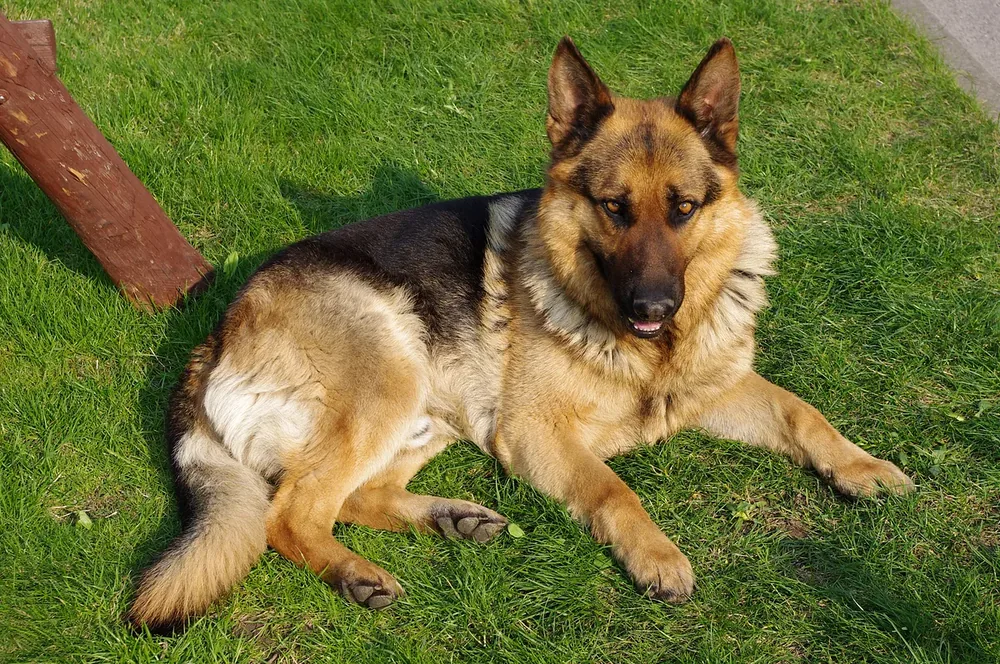
German Shepherd Dog
Understanding german shepherd cost means budgeting for a large, athletic working breed whose joints and spine need long-term attention. First-year spending typically runs about $5,278, settling to roughly $2,833 a year once the dog is grown, or close to $236 a month. Across a full lifespan, total ownership approaches $33,608.
Acquisition, surgical desexing, initial vet series, and starter hardware.
Normalized baseline at ~$236/month routine cash burn.
Projected over a 11-year German Shepherd Dog lifespan.
$4,000 Liquid Reserve Mandate
Critical bufferThe breed's large deep-chested build combines an elevated bloat risk with common orthopedic and degenerative spinal disease that drive recurring diagnostic and surgical cost.
Source: MetLife True Cost of Pet Emergencies 2025 (15% of owners hit $3,000+; uninsured surgery $3,000–8,000)
Biometric & phenotypic actuarial spec
What a German Shepherd Dog costs, year by year
Cumulative spend across a 11-year life in today's dollars, with the same curve at 3% and 8% yearly inflation. Year 1 carries the acquisition and setup bill.
- Food & nutrition
- Vet & insurance
- Grooming & coat
- Setup & sundries
- - - - at 3% inflation: $38,729
- · · · at 8%: $49,602
Where the big bills land
Bars are routine one-off vet events (vaccine boosters, dental cleanings, bloodwork, spay/neuter). Diamonds are sourced condition treatments for this breed.
79th percentile
62nd percentile
Ranked against 265 other dog breeds in this directory.
View as a table
| Year | Spend | Cumulative | Routine vet events |
|---|---|---|---|
| 1 | $5,278 | $5,278 | $751 |
| 2 | $2,833 | $8,111 | $77 |
| 3 | $2,833 | $10,944 | $543 |
| 4 | $2,833 | $13,777 | $164 |
| 5 | $2,833 | $16,610 | $620 |
| 6 | $2,833 | $19,443 | $164 |
| 7 | $2,833 | $22,276 | $543 |
| 8 | $2,833 | $25,109 | $405 |
| 9 | $2,833 | $27,942 | $707 |
| 10 | $2,833 | $30,775 | $328 |
| 11 | $2,833 | $33,608 | $784 |
- Gastric dilatation-volvulus (bloat): about $4,500 once, from year 11 (Trupanion, Commonly Claimed Conditions: German Shepherd (vet.trupanion.com/assets/pdf/commonly-claimed-conditions.pdf, form HF235-0619), 2019-06, medium confidence)
Annual Cash Burn Matrix ($2,833/yr)
Continuous operational expenditure distributed across 5 core maintenance categories, indexed to metabolic demand and regional clinical rates.
Food
Source: Derived: veterinary MER formula + mid-tier dry kibble price (2026-01)
Vet Care
Source: Modeled estimate, not a sourced figure. Category basis: ASPCA / AAHA routine wellness composite (annual exam, vaccines, parasite control) x size 1.06 x risk 1.1 (2026-01)
Grooming
Source: Modeled estimate, not a sourced figure. Category basis: Rover / PetSmart service menu, short-coat baseline (grooming rating 2) x coat 1 (2026-01)
Pet Insurance
Source: Derived: NAPHIA State of the Industry 2025 (2024 data), accident & illness dog average x size 1.08 x risk 1.18 (2026-01)
Supplies & Toys
Source: Derived: Synchrony Pet Lifetime of Care 2025 (toy replacement $50–150/yr) plus routine consumables x size 1.15 (2026-01)
Upfront Entry CapEx
Purchase / Adoption Fee ($1,100), Initial Vet Visit & Vaccinations ($700), Starter Supplies ($546), Training Classes ($260), First Year Food ($752), First Year Vet Care ($770), First Year Grooming ($195), First Year Insurance ($955).
Comprehensive Lifecycle Ledger
Audited financial breakdown distinguishing immediate first-year fixed capitalization from ongoing annualized operating liabilities over the full 9–13 yrs canine lifespan.
| Expenditure Category | Year 01 Outlay | Annual Steady-State | Lifetime Total | Actuarial Sizing Methodology |
|---|---|---|---|---|
| Purchase / Adoption Fee | $1,100 | — | $1,100 | Varies by breeder vs rescue |
| Initial Vet Visit & Vaccinations | $700 | — | $700 | Spay/neuter, microchip, health check |
| Starter Supplies | $546 | — | $546 | Bed, crate, collar, bowls, toys |
| Training Classes | $260 | — | $260 | Basic obedience recommended |
| First Year Food | $752 | — | $752 | — |
| First Year Vet Care | $770 | — | $770 | — |
| First Year Grooming | $195 | — | $195 | — |
| First Year Insurance | $955 | — | $955 | — |
| Food | — | $752 | $8,272 | — |
| Vet Care | — | $770 | $8,470 | — |
| Grooming | — | $195 | $2,145 | — |
| Pet Insurance | — | $955 | $10,505 | — |
| Supplies & Toys | — | $161 | $1,771 | — |
| Gross Actuarial Expenditure | $5,278 | $2,833 / yr | $33,608 | Unadjusted baseline |
Actuarial Health Risk Profile (Tier 4)
The breed's large deep-chested build combines an elevated bloat risk with common orthopedic and degenerative spinal disease that drive recurring diagnostic and surgical cost.
Hip and elbow dysplasia
Malformed joints common in the breed's large frame that cause lameness and often require lifelong pain management or surgery.
- Typical treatment cost (one-time)
- $7,000–$9,000
medium confidence · Iowa State University Lloyd Veterinary Medical Center, Total Hip Replacement, 2026-09
Degenerative myelopathy
A progressive spinal cord disease that gradually causes hind-limb weakness and paralysis, needing mobility support and physical therapy.
Typically appears around age 8
low confidence
Gastric dilatation-volvulus (bloat)
The deep chest lets a gas-filled stomach twist, a same-day surgical emergency that is frequently fatal without fast treatment.
- Typical treatment cost (one-time)
- $3,900–$5,100
Typically appears at age 9–12
medium confidence · Trupanion, Commonly Claimed Conditions: German Shepherd, 2019-06
Exocrine pancreatic insufficiency
A breed-associated failure of the pancreas to produce digestive enzymes, requiring lifelong enzyme supplementation and diet management.
Costs are typical for the condition in general, not specific to the German Shepherd Dog. See the German Shepherd Dog cost timeline
What Truly Drives the German Shepherd Dog’s Financial Profile
About the German Shepherd Dog and its cost
German shepherd dog cost starts with a versatile, athletic herding breed originally developed to guard and drive livestock, now common in homes, police work, and service roles. Expect a large, muscular dog with a dense double coat, a confident temperament, and a strong drive to work that needs daily structure. A shelter or rescue German Shepherd carries a modest adoption fee, while a health-tested breeder puppy, especially from working or show lines, costs considerably more. Budget $1,100 at acquisition and $700 for the first exam and vaccine series. Because this is a working breed, $260 for structured obedience pays off quickly. First-year spending lands near $5,278, weighted toward setup.
What drives German Shepherd costs
Size is the first multiplier behind german shepherd cost per month: a large-frame dog eats more and needs bigger medication doses and higher surgical fees than a mid-size breed. The bigger driver is the breed's joint and spinal health profile. Hip and elbow dysplasia can lead to lifelong pain management or orthopedic surgery, degenerative myelopathy brings mobility aids and therapy in later years, and the deep chest carries bloat risk that demands emergency surgery. Exocrine pancreatic insufficiency adds a lifelong prescription-enzyme expense for some dogs. These conditions push german shepherd vet bills and german shepherd insurance cost above the all-breed average, so plan recurring care around $770 and $955 more than $195.
Bloat, hips and the working-line question
Two emergencies define German Shepherd budgets. Bloat, where the deep chest lets the stomach fill with gas and twist, needs same-day surgery at $3,900 to $5,100 on this page's data and is frequently fatal without it. Hip and elbow dysplasia is the slower expense, at $7,000 to $9,000 per hip for a replacement. The breed also carries degenerative myelopathy and exocrine pancreatic insufficiency, the latter meaning lifelong enzyme powder with every meal. Working-line dogs are often bred for drive over conformation, while show lines tend to have a more sloped back, so ask for hip and elbow certificates on both parents whichever you choose.
German Shepherd Dog first-year budget
The first year splits into setup and recurring care. One-time lines are $1,100 for the dog, $700 for the initial exam, vaccine series, and spay or neuter, $546 for a large-size crate, bed, bowls, and leash, and $260 for a structured obedience course this working breed genuinely benefits from. Those sum to $2,606. First-year recurring costs add $752 for large-breed food, $770 for follow-up visits and parasite prevention, $195 for at-home coat care, and $955 for an accident-and-illness policy, totaling $2,672. Combined, plan for $5,278, weighted heavily toward setup rather than routine care in year one.
German Shepherd Dog yearly cost after year one
Once the dog is grown and set up, yearly spending steadies near $2,833, about $236 a month. Food is typically the biggest single line at $752, since a large, active breed eats more than owners expect on a quality diet. Insurance at $955 is the next largest and tends to rise with age. Routine veterinary care runs $770 for a wellness exam, bloodwork, and preventives, with joint and spinal monitoring added as the dog ages. Grooming stays modest at $195 despite heavy shedding, and $161 covers replacement bedding, durable chews, and enrichment toys. A chronic diagnosis shifts this baseline upward.
Emergency fund for a German Shepherd Dog
Keep $4,000 in a dedicated account from the day you bring the dog home. The breed's tier-driving risks arrive without warning and cost the most at once: gastric dilatation-volvulus needs surgery within hours, and hip or elbow dysplasia can require significant orthopedic repair. Degenerative myelopathy adds diagnostic imaging and ongoing mobility support as it progresses, and exocrine pancreatic insufficiency means a lasting prescription cost once diagnosed. Any single event can represent a large share of the $33,608 lifetime total in one year. A funded reserve, or an insurance plan whose deductible you can cover immediately, keeps a medical emergency from becoming a financial one.
Cutting German Shepherd Dog costs
The largest lifetime savings come from prevention, not discounts. Buying from hip- and elbow-tested parents lowers the odds of the costly orthopedic interventions that swell the $33,608 total. Keeping the dog lean and consistently exercised protects joints and slows degenerative disease while trimming the food bill, the single biggest recurring line. Enrolling in insurance before any diagnosis converts unpredictable surgery bills into a steady addition to $236. Handling routine coat care and basic obedience training yourself, then catching joint or digestive issues early at wellness visits, does more to hold the $2,833 baseline flat than chasing sales on food or supplies.
6 Prudent Ways to Cut German Shepherd Dog Costs
Buy from hip- and elbow-tested lines
Ask any breeder for OFA or PennHIP hip and elbow scores on both parents before committing. Dogs from screened lines are far less likely to need the orthopedic surgery that dominates breed claims. Paying more upfront for documented health testing usually costs less than one joint surgery later.
Insure before any diagnosis
Enroll your German Shepherd in an accident-and-illness plan while young and claim-free so hips, elbows, and spinal conditions are not later excluded as pre-existing. Choose a lifetime plan with a per-condition cap high enough to cover major surgery. Review the deductible annually instead of switching insurers.
Keep the dog lean and active
A visible waist and daily structured exercise reduce strain on dysplastic joints and slow degenerative disease progression. Measure meals rather than free-feeding to control weight across the dog's life. A leaner, well-conditioned dog needs fewer pain medications and later interventions.
Prevent bloat proactively
Feed two or three smaller meals instead of one large one, avoid vigorous exercise right after eating, and learn the signs of a distended, retching dog. Ask your vet about a preventive stomach tack during any planned abdominal surgery such as spay or neuter.
Handle routine grooming at home
Weekly brushing with an undercoat rake controls the breed's heavy year-round shedding without professional grooming visits. Redirect that savings toward the emergency fund or insurance premium. Reserve paid grooming for occasional deep coat blowouts.
Don't pay a large premium for a black or white coat
Both colors are standard genetic variations, not rare designer types, so a modest premium is reasonable but a steep one is not. Prioritize hip and elbow health testing over coat color when comparing breeders.
Peer Class Financial Comparisons
How the German Shepherd Dog compares to morphological peers on annualized ownership cost.
German Shepherd Dog
Frequently Asked Financial Questions
How much is a german shepherd?
What is the cost of a german shepherd puppy?
How much does a german shepherd cost per month?
Do black or white German Shepherds cost more?
How much does bloat surgery cost for a German Shepherd?
Is a German Shepherd cheaper than a Rottweiler?
Related reading
Data sources
- German Shepherd Dog — American Kennel Club (akc.org)
- Hip Dysplasia in Dogs — American College of Veterinary Surgeons (acvs.org)
- Degenerative Myelopathy — Merck Veterinary Manual (merckvetmanual.com)
- German Shepherd Dog — Wikipedia (en.wikipedia.org)
Calculate Your German Shepherd Dog Cost Adjusted by Metro ZIP Code
Veterinary surgical tariffs and clinical room rates vary widely between metropolitan regions and rural counties. Recalculate this dossier with your exact state, city, and lifestyle parameters.