
How Much Does a Giant Schnauzer Cost Per Year?
Giant Schnauzer cost starts with a working-line puppy price and climbs fast once grooming, food volume, and joint or thyroid care enter the picture. Most new owners land near $5,952 in year one, including $2,606 of setup and $3,346 of recurring care. After that, budget roughly $292 a month to keep this dog fed, groomed, and covered.
Executive cost summary
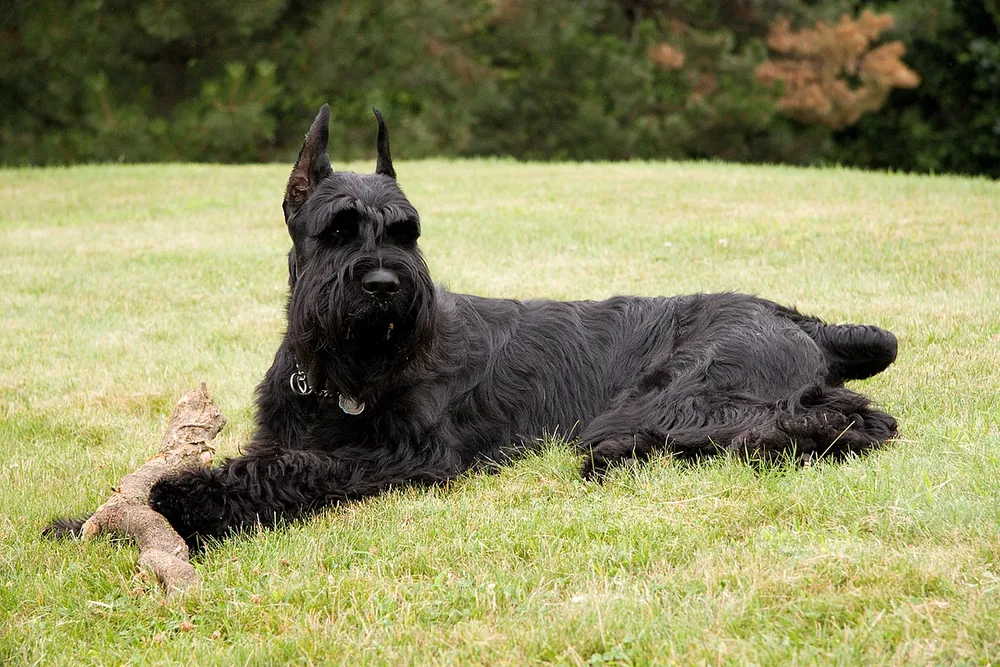
Giant Schnauzer
Giant Schnauzer cost starts with a working-line puppy price and climbs fast once grooming, food volume, and joint or thyroid care enter the picture. Most new owners land near $5,952 in year one, including $2,606 of setup and $3,346 of recurring care. After that, budget roughly $292 a month to keep this dog fed, groomed, and covered.
Acquisition, surgical desexing, initial vet series, and starter hardware.
Normalized baseline at ~$292/month routine cash burn.
Projected over a 11-year Giant Schnauzer lifespan.
$4,000 Liquid Reserve Mandate
Critical bufferLarge frame and deep chest combine orthopaedic, bloat, and autoimmune predispositions into recurring, sometimes surgical, veterinary cost.
Source: MetLife True Cost of Pet Emergencies 2025 (15% of owners hit $3,000+; uninsured surgery $3,000–8,000)
Biometric & phenotypic actuarial spec
What a Giant Schnauzer costs, year by year
Cumulative spend across a 11-year life in today's dollars, with the same curve at 3% and 8% yearly inflation. Year 1 carries the acquisition and setup bill.
- Food & nutrition
- Vet & insurance
- Grooming & coat
- Setup & sundries
- - - - at 3% inflation: $47,362
- · · · at 8%: $60,821
Where the big bills land
Bars are routine one-off vet events (vaccine boosters, dental cleanings, bloodwork, spay/neuter). Diamonds are sourced condition treatments for this breed.
98th percentile
97th percentile
Ranked against 265 other dog breeds in this directory.
View as a table
| Year | Spend | Cumulative | Routine vet events |
|---|---|---|---|
| 1 | $5,952 | $5,952 | $751 |
| 2 | $3,507 | $9,459 | $77 |
| 3 | $3,507 | $12,966 | $543 |
| 4 | $3,507 | $16,473 | $164 |
| 5 | $3,507 | $19,980 | $620 |
| 6 | $3,507 | $23,487 | $164 |
| 7 | $3,507 | $26,994 | $543 |
| 8 | $3,507 | $30,501 | $405 |
| 9 | $3,507 | $34,008 | $707 |
| 10 | $3,507 | $37,515 | $328 |
| 11 | $3,507 | $41,022 | $784 |
- Bloat (gastric dilatation-volvulus): about $4,750 once, from year 11 (MetLife Pet Insurance, Bloat in Dogs (metlifepetinsurance.com/blog/pet-health/bloat-in-dogs), 2026-09, medium confidence)
Annual Cash Burn Matrix ($3,507/yr)
Continuous operational expenditure distributed across 5 core maintenance categories, indexed to metabolic demand and regional clinical rates.
Food
Source: Derived: veterinary MER formula + mid-tier dry kibble price (2026-01)
Vet Care
Source: Modeled estimate, not a sourced figure. Category basis: ASPCA / AAHA routine wellness composite (annual exam, vaccines, parasite control) x size 1.06 x risk 1.1 (2026-01)
Grooming
Source: Modeled estimate, not a sourced figure. Category basis: Rover / PetSmart service menu, short-coat baseline (grooming rating 2) x coat 3.8 (2026-01)
Pet Insurance
Source: Derived: NAPHIA State of the Industry 2025 (2024 data), accident & illness dog average x size 1.08 x risk 1.18 (2026-01)
Supplies & Toys
Source: Derived: Synchrony Pet Lifetime of Care 2025 (toy replacement $50–150/yr) plus routine consumables x size 1.15 (2026-01)
Upfront Entry CapEx
Purchase / Adoption Fee ($1,100), Initial Vet Visit & Vaccinations ($700), Starter Supplies ($546), Training Classes ($260), First Year Food ($880), First Year Vet Care ($770), First Year Grooming ($741), First Year Insurance ($955).
Comprehensive Lifecycle Ledger
Audited financial breakdown distinguishing immediate first-year fixed capitalization from ongoing annualized operating liabilities over the full 10–12 yrs canine lifespan.
| Expenditure Category | Year 01 Outlay | Annual Steady-State | Lifetime Total | Actuarial Sizing Methodology |
|---|---|---|---|---|
| Purchase / Adoption Fee | $1,100 | — | $1,100 | Varies by breeder vs rescue |
| Initial Vet Visit & Vaccinations | $700 | — | $700 | Spay/neuter, microchip, health check |
| Starter Supplies | $546 | — | $546 | Bed, crate, collar, bowls, toys |
| Training Classes | $260 | — | $260 | Basic obedience recommended |
| First Year Food | $880 | — | $880 | — |
| First Year Vet Care | $770 | — | $770 | — |
| First Year Grooming | $741 | — | $741 | — |
| First Year Insurance | $955 | — | $955 | — |
| Food | — | $880 | $9,680 | — |
| Vet Care | — | $770 | $8,470 | — |
| Grooming | — | $741 | $8,151 | — |
| Pet Insurance | — | $955 | $10,505 | — |
| Supplies & Toys | — | $161 | $1,771 | — |
| Gross Actuarial Expenditure | $5,952 | $3,507 / yr | $41,022 | Unadjusted baseline |
Actuarial Health Risk Profile (Tier 4)
Large frame and deep chest combine orthopaedic, bloat, and autoimmune predispositions into recurring, sometimes surgical, veterinary cost.
Hip Dysplasia
A large, heavy-boned working dog, the Giant Schnauzer carries meaningful risk of hip joint malformation that can require lifelong management or surgery.
- Typical treatment cost (one-time)
- $7,000–$9,000
medium confidence · Iowa State University Lloyd Veterinary Medical Center, Total Hip Replacement, 2026-09
Bloat (gastric dilatation-volvulus)
The deep, narrow chest typical of this breed raises the odds of a stomach-twisting emergency that needs immediate surgery to survive.
- Typical treatment cost (one-time)
- $2,000–$7,500
Typically appears at age 9–12
medium confidence · MetLife Pet Insurance, Bloat in Dogs, 2026-09
Autoimmune conditions
Giant Schnauzers have a documented predisposition to autoimmune skin and thyroid disorders that need ongoing veterinary monitoring and medication.
Hypothyroidism
Underactive thyroid function shows up often enough in this breed that many owners budget for periodic bloodwork and daily medication.
Typically appears at age 4–10
medium confidence
Costs are typical for the condition in general, not specific to the Giant Schnauzer. See the Giant Schnauzer cost timeline
What Truly Drives the Giant Schnauzer’s Financial Profile
About the Giant Schnauzer and its cost
Giant Schnauzer cost reflects a genuinely large, high-drive working dog rather than a scaled-up Standard Schnauzer. Bred originally to drive cattle and guard breweries, this breed needs more food, more structured exercise, and more hands-on training than most large breeds, and every one of those needs shows up on a household budget. The wiry double coat looks low-shedding but is high-maintenance in a different way: it mats without regular brushing and requires hand-stripping or clipping that most owners outsource. Add a working temperament that punishes under-stimulation with destructive behavior, and the true cost of ownership includes training and enrichment, not just food and vet visits. Prospective owners researching this breed should treat grooming and activity needs as fixed costs, not optional upgrades.
What drives Giant Schnauzer costs
Three things push spending above a typical large-breed baseline: coat, size, and health predisposition. The wire coat needs professional stripping or clipping roughly every six to eight weeks, a recurring $741 line that never goes away. Sheer size drives up $880 costs and pushes $955 premiums higher than for a mid-size dog, since claims on large-breed joints and emergencies cost insurers more to cover. Layered on top, the breed's known hip dysplasia, bloat, and autoimmune risk means $770 spending is rarely flat year to year; a single bloat emergency or a hip diagnosis can rival a year of routine care in one event.
Thyroid and autoimmune problems in a working dog
The Giant Schnauzer is a 55 to 95 pound working dog with an annual cost of $3,507 over 11 years, a lifetime estimate of $41,022. The breed has a documented predisposition to autoimmune skin and thyroid disorders, so bloodwork is a repeating expense. Bloat costs $2,000 to $7,500 and hip dysplasia $7,000 to $9,000 per hip. The wiry coat needs clipping or hand-stripping every several weeks. These dogs need serious daily work, so training classes or sport are part of the budget.
Giant Schnauzer first-year budget
The first year combines a one-time setup cost with several months of recurring care. Expect $1,100 for the puppy itself, plus $700 for the initial vaccine series and vet exams, $546 for a crate, bed, and gear sized for a large adult dog, and $260 for a foundational obedience program this breed genuinely needs. That one-time setup total lands near $2,606. Layer on $3,346 of recurring spending across $880, early $741 visits as the coat matures, and $955 started while the puppy is still healthy. All together, most owners land near $5,952 for the full first year, front-loaded by the initial vet workup and gear purchases rather than spread evenly across the twelve months.
Giant Schnauzer yearly cost after year one
Once the one-time setup costs are behind you, annual ongoing spending settles into a steadier rhythm built from $880, $741, $770, $955, and $161 for replacement toys and gear. Grooming remains the standout recurring line for this breed, since the wire coat needs professional attention every six to eight weeks regardless of season. Total annual ongoing cost typically comes out near $3,507, which averages out to roughly $292 a month. That monthly figure is uneven in practice: grooming and annual wellness visits cluster spending into certain months rather than distributing it evenly, so owners who budget only for the monthly average sometimes get caught short around appointment time.
Emergency fund for a Giant Schnauzer
This breed's deep chest and orthopaedic predisposition make an emergency reserve more important than for an average large dog. Bloat surgery, a torn ligament, or a hip diagnosis can each require a significant single payment even with insurance in place, since deductibles and reimbursement delays still leave a gap. Keeping $4,000 set aside specifically for this breed reflects the realistic cost of one of those tier-driving events rather than routine care. Over a typical lifespan, factoring emergency risk into the full picture pushes lifetime cost estimates toward $41,022. Owners who skip a dedicated reserve and rely solely on monthly cash flow are the ones most likely to face a difficult financial decision at the exact moment their dog needs care fastest.
Cutting Giant Schnauzer costs
The biggest lever for lowering lifetime cost is prevention rather than discount-seeking. A health-tested puppy with clear hip and thyroid screening reduces the odds of costly chronic conditions that would otherwise erode any savings elsewhere. Insurance purchased early, before any symptoms appear, protects against the exact emergency and orthopaedic risks this breed carries, keeping $41,022 closer to the lower end of realistic outcomes. Weight management matters more here than in many breeds, since excess weight compounds joint strain in a dog already prone to hip issues. None of this eliminates $3,507 of yearly spending or brings $292 down to a trivial number, but consistent preventive care is what keeps a Giant Schnauzer's true cost from drifting toward the expensive end of its range.
6 Prudent Ways to Cut Giant Schnauzer Costs
Learn to maintain the coat between clips
Brush the wire coat weekly and learn basic hand-stripping technique to stretch the interval between professional grooming visits. This can meaningfully cut the recurring $741 line over the dog's life.
Insure while young and healthy
Enroll before any hip or thyroid symptoms appear, since pre-existing conditions are excluded from coverage. Locking in $955 early is cheaper than waiting until a claim is already needed.
Feed a portion-controlled, large-breed formula
Overfeeding a big, food-motivated breed adds unnecessary weight, which worsens joint stress and vet costs. A measured large-breed diet keeps $880 spending predictable and protects the joints this breed is already prone to strain.
Screen breeders for hip and thyroid testing
Choose a breeder who provides OFA hip and thyroid clearances on both parents. Paying more upfront for $1,100 on a health-tested puppy is usually cheaper than years of managing a preventable condition.
Invest in training early
A structured puppy and obedience program reduces the odds of costly destructive behavior or reactivity later. Budgeting for $260 now is far less expensive than replacing furniture or managing an under-socialized adult dog.
Don't pay extra for black or salt-and-pepper coloring
Both are standard recognized colors in this breed, not a premium variant, so a large price gap between the two should raise questions rather than justify the higher one. Put that money toward health testing or grooming budget instead.
Peer Class Financial Comparisons
How the Giant Schnauzer compares to morphological peers on annualized ownership cost.
Giant Schnauzer
Frequently Asked Financial Questions
How much does a Giant Schnauzer puppy cost from a breeder?
How much does it cost to adopt a Giant Schnauzer?
What is the monthly cost of owning a Giant Schnauzer?
Are Giant Schnauzers expensive to own?
How much does Giant Schnauzer grooming cost?
How much does a Giant Schnauzer cost per year?
How much should I budget for Giant Schnauzer vet bills?
What is the lifetime cost of owning a Giant Schnauzer?
Do black or salt-and-pepper Giant Schnauzers cost more?
Do Giant Schnauzers need professional grooming?
Are thyroid problems common in Giant Schnauzers?
Data sources
- Giant Schnauzer Breed Standard — American Kennel Club (akc.org)
- Section 3: Average Pet Insurance Premiums — NAPHIA (naphia.org)
- Giant Schnauzer — Wikipedia (en.wikipedia.org)
Calculate Your Giant Schnauzer Cost Adjusted by Metro ZIP Code
Veterinary surgical tariffs and clinical room rates vary widely between metropolitan regions and rural counties. Recalculate this dossier with your exact state, city, and lifestyle parameters.