
Harrier Cost & Ownership Dossier
Harrier cost is moderate for a mid-sized hound, with $4,766 covering the puppy or adoption, first vet visits, and the gear for a very active dog. After year one, ongoing care settles near $193, helped by a short coat that needs almost no grooming. Budget $27,976 across a lifespan of roughly a decade.
Executive cost summary
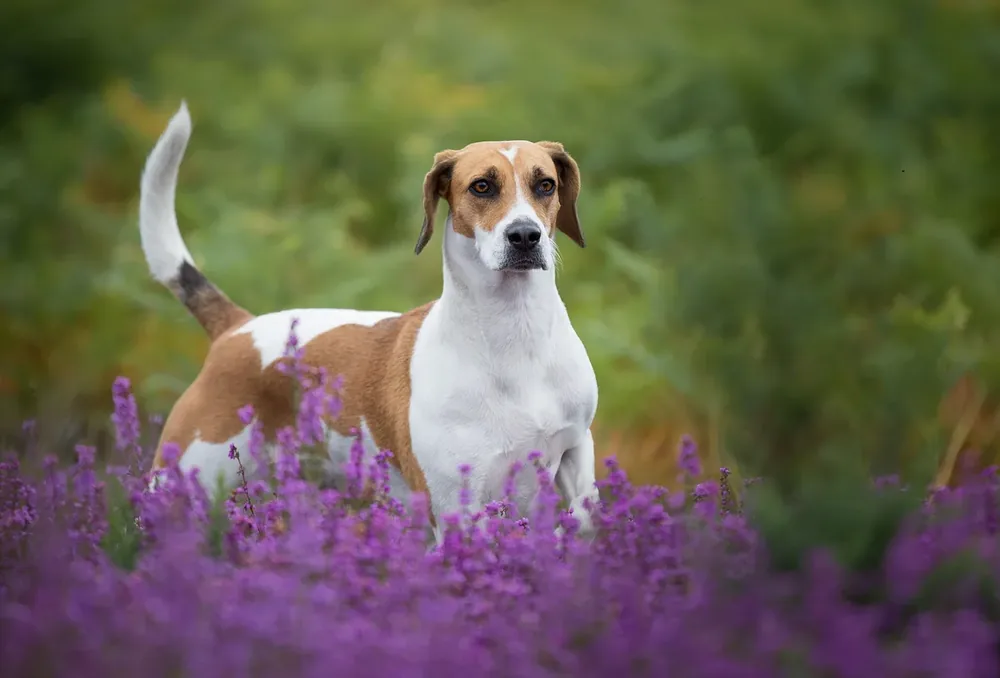
Harrier
Harrier cost is moderate for a mid-sized hound, with $4,766 covering the puppy or adoption, first vet visits, and the gear for a very active dog. After year one, ongoing care settles near $193, helped by a short coat that needs almost no grooming. Budget $27,976 across a lifespan of roughly a decade.
Acquisition, surgical desexing, initial vet series, and starter hardware.
Normalized baseline at ~$193/month routine cash burn.
Projected over a 11-year Harrier lifespan.
$4,000 Liquid Reserve Mandate
Critical bufferA working-pack hound bred for stamina and soundness has few defining expensive syndromes, so hip dysplasia and recurring ear infections keep vet spend modest and episodic rather than pushing the breed above average.
Source: MetLife True Cost of Pet Emergencies 2025 (15% of owners hit $3,000+; uninsured surgery $3,000–8,000)
Biometric & phenotypic actuarial spec
Annual Cash Burn Matrix ($2,321/yr)
Continuous operational expenditure distributed across 5 core maintenance categories, indexed to metabolic demand and regional clinical rates.
Food
Vet Care
Grooming
Pet Insurance
Supplies & Toys
Upfront Entry CapEx
Purchase / Adoption Fee ($1,100), Initial Vet Visit & Vaccinations ($700), Starter Supplies ($546), Training Classes ($260), First Year Food ($673), First Year Vet Care ($665), First Year Grooming ($78), First Year Insurance ($744).
Comprehensive Lifecycle Ledger
Audited financial breakdown distinguishing immediate first-year fixed capitalization from ongoing annualized operating liabilities over the full 10–12 yrs canine lifespan.
| Expenditure Category | Year 01 Outlay | Annual Steady-State | Lifetime Total | Actuarial Sizing Methodology |
|---|---|---|---|---|
| Purchase / Adoption Fee | $1,100 | — | $1,100 | Varies by breeder vs rescue |
| Initial Vet Visit & Vaccinations | $700 | — | $700 | Spay/neuter, microchip, health check |
| Starter Supplies | $546 | — | $546 | Bed, crate, collar, bowls, toys |
| Training Classes | $260 | — | $260 | Basic obedience recommended |
| First Year Food | $673 | — | $673 | — |
| First Year Vet Care | $665 | — | $665 | — |
| First Year Grooming | $78 | — | $78 | — |
| First Year Insurance | $744 | — | $744 | — |
| Food | — | $673 | $7,403 | — |
| Vet Care | — | $665 | $7,315 | — |
| Grooming | — | $78 | $858 | — |
| Pet Insurance | — | $744 | $8,184 | — |
| Supplies & Toys | — | $161 | $1,771 | — |
| Gross Actuarial Expenditure | $4,766 | $2,321 / yr | $27,976 | Unadjusted baseline |
Actuarial Health Risk Profile (Tier 2)
A working-pack hound bred for stamina and soundness has few defining expensive syndromes, so hip dysplasia and recurring ear infections keep vet spend modest and episodic rather than pushing the breed above average.
Hip Dysplasia
A loose, poorly fitted hip joint that wears into arthritis; on a lean, active hound it shows up as stiffness after hard runs and can need long-term pain management.
Ear infections
Heavy, folded ears trap moisture and wax, so hunting or swimming often leads to recurring outer-ear infections that need cleaning, drops, and rechecks.
Epilepsy
Idiopathic seizures are reported in the breed; once seizures start, lifelong anticonvulsant medication and periodic bloodwork become a standing expense.
What Truly Drives the Harrier’s Financial Profile
About the Harrier and its cost
Harrier cost starts with a rare, pack-bred English scent hound that looks like a small foxhound and was developed to hunt hare in company. Puppies are uncommon in North America, so a breeder placement usually comes with a waiting list, while rescue or rehomed adults are rarer still. The short, smooth coat keeps grooming almost negligible, which is a real saving next to fluffier breeds. What the Harrier asks for instead is time and space: it needs long daily exercise, secure fencing, and company, and skipping any of those tends to show up as chewing, escaping, and boarding bills.
What drives Harrier costs
Size and stamina set the baseline. A dog near sixty pounds eats steadily, and an animal that works hard burns through food, joint supplements, and chew toys faster than a couch-oriented breed. Health-wise the breed is sturdy, but hip dysplasia is the main orthopedic risk, and long, folded ears invite repeat infections after swimming or brush work. Reported epilepsy is uncommon but expensive when it appears, because medication is lifelong. A pack instinct also means many owners pay for a second dog or a sitter, and a strong nose means fencing and training are worth funding early. Together these keep the pet insurance premium moderate.
Harrier first-year budget
The first year is front-loaded. $1,100 secures the puppy from a health-testing breeder, then $700 covers the vaccine series, spay or neuter, microchip, and early exams. $546 buys a large crate, sturdy fencing accessories, leashes, and bedding, and $260 pays for puppy classes and scent-work or recall work for a nose-led hound. Recurring lines in year one stay moderate: $673 for an athletic dog, $665 for parasite prevention and rechecks, $78 for a basic kit and nail care, and $744 if you enroll early. One-time items total $2,606, recurring items $2,160, and the year lands at $4,766.
Harrier yearly cost after year one
Once setup is done, the Harrier settles into a predictable pattern near $2,321 a year, or about $193 a month. $673 is the biggest line because an active dog near sixty pounds eats steadily. $744 is the next fixed cost and the one most worth keeping. $665 covers an annual wellness exam, vaccines, parasite control, and the occasional ear infection visit. $78 is small, since a short coat needs brushing, nails, and ears. $161 for replacement chews, bedding, and leads rounds out the year. A joint flare or seizure diagnosis sits on top of this baseline.
Emergency fund for a Harrier
Keep $4,000 set aside for this breed. The realistic triggers are orthopedic and neurological: advanced hip dysplasia that needs imaging and surgery, or a first seizure that requires an emergency exam, bloodwork, and long-term medication. Hunting-style activity also raises the odds of lacerations, tick-borne illness, and swallowed foreign objects, any of which can clear a modest account. Funding this reserve early keeps a bad year from distorting the $27,976 you have planned for, and lets you choose a higher insurance deductible to lower monthly premiums.
Cutting Harrier costs
The largest controllable levers are food and prevention. Measured portions of a quality adult diet keep an athletic frame lean, protecting the hips and holding $2,321 steady. Regular ear cleaning heads off the repeat infections that inflate the vet line. Buying from a breeder who screens hips lowers the odds of the joint care that dominates a bad year. Grooming is already minimal, so savings come from home nail trims and bulk purchases. Together these habits can shave a meaningful fraction off the $27,976 without cutting care quality, and keep $193 predictable.
5 Prudent Ways to Cut Harrier Costs
Clean ears on a schedule
Wipe the ears with a vet-approved cleaner after swimming, baths, and muddy field days, and check for redness or odor weekly. Catching wax build-up early avoids the repeat exams and medicated drops that add up in a floppy-eared hound. It also keeps small problems from becoming chronic ones.
Ask for hip clearances
Choose a breeder who screens parents for hip dysplasia through OFA or an equivalent scheme. A screened line lowers the odds of a lifetime of joint care and imaging. Ask to see the paperwork rather than accepting a verbal promise.
Exercise the dog before you crate it
A tired Harrier is a calm one. Long daily walks or runs in a secure area cut destructive chewing and fence-jumping, which prevent expensive furniture repairs and emergency vet visits for swallowed objects. Free exercise is the cheapest behavioral insurance you have.
Buy food in bulk and feed by weight
Buying a quality adult formula in the larger bag and measuring portions keeps a lean, athletic dog at a steady weight. Extra pounds strain the hips and raise long-term vet bills. Check body condition monthly and adjust portions with the seasons and activity.
Insure while the dog is young
Enroll before any joint or neurological issue is noted so it stays covered later. A policy with a moderate deductible pairs well with a self-funded reserve. Compare exclusions for hereditary conditions before you sign.
Peer Class Financial Comparisons
How the Harrier compares to morphological peers on annualized ownership cost.
Harrier
Frequently Asked Financial Questions
How much does a harrier cost per month?
Is a harrier expensive to own?
What are the yearly costs of owning a harrier?
How much are harrier vet bills?
Do harriers need pet insurance?
How much is a harrier puppy?
Do harriers need professional grooming?
How much does a harrier cost over its lifetime?
Data sources
- Harrier Dog Breed Information — American Kennel Club (akc.org)
- Harrier (dog) — Wikipedia (en.wikipedia.org)
- Cutting Pet Care Costs — ASPCA (aspca.org)
Calculate Your Harrier Cost Adjusted by Metro ZIP Code
Veterinary surgical tariffs and clinical room rates vary widely between metropolitan regions and rural counties. Recalculate this dossier with your exact state, city, and lifestyle parameters.