
Highlander Cost & Ownership Dossier
Highlander cat cost is shaped first by size: this is one of the larger domestic breeds, so food and medication doses run above a standard shorthair from day one. First-year spending typically reaches $2,670, dropping to $1,116 a year, or about $93 a month, once fully grown. Lifetime ownership approaches $14,946.
Executive cost summary
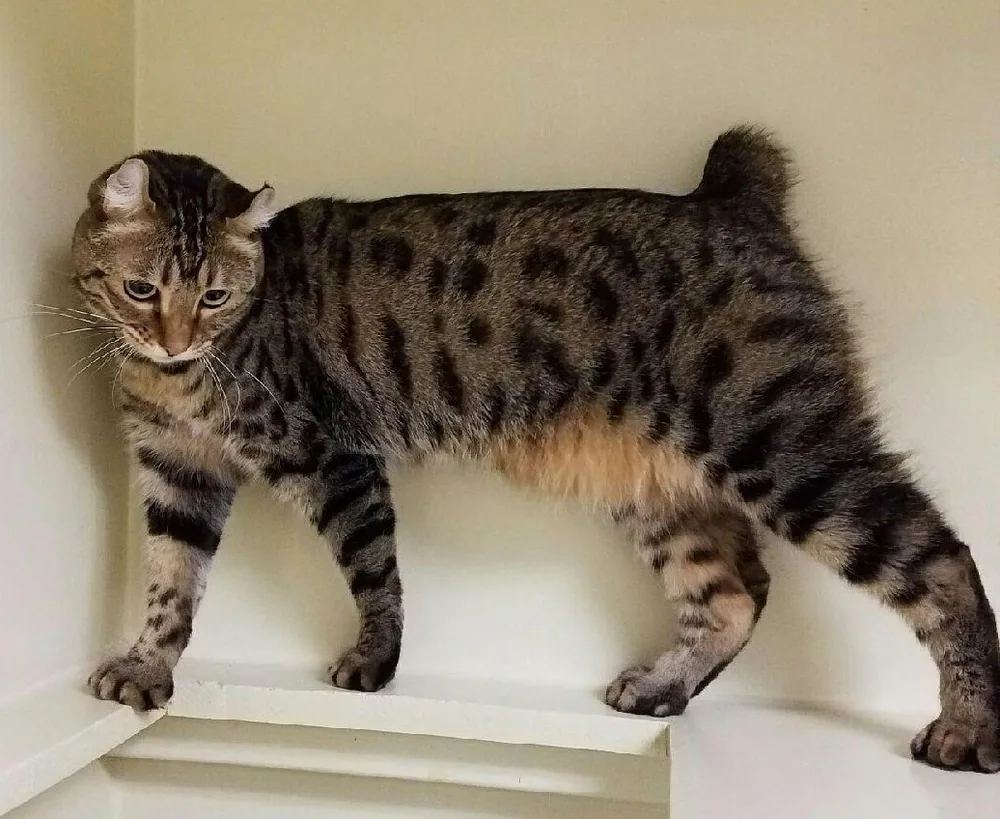
Highlander
Highlander cat cost is shaped first by size: this is one of the larger domestic breeds, so food and medication doses run above a standard shorthair from day one. First-year spending typically reaches $2,670, dropping to $1,116 a year, or about $93 a month, once fully grown. Lifetime ownership approaches $14,946.
Acquisition, surgical desexing, initial vet series, and starter hardware.
Normalized baseline at ~$93/month routine cash burn.
Projected over a 12-year Highlander lifespan.
$2,500 Liquid Reserve Mandate
Critical bufferA large, muscular hybrid breed whose weight and curled-ear structure create moderate orthopedic and ear-care costs without a single dominant syndrome.
Source: MetLife True Cost of Pet Emergencies 2025 (15% of owners hit $3,000+; uninsured surgery $3,000–8,000)
Biometric & phenotypic actuarial spec
Annual Cash Burn Matrix ($1,116/yr)
Continuous operational expenditure distributed across 5 core maintenance categories, indexed to metabolic demand and regional clinical rates.
Food
Vet Care
Grooming
Pet Insurance
Supplies & Toys
Upfront Entry CapEx
Purchase / Adoption Fee ($1,000), Initial Vet Visit & Vaccinations ($318), Starter Supplies ($299), Litter & Behavior Basics ($40), First Year Food ($309), First Year Vet Care ($276), First Year Grooming ($60), First Year Insurance ($368).
Comprehensive Lifecycle Ledger
Audited financial breakdown distinguishing immediate first-year fixed capitalization from ongoing annualized operating liabilities over the full 10–15 yrs feline lifespan.
| Expenditure Category | Year 01 Outlay | Annual Steady-State | Lifetime Total | Actuarial Sizing Methodology |
|---|---|---|---|---|
| Purchase / Adoption Fee | $1,000 | — | $1,000 | Varies by breeder vs rescue |
| Initial Vet Visit & Vaccinations | $318 | — | $318 | Spay/neuter, microchip, health check |
| Starter Supplies | $299 | — | $299 | Litter box, scratching post, carrier, bowls |
| Litter & Behavior Basics | $40 | — | $40 | Litter box training, scratching post basics |
| First Year Food | $309 | — | $309 | — |
| First Year Vet Care | $276 | — | $276 | — |
| First Year Grooming | $60 | — | $60 | — |
| First Year Insurance | $368 | — | $368 | — |
| Food | — | $309 | $3,708 | — |
| Vet Care | — | $276 | $3,312 | — |
| Grooming | — | $60 | $720 | — |
| Pet Insurance | — | $368 | $4,416 | — |
| Supplies & Toys | — | $103 | $1,236 | — |
| Gross Actuarial Expenditure | $2,670 | $1,116 / yr | $14,946 | Unadjusted baseline |
Actuarial Health Risk Profile (Tier 3)
A large, muscular hybrid breed whose weight and curled-ear structure create moderate orthopedic and ear-care costs without a single dominant syndrome.
Hip Dysplasia
A large-bodied, muscular build from Jungle Curl ancestry raises the odds of malformed hips that cause lameness as the cat ages.
Ear Canal Narrowing
The breed's distinctive curled ears can predispose to wax buildup and infection if not checked regularly.
Obesity-related joint strain
This large, food-motivated breed gains weight easily, which compounds joint stress on an already heavy frame.
What Truly Drives the Highlander’s Financial Profile
About the Highlander and its cost
Highlander cat cost starts higher than average because this bobtail, curled-ear breed is still relatively new and produced by a small number of dedicated hybrid breeders, so $1,000 sits above a common shorthair. The breed is large, athletic, and famously dog-like, often walking on a leash and greeting visitors at the door, so new owners should budget $299 for sturdy climbing structures and toys that match its energy. $318 covers the opening exam and vaccine series. Combined, first-year spending lands near $2,670, front-loaded by the breeder fee and gear built for a bigger, more active cat.
What drives Highlander costs
Size is the biggest recurring driver: a Highlander eats noticeably more than an average shorthair, which raises the $309 line every month of its life. The breed's muscular build also means a higher baseline risk of hip dysplasia, which can require imaging or, in severe cases, corrective surgery, while the curled ears need regular checks to prevent wax buildup and infection. Because Highlanders are prone to weight gain when overfed, obesity compounds joint strain and adds to $276 visits for weight management. $368 bought early is the best hedge against an orthopedic surprise in this large-framed breed.
Highlander first-year budget
One-time costs include $1,000 for a hybrid-breed kitten, $318 for the opening exam and vaccine series, $299 for a heavy-duty cat tree and scratching posts sized for a large cat, and $40 for leash and behavior basics this dog-like breed takes to well. These total $1,657. Recurring first-year costs add $309 sized for a large-breed appetite, $276 for kitten follow-ups, $60, and $368 enrolled early, for $1,013. Altogether, budget $2,670 for the first twelve months.
Highlander yearly cost after year one
Once mature, annual costs settle at $1,116, close to $93 a month. $309 is the largest line given this breed's size and appetite, and portion control matters to keep weight off already stressed joints. $276 covers an annual exam, weight checks, and periodic ear evaluation, while $368 guards against a hip dysplasia workup or surgery. $60 stays modest for the medium coat, and $103 replaces worn climbing gear and enrichment items for this active, dog-like cat.
Emergency fund for a Highlander
Set aside $2,500 to cover this breed's two realistic large expenses: hip dysplasia imaging or surgery in a heavy, muscular frame, and a severe ear infection from the curled-ear structure that goes untreated too long. Neither is guaranteed, but both are plausible enough in this breed that a dedicated reserve protects against an unplanned hit to the $14,946 lifetime total.
Cutting Highlander costs
The biggest lever is weight control: keeping this large, food-motivated breed lean reduces joint strain, cuts the food bill, and lowers the odds of a costly hip workup. Weekly ear checks catch wax buildup before it becomes an infection requiring medication. Insuring early converts a possible orthopedic surgery into predictable monthly premiums rather than a lump sum against the $14,946 total. Buying one durable cat tree instead of replacing cheap ones also protects the $93 budget over time.
5 Prudent Ways to Cut Highlander Costs
Feed a large-breed-calibrated portion, not a guess
Use a kitchen scale and your vet's calorie target rather than free-feeding. Highlanders are food-motivated and gain weight easily, and every extra pound adds joint strain that eventually shows up as a vet bill.
Check ears weekly, not just at the annual visit
The breed's curled ear shape traps wax more than a standard ear canal. A quick weekly look and gentle cleaning prevents the kind of infection that otherwise needs a prescription and a recheck.
Insure while the cat is still a lean, healthy kitten
Hip dysplasia and joint disease become pre-existing exclusions once diagnosed. Enroll a Highlander kitten in an accident-and-illness plan before any lameness is documented so future imaging or surgery is covered.
Invest in one sturdy cat tree instead of several cheap ones
This large, athletic breed will destroy flimsy furniture quickly. A single well-built climbing structure rated for a heavier cat costs more upfront but survives years of use, saving repeat purchases.
Keep this breed lean through structured play, not just diet
Highlanders have high energy and enjoy leash walks and interactive games. Regular activity burns calories without cutting food further, protecting joints while keeping the $309 budget reasonable.
Peer Class Financial Comparisons
How the Highlander compares to morphological peers on annualized ownership cost.
Highlander
Frequently Asked Financial Questions
How much does a Highlander cat cost?
Are Highlander cats rare and expensive?
What is the average price of a Highlander kitten?
How much does it cost to own a Highlander cat per month?
Do Highlander cats have health problems that cost money?
Is a Highlander cat expensive to insure?
How much exercise does a Highlander cat need?
Data sources
- Highlander cat — Wikipedia (en.wikipedia.org)
- Hip Dysplasia in Cats — VCA Animal Hospitals (vcahospitals.com)
- Obesity in Cats — American Veterinary Medical Association (avma.org)
Calculate Your Highlander Cost Adjusted by Metro ZIP Code
Veterinary surgical tariffs and clinical room rates vary widely between metropolitan regions and rural counties. Recalculate this dossier with your exact state, city, and lifestyle parameters.