
Korat Cost & Ownership Dossier
Korat cat cost benefits from remarkable longevity and a naturally sturdy build, though this ancient Thai breed's small founding gene pool means genetic testing matters at purchase. First-year spending typically reaches $1,869, settling to $797 a year, or about $66 a month. Because Korats commonly live well into their late teens, lifetime cost approaches $14,621.
Executive cost summary
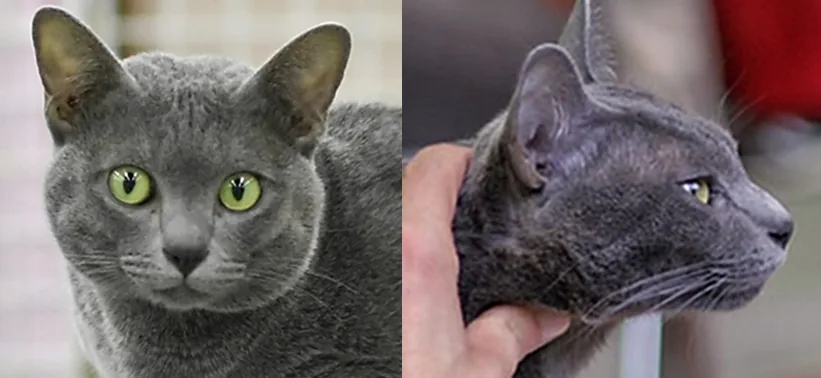
Korat
Korat cat cost benefits from remarkable longevity and a naturally sturdy build, though this ancient Thai breed's small founding gene pool means genetic testing matters at purchase. First-year spending typically reaches $1,869, settling to $797 a year, or about $66 a month. Because Korats commonly live well into their late teens, lifetime cost approaches $14,621.
Acquisition, surgical desexing, initial vet series, and starter hardware.
Normalized baseline at ~$66/month routine cash burn.
Projected over a 17-year Korat lifespan.
$1,500 Liquid Reserve Mandate
Critical bufferAn exceptionally long-lived, structurally sound breed whose one serious inherited risk is a rare fatal storage disease that responsible breeders now screen out entirely.
Source: MetLife True Cost of Pet Emergencies 2025 (15% of owners hit $3,000+; uninsured surgery $3,000–8,000)
Biometric & phenotypic actuarial spec
Annual Cash Burn Matrix ($797/yr)
Continuous operational expenditure distributed across 5 core maintenance categories, indexed to metabolic demand and regional clinical rates.
Food
Vet Care
Grooming
Pet Insurance
Supplies & Toys
Upfront Entry CapEx
Purchase / Adoption Fee ($600), Initial Vet Visit & Vaccinations ($276), Starter Supplies ($239), Litter & Behavior Basics ($40), First Year Food ($181), First Year Vet Care ($227), First Year Grooming ($24), First Year Insurance ($282).
Comprehensive Lifecycle Ledger
Audited financial breakdown distinguishing immediate first-year fixed capitalization from ongoing annualized operating liabilities over the full 15–20 yrs feline lifespan.
| Expenditure Category | Year 01 Outlay | Annual Steady-State | Lifetime Total | Actuarial Sizing Methodology |
|---|---|---|---|---|
| Purchase / Adoption Fee | $600 | — | $600 | Varies by breeder vs rescue |
| Initial Vet Visit & Vaccinations | $276 | — | $276 | Spay/neuter, microchip, health check |
| Starter Supplies | $239 | — | $239 | Litter box, scratching post, carrier, bowls |
| Litter & Behavior Basics | $40 | — | $40 | Litter box training, scratching post basics |
| First Year Food | $181 | — | $181 | — |
| First Year Vet Care | $227 | — | $227 | — |
| First Year Grooming | $24 | — | $24 | — |
| First Year Insurance | $282 | — | $282 | — |
| Food | — | $181 | $3,077 | — |
| Vet Care | — | $227 | $3,859 | — |
| Grooming | — | $24 | $408 | — |
| Pet Insurance | — | $282 | $4,794 | — |
| Supplies & Toys | — | $83 | $1,411 | — |
| Gross Actuarial Expenditure | $1,869 | $797 / yr | $14,621 | Unadjusted baseline |
Actuarial Health Risk Profile (Tier 2)
An exceptionally long-lived, structurally sound breed whose one serious inherited risk is a rare fatal storage disease that responsible breeders now screen out entirely.
GM1 and GM2 gangliosidosis
Rare inherited storage diseases documented in the breed's small founding population, fatal in kittens but avoidable through genetic testing of breeding stock.
Dental disease
Like many shorthairs the Korat can accumulate plaque without regular brushing, though the compact jaw is a minor factor.
What Truly Drives the Korat’s Financial Profile
About the Korat and its cost
Korat cat cost reflects the breed's status as one of the oldest natural cat breeds, documented in Thai manuscripts for centuries and traditionally given as a gift for good luck rather than sold commercially. That cultural legacy, combined with a relatively small population of dedicated breeders, keeps $600 above a typical shorthair. This is a quiet, observant cat that bonds intensely with its family but can be reserved with strangers, so early socialization matters. $276 should include a conversation about gangliosidosis carrier testing in the parent lines. First-year spending lands near $1,869.
What drives Korat costs
The Korat's small original gene pool from central Thailand carries a documented risk of GM1 and GM2 gangliosidosis, rare but fatal inherited storage diseases that affect kittens; responsible breeders now test for carrier status, which is why buying from a screened breeder matters more here than for most shorthairs. Beyond that, this is an exceptionally hardy, long-lived breed, so the dominant lifetime cost driver is simply accumulated years of routine $181 and $227 spending rather than any chronic condition. Dental care needs standard attention, and $282 is worth carrying mainly for accident coverage given the low disease burden.
Korat first-year budget
One-time costs include $600 for a kitten from a screened breeder, $276 for the opening exam, vaccines, and spay or neuter, $239 for a litter setup and toys, and $40 for socialization given this breed's reserved nature with strangers. These sum to $1,155. Recurring costs add $181, $227, $24, and $282, totaling $714. Total first-year spending reaches $1,869. Setting aside a modest cushion beyond these line items covers ordinary first-year surprises, from an unplanned dental check to a minor scrape picked up during normal kitten exploration.
Korat yearly cost after year one
Mature ownership settles at $797, about $66 a month. $181 and $227 form the bulk of routine spending, with dental checks part of the annual exam. $282 stays modest given the breed's low chronic disease burden once gangliosidosis is ruled out. $24 is minimal for the short, close-lying coat, and $83 covers replacement items for this intelligent, observant cat that enjoys mental stimulation.
Emergency fund for a Korat
Keep $1,500 available, primarily as a general safety net rather than against a specific known condition, since properly screened Korats carry little chronic disease risk. The fund matters most for accidents or age-related issues that can surface in the breed's unusually long lifespan, which stretches the $14,621 total across two decades of potential care. Cats are skilled at masking pain, so sudden lethargy, appetite loss, or vomiting deserves an urgent vet visit rather than a wait-and-see approach, since catching a problem early is almost always cheaper than treating it once it has progressed.
Cutting Korat costs
The single most effective saving is buying only from breeders who test for gangliosidosis carrier status, which removes this breed's one serious inherited risk before it can ever become a cost. Beyond that, this breed rewards simple consistency: steady food quality, routine dental care, and regular wellness exams sustained across a long lifespan do more for the $14,621 total than any one-time discount, and an accident-focused insurance plan keeps $66 spending predictable.
5 Prudent Ways to Cut Korat Costs
Buy only from breeders who test for gangliosidosis
Ask directly whether both parent cats have been tested and cleared for GM1 and GM2 gangliosidosis carrier status. This single question eliminates the breed's one serious and costly genetic risk.
Budget for a long-haul lifespan, not a short one
Korats often live fifteen to twenty years, longer than most breeds. Planning food and routine vet costs across two decades rather than a shorter horizon avoids underestimating the $14,621 total.
Socialize early to avoid stress-related costs
This breed can be wary of strangers and new environments if not exposed early. Gentle, consistent socialization during kittenhood reduces stress-related health issues and makes vet visits easier and cheaper.
Maintain a simple dental routine
Regular brushing or dental treats keep plaque manageable in this otherwise low-maintenance breed. Consistent home care reduces how often professional cleanings are needed over a long lifespan.
Insure primarily for accidents given the low disease risk
Because this breed carries little chronic disease burden once gangliosidosis is ruled out, an accident-focused or accident-and-illness plan at a modest premium offers good value across two decades of ownership.
Peer Class Financial Comparisons
How the Korat compares to morphological peers on annualized ownership cost.
Korat
Frequently Asked Financial Questions
How much does a Korat cat cost?
Are Korat cats rare and expensive?
What is the average price of a Korat kitten?
How much does it cost to own a Korat cat per month?
Do Korat cats have health problems that cost money?
Is a Korat cat expensive to insure?
How long do Korat cats live?
Data sources
- Korat — Wikipedia (en.wikipedia.org)
- Gangliosidosis in Cats — Merck Veterinary Manual (merckvetmanual.com)
- Dental Disease in Cats — American Veterinary Medical Association (avma.org)
Calculate Your Korat Cost Adjusted by Metro ZIP Code
Veterinary surgical tariffs and clinical room rates vary widely between metropolitan regions and rural counties. Recalculate this dossier with your exact state, city, and lifestyle parameters.