
How Much Does a Mountain Cur Cost Per Year?
Mountain cur cost is modest for a working hound-type dog: about $4,389 in the first year and $2,134 a year after that. Food and routine vet care make up most of it, and grooming is close to nothing.
Executive cost summary
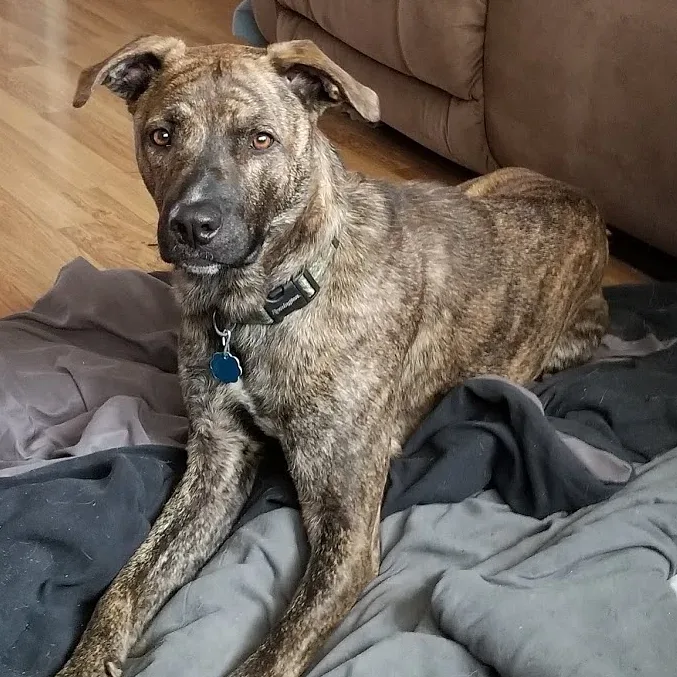
Mountain Cur
Mountain cur cost is modest for a working hound-type dog: about $4,389 in the first year and $2,134 a year after that. Food and routine vet care make up most of it, and grooming is close to nothing.
Acquisition, surgical desexing, initial vet series, and starter hardware.
Normalized baseline at ~$178/month routine cash burn.
Projected over a 14-year Mountain Cur lifespan.
$3,000 Liquid Reserve Mandate
Critical bufferA lean, working-bred medium dog with no defining expensive syndrome, whose main cost drivers are hip problems and ear infections from folded ears.
Source: MetLife True Cost of Pet Emergencies 2025 (15% of owners hit $3,000+; uninsured surgery $3,000–8,000)
Biometric & phenotypic actuarial spec
Annual Cash Burn Matrix ($2,134/yr)
Continuous operational expenditure distributed across 5 core maintenance categories, indexed to metabolic demand and regional clinical rates.
Food
Source: Derived: veterinary MER formula + mid-tier dry kibble price (2026-01)
Vet Care
Source: Derived: REPLACE — ASPCA / AAHA routine wellness composite (annual exam, vaccines, parasite control) x size 1 x risk 0.95 (2026-01)
Grooming
Source: Derived: REPLACE — Rover / PetSmart service menu, short-coat baseline (grooming rating 2) x coat 0.4 (2026-01)
Pet Insurance
Source: Derived: NAPHIA State of the Industry 2025 (2024 data), accident & illness dog average x size 1 x risk 0.92 (2026-01)
Supplies & Toys
Source: Derived: Synchrony Pet Lifetime of Care 2025 (toy replacement $50–150/yr) plus routine consumables x size 1 (2026-01)
Upfront Entry CapEx
Purchase / Adoption Fee ($1,000), Initial Vet Visit & Vaccinations ($660), Starter Supplies ($475), Training Classes ($260), First Year Food ($600), First Year Vet Care ($627), First Year Grooming ($78), First Year Insurance ($689).
Comprehensive Lifecycle Ledger
Audited financial breakdown distinguishing immediate first-year fixed capitalization from ongoing annualized operating liabilities over the full 12–16 yrs canine lifespan.
| Expenditure Category | Year 01 Outlay | Annual Steady-State | Lifetime Total | Actuarial Sizing Methodology |
|---|---|---|---|---|
| Purchase / Adoption Fee | $1,000 | — | $1,000 | Varies by breeder vs rescue |
| Initial Vet Visit & Vaccinations | $660 | — | $660 | Spay/neuter, microchip, health check |
| Starter Supplies | $475 | — | $475 | Bed, crate, collar, bowls, toys |
| Training Classes | $260 | — | $260 | Basic obedience recommended |
| First Year Food | $600 | — | $600 | — |
| First Year Vet Care | $627 | — | $627 | — |
| First Year Grooming | $78 | — | $78 | — |
| First Year Insurance | $689 | — | $689 | — |
| Food | — | $600 | $8,400 | — |
| Vet Care | — | $627 | $8,778 | — |
| Grooming | — | $78 | $1,092 | — |
| Pet Insurance | — | $689 | $9,646 | — |
| Supplies & Toys | — | $140 | $1,960 | — |
| Gross Actuarial Expenditure | $4,389 | $2,134 / yr | $32,131 | Unadjusted baseline |
Actuarial Health Risk Profile (Tier 2)
A lean, working-bred medium dog with no defining expensive syndrome, whose main cost drivers are hip problems and ear infections from folded ears.
Hip Dysplasia
A loose or malformed hip joint that wears into arthritis and can need surgery in severe cases.
- Typical treatment cost (one-time)
- $5,600–$6,000
medium confidence · MetLife Pet Insurance, Dog Hip Dysplasia Surgery Costs, 2024-10
Ear infections
Folded ears trap moisture and debris, so outer ear infections recur and need exams, cleaning and drops.
- Typical treatment cost (one-time)
- $100–$150
medium confidence · Pet Insurance Review, Dog Ear Infections, 2023-11
Costs are typical for the condition in general, not specific to the Mountain Cur. See the Mountain Cur cost timeline
What Truly Drives the Mountain Cur’s Financial Profile
About the Mountain Cur and its cost
The Mountain Cur is a Southern hunting and farm dog bred for treeing squirrels and guarding the homestead. Mountain cur cost starts with the puppy or adoption fee, which is usually far below a fashionable breed, and settles into food, vet care and insurance. The short coat needs only occasional brushing, so grooming spend stays low. Expect a compact, athletic dog that needs real daily work. That energy matters for cost: bored dogs chew, dig and escape, which adds replacement supplies and training. Most owners find the breed inexpensive to keep compared with heavily bred purebreds.
What drives Mountain Cur costs
Size is the first driver. A medium dog eats a moderate amount, and its food line grows with activity level because these dogs burn a lot of calories. Health is the second. Hip dysplasia is the main orthopaedic worry and can end in costly surgery when severe, while long folded ears invite repeat ear infections that add small but steady vet bills. Active hunting dogs also pick up cuts, tick exposure and sprains, so a routine budget for parasite prevention and injuries is sensible. Insurance is worth pricing early, while the dog is young and healthy.
Mountain Cur first-year budget
Year one is the most expensive. Setup covers the $1,000 purchase or adoption cost, $660 for first vet visits and vaccines, $475 for crate, leash and bowls, and $260 for classes. Recurring lines add $600 for food, $627 for vet care, $78 for grooming and $689 for insurance. Together that comes to $2,395 in setup plus $1,994 in recurring costs, for a first-year total of $4,389.
Mountain Cur yearly cost after year one
After the first year, one-time items drop away. Food at $600 and vet care at $627 lead the budget, followed by $689 for insurance and $140 for supplies and toys. Grooming stays small at $78. The steady-state total is $2,134 a year, or about $178 a month, which is the number to build into a household budget. Costs rise a little as the dog ages and needs more frequent checkups.
Emergency fund for a Mountain Cur
The reserve should reflect the conditions that can produce large bills. Hip dysplasia can lead to surgery that costs several thousand dollars, and active hunting dogs risk injuries that need urgent care. A fund of $3,000 covers most surprises. Over a full lifetime the estimate is $32,131, so a reserve or a solid insurance plan protects against the worst year.
Cutting Mountain Cur costs
Because the breed is already inexpensive, savings come from avoiding preventable bills. Keeping the dog at a healthy weight protects the hips, and regular ear cleaning heads off repeat infections. Buying food in bulk and doing basic training yourself trims recurring spend. Trimmed steadily, these habits can bring the yearly figure of $2,134 down, and across a full life they lower the $32,131 estimate. Even the monthly $178 shrinks with fewer emergencies.
6 Prudent Ways to Cut Mountain Cur Costs
Ask for hip screening records
Buy from breeders who screen parents for hip dysplasia and can show results. This lowers the chance of a surgery bill years later. A rescue adult can be x-rayed before you commit.
Clean the ears weekly
Use a vet-approved ear cleaner and dry the ears after swimming or bathing. Catching moisture early prevents many infections and the exam, cytology and drops that follow.
Feed for working weight
Keep the dog lean, since extra weight speeds up hip arthritis. Measure meals and adjust with activity. A steady weight also keeps food spend predictable.
Give it a job
Daily runs, scent games or trail work burn energy that would otherwise go into destroyed furniture. Fewer replacements means lower supply costs over the year.
Insure while young
Enroll before any joint or ear problem is recorded, because pre-existing conditions are excluded. Compare deductibles and reimbursement rates rather than just the monthly premium.
Ask about the parents' working history and hips
Many mountain cur puppies are sold cheaply from working litters with no health records. A slightly higher price from a breeder who can show hip screening and the parents' hunting ability is a cheaper bet than treating hip dysplasia.
Peer Class Financial Comparisons
How the Mountain Cur compares to morphological peers on annualized ownership cost.
Mountain Cur
Frequently Asked Financial Questions
How much does a mountain cur cost per month?
Is a mountain cur expensive to own?
What are the yearly costs of owning a mountain cur?
How much are mountain cur vet bills?
Do mountain curs need pet insurance?
Is a mountain cur puppy price high?
How long do mountain curs live?
How much are mountain cur puppies?
What is a mountain cur?
What colors do mountain curs come in?
How much does a mountain cur lab mix cost?
Is a mountain cur the same as a Treeing Tennessee Brindle?
Data sources
- Hip Dysplasia in Dogs — American Kennel Club (akc.org)
- Canine hip dysplasia (CHD) — Cornell University College of Veterinary Medicine (vet.cornell.edu)
- Mountain Cur — Wikipedia (en.wikipedia.org)
Calculate Your Mountain Cur Cost Adjusted by Metro ZIP Code
Veterinary surgical tariffs and clinical room rates vary widely between metropolitan regions and rural counties. Recalculate this dossier with your exact state, city, and lifestyle parameters.