
How Much Does a Pitbull Cost Per Year?
Pitbull cost is moderate: purchase or adoption varies widely, and running costs are driven by food for a muscular dog, vet care and insurance. Expect $4,444 in year one and about $2,189 a year after that.
Executive cost summary
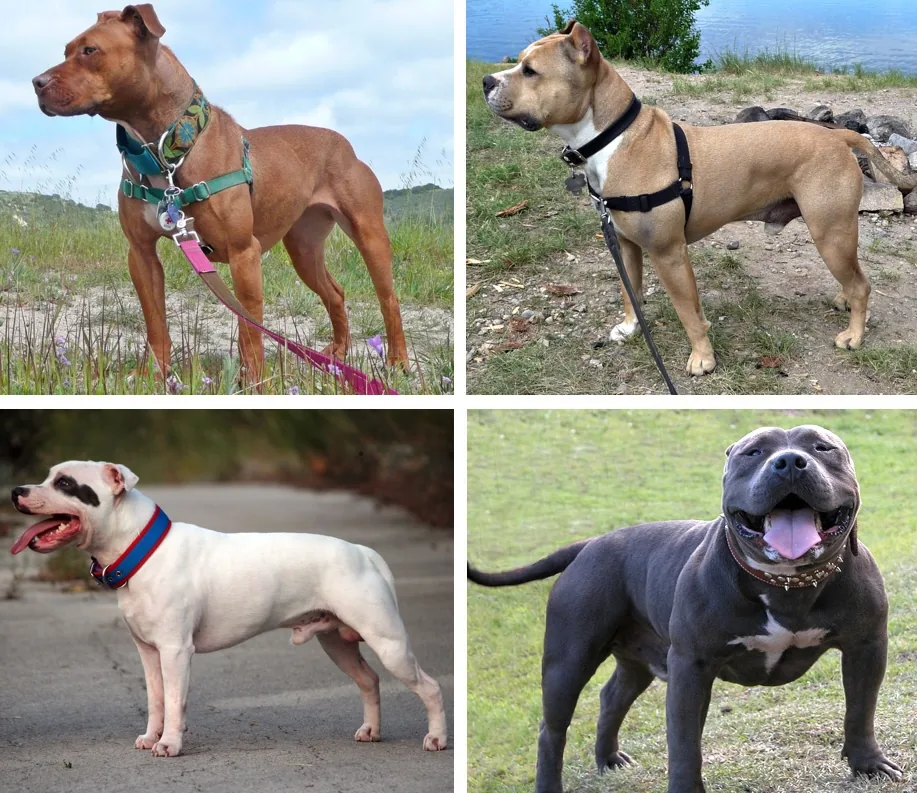
Pitbull
Pitbull cost is moderate: purchase or adoption varies widely, and running costs are driven by food for a muscular dog, vet care and insurance. Expect $4,444 in year one and about $2,189 a year after that.
Acquisition, surgical desexing, initial vet series, and starter hardware.
Normalized baseline at ~$182/month routine cash burn.
Projected over a 13-year Pitbull lifespan.
$3,000 Liquid Reserve Mandate
Critical bufferMuscular medium-sized build brings average orthopaedic risk from hip and knee problems, plus a common tendency toward allergic skin disease, with no single defining expensive syndrome.
Source: MetLife True Cost of Pet Emergencies 2025 (15% of owners hit $3,000+; uninsured surgery $3,000–8,000)
Biometric & phenotypic actuarial spec
What a Pitbull costs, year by year
Cumulative spend across a 13-year life in today's dollars, with the same curve at 3% and 8% yearly inflation. Year 1 carries the acquisition and setup bill.
- Food & nutrition
- Vet & insurance
- Grooming & coat
- Setup & sundries
- - - - at 3% inflation: $36,442
- · · · at 8%: $49,308
Where the big bills land
Bars are routine one-off vet events (vaccine boosters, dental cleanings, bloodwork, spay/neuter). Diamonds are sourced condition treatments for this breed.
33rd percentile
35th percentile
Ranked against 265 other dog breeds in this directory.
View as a table
| Year | Spend | Cumulative | Routine vet events |
|---|---|---|---|
| 1 | $4,444 | $4,444 | $735 |
| 2 | $2,189 | $6,633 | $77 |
| 3 | $2,189 | $8,822 | $543 |
| 4 | $2,189 | $11,011 | $164 |
| 5 | $2,189 | $13,200 | $620 |
| 6 | $2,189 | $15,389 | $164 |
| 7 | $2,189 | $17,578 | $543 |
| 8 | $2,189 | $19,767 | $241 |
| 9 | $2,189 | $21,956 | $543 |
| 10 | $2,189 | $24,145 | $492 |
| 11 | $2,189 | $26,334 | $784 |
| 12 | $2,189 | $28,523 | $328 |
| 13 | $2,189 | $30,712 | $707 |
- Hip Dysplasia: about $5,800 once, from year 2 (MetLife Pet Insurance, How Much Does Dog Hip Dysplasia Surgery Cost? (metlifepetinsurance.com/blog/pet-health/dog-hip-dysplasia-surgery-cost/), 2024-10, medium confidence)
- Allergic skin disease (atopic dermatitis): about $2,250 a year, from year 3 (Vetified, Dog Skin Treatment Cost: Allergies, Infections & Mange (vetified.co/blogs/news/dog-skin-treatment-cost), 2026-05, low confidence)
Annual Cash Burn Matrix ($2,189/yr)
Continuous operational expenditure distributed across 5 core maintenance categories, indexed to metabolic demand and regional clinical rates.
Food
Source: Derived: veterinary MER formula + mid-tier dry kibble price (2026-01)
Vet Care
Source: Modeled estimate, not a sourced figure. Category basis: ASPCA / AAHA routine wellness composite (annual exam, vaccines, parasite control) x size 1 x risk 1 (2026-01)
Grooming
Source: Modeled estimate, not a sourced figure. Category basis: Rover / PetSmart service menu, short-coat baseline (grooming rating 2) x coat 0.4 (2026-01)
Pet Insurance
Source: Derived: NAPHIA State of the Industry 2025 (2024 data), accident & illness dog average x size 1 x risk 1 (2026-01)
Supplies & Toys
Source: Derived: Synchrony Pet Lifetime of Care 2025 (toy replacement $50–150/yr) plus routine consumables x size 1 (2026-01)
Upfront Entry CapEx
Purchase / Adoption Fee ($1,000), Initial Vet Visit & Vaccinations ($660), Starter Supplies ($475), Training Classes ($260), First Year Food ($562), First Year Vet Care ($660), First Year Grooming ($78), First Year Insurance ($749).
Comprehensive Lifecycle Ledger
Audited financial breakdown distinguishing immediate first-year fixed capitalization from ongoing annualized operating liabilities over the full 12–16 yrs canine lifespan.
| Expenditure Category | Year 01 Outlay | Annual Steady-State | Lifetime Total | Actuarial Sizing Methodology |
|---|---|---|---|---|
| Purchase / Adoption Fee | $1,000 | — | $1,000 | Varies by breeder vs rescue |
| Initial Vet Visit & Vaccinations | $660 | — | $660 | Spay/neuter, microchip, health check |
| Starter Supplies | $475 | — | $475 | Bed, crate, collar, bowls, toys |
| Training Classes | $260 | — | $260 | Basic obedience recommended |
| First Year Food | $562 | — | $562 | — |
| First Year Vet Care | $660 | — | $660 | — |
| First Year Grooming | $78 | — | $78 | — |
| First Year Insurance | $749 | — | $749 | — |
| Food | — | $562 | $7,306 | — |
| Vet Care | — | $660 | $8,580 | — |
| Grooming | — | $78 | $1,014 | — |
| Pet Insurance | — | $749 | $9,737 | — |
| Supplies & Toys | — | $140 | $1,820 | — |
| Gross Actuarial Expenditure | $4,444 | $2,189 / yr | $30,712 | Unadjusted baseline |
Actuarial Health Risk Profile (Tier 3)
Muscular medium-sized build brings average orthopaedic risk from hip and knee problems, plus a common tendency toward allergic skin disease, with no single defining expensive syndrome.
Hip Dysplasia
A loose, malformed hip joint that wears the cartilage and leads to arthritis and lameness.
- Typical treatment cost (one-time)
- $5,600–$6,000
Typically appears at age 0.5–2
medium confidence · MetLife Pet Insurance, How Much Does Dog Hip Dysplasia Surgery Cost?, 2024-10
Allergic skin disease (atopic dermatitis)
Environmental allergies that cause itching, skin infections and ear problems, and usually need lifelong management.
- Typical treatment cost (per year)
- $1,500–$3,000
Typically appears at age 0.5–3
low confidence · Vetified, Dog Skin Treatment Cost: Allergies, Infections & Mange, 2026-05
Cruciate ligament rupture
A torn knee stabiliser that causes sudden hind-leg lameness and usually needs surgery, often followed by the other knee.
- Typical treatment cost (one-time)
- $2,500–$7,500
medium confidence · MetLife Pet Insurance, How Much Does Dog ACL Surgery Cost?, 2026-08
Costs are typical for the condition in general, not specific to the Pitbull. See the Pitbull cost timeline
What Truly Drives the Pitbull’s Financial Profile
About the Pitbull and its cost
The pitbull cost story starts with a medium-sized, muscular, short-coated dog that needs plenty of exercise and firm, consistent training. Acquisition ranges from a modest shelter adoption fee to a much higher breeder price, and that one line moves the first-year total more than anything else. Grooming is light, so it rarely adds much to the budget. Food, routine vet visits and insurance make up most of the ongoing spend, and many owners also budget for training classes early on because this energetic breed benefits from structure. Expect a lifespan in the low-to-mid teens, so spread the lifetime total across many years.
What drives Pitbull costs
Size and build set the baseline: a medium, heavily muscled dog eats more than a same-height companion breed, and heavier dogs put more load on their joints. Hip dysplasia and cruciate ligament tears are the orthopaedic risks worth planning for, since both can lead to surgery and long rehabilitation. Allergic skin disease is the other common driver, and it tends to mean ongoing medication, skin checks and ear care rather than a single bill. Keeping weight lean and joints conditioned lowers the odds of expensive orthopaedic problems, while early allergy control keeps skin infections from stacking up.
Torn knees tend to come in pairs
The Pitbull weighs 30 to 65 pounds, and cruciate ligament rupture is its signature orthopedic cost: a torn knee stabiliser causes sudden hind-leg lameness, usually needs surgery, and is often followed by the other knee. Allergic skin disease means lifelong management. Year one is $4,444 and lifetime about $30,712.
Pitbull first-year budget
The first year is the most expensive because one-time setup lands alongside recurring costs. Purchase or adoption comes to $1,000, followed by $660 for early vet visits and vaccinations and $475 for a crate, bed, leash and bowls. Training adds $260, which is well spent on an energetic, strong dog. Together that makes $2,395 in one-time costs. Recurring items in year one are $562 for food, $660 for vet care, $78 for grooming and $749 for insurance, totalling $2,049. The full first-year figure is $4,444.
Pitbull yearly cost after year one
Once setup is behind you, the budget settles into a steady pattern. Food is the biggest line at $562, since this muscular breed eats well. Routine vet care costs $660, insurance $749 and grooming $78, with toys and supplies adding $140. That brings the steady-state total to $2,189 a year, or about $182 a month. Costs usually creep up in later years as vet visits become more frequent, and a senior dog may need joint supplements or medications on top of this baseline.
Emergency fund for a Pitbull
A reserve of $3,000 is a sensible target. The conditions most likely to drive a big bill are cruciate ligament tears, hip problems that need surgery, and stubborn skin infections tied to allergies. Any one of these can cost several thousand dollars, and the other knee often follows a torn cruciate. Insurance can cover part of that, but you still front deductibles and sometimes the whole bill before reimbursement. Over a full lifetime, the total comes to about $30,712, so building the reserve early protects both your dog and your budget.
Cutting Pitbull costs
The biggest levers are prevention and timing. Preventing obesity lowers joint strain and the odds of orthopaedic surgery, and controlling allergies early reduces recurring skin and ear infections. Buying insurance while your dog is young locks in coverage before conditions appear. Shop for food in bulk and compare vet prices for routine work such as vaccines and dental care. Groom at home to keep that line small. Across a full lifetime of $30,712, small yearly savings against $2,189 add up to a meaningful sum, and trimming even a little from $182 helps.
6 Prudent Ways to Cut Pitbull Costs
Consider adopting from a shelter
Shelters and rescues often list pit-type dogs at a fraction of breeder prices, and many include spay or neuter and first vaccines. Ask what is bundled before comparing fees.
Keep your dog lean
Extra weight strains hips and knees and raises the odds of surgery. Measure meals, limit treats and use part of the daily ration for training rewards.
Insure early
A plan bought while your dog is young and healthy avoids pre-existing condition exclusions for joint and skin problems. Compare deductibles and reimbursement rates rather than only the monthly premium.
Groom at home
The short coat needs only a weekly brushing and occasional bath, so professional grooming is rarely necessary. Learn to trim nails and clean ears yourself.
Invest in basic training
A trained dog is easier to insure, board and walk, and less likely to destroy belongings. Group classes cost less than private sessions and give useful socialisation.
Don't pay extra for a rare coat color
Black, blue, white and red-nose pitbulls are often marketed at a premium, but color says nothing about health or temperament. Pay for health testing and a good breeder instead, or adopt, and keep the $1,000 purchase line on this page as a ceiling.
Peer Class Financial Comparisons
How the Pitbull compares to morphological peers on annualized ownership cost.
Pitbull
Frequently Asked Financial Questions
How much does a pitbull cost per month?
Is a pitbull expensive to own?
What are the yearly costs of owning a pitbull?
How much are pitbull vet bills?
Do pitbulls need pet insurance?
How much does a pitbull puppy cost?
How much does a pitbull adoption fee cost?
How long do pitbulls live?
How much does a pitbull weigh?
Do black, blue or white pitbulls cost more?
Does a Pitbull tear its other knee after one cruciate injury?
What is atopic dermatitis in a Pitbull?
Data sources
- American Staffordshire Terrier Breed Page — American Kennel Club (akc.org)
- Pit bull — Wikipedia (en.wikipedia.org)
- Hip Dysplasia — Orthopedic Foundation for Animals (ofa.org)
Calculate Your Pitbull Cost Adjusted by Metro ZIP Code
Veterinary surgical tariffs and clinical room rates vary widely between metropolitan regions and rural counties. Recalculate this dossier with your exact state, city, and lifestyle parameters.