
Boxer Cost & Ownership Dossier
Boxer dog cost runs higher than average for a large breed because of a well-documented cardiac condition and an above-average lifetime cancer rate that shape realistic vet budgeting. Expect around $5,199 in the first year and $2,754 in a typical year afterward. Over a full lifespan, factoring cardiac screening and the possibility of cancer treatment, the estimate reaches near $32,739.
Executive cost summary
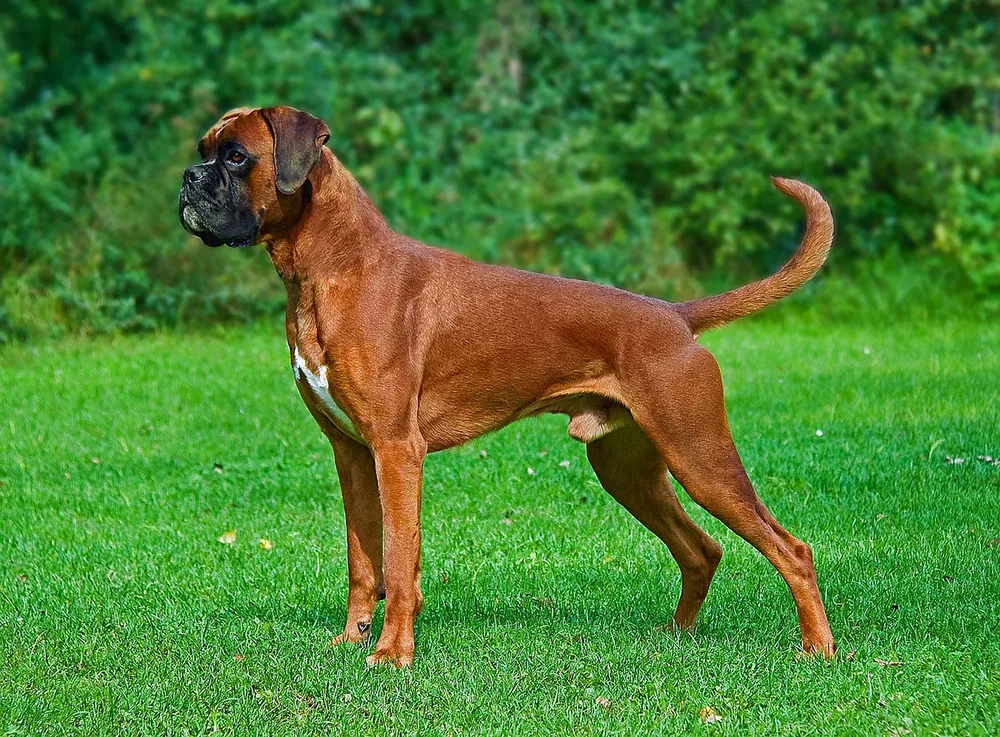
Boxer
Boxer dog cost runs higher than average for a large breed because of a well-documented cardiac condition and an above-average lifetime cancer rate that shape realistic vet budgeting. Expect around $5,199 in the first year and $2,754 in a typical year afterward. Over a full lifespan, factoring cardiac screening and the possibility of cancer treatment, the estimate reaches near $32,739.
Acquisition, surgical desexing, initial vet series, and starter hardware.
Normalized baseline at ~$230/month routine cash burn.
Projected over a 11-year Boxer lifespan.
$4,000 Liquid Reserve Mandate
Critical bufferA documented breed-specific cardiomyopathy combined with above-average cancer incidence drives recurring diagnostic and treatment cost beyond what a typical large breed carries.
Source: MetLife True Cost of Pet Emergencies 2025 (15% of owners hit $3,000+; uninsured surgery $3,000–8,000)
Biometric & phenotypic actuarial spec
Annual Cash Burn Matrix ($2,754/yr)
Continuous operational expenditure distributed across 5 core maintenance categories, indexed to metabolic demand and regional clinical rates.
Food
Vet Care
Grooming
Pet Insurance
Supplies & Toys
Upfront Entry CapEx
Purchase / Adoption Fee ($1,100), Initial Vet Visit & Vaccinations ($700), Starter Supplies ($546), Training Classes ($260), First Year Food ($790), First Year Vet Care ($770), First Year Grooming ($78), First Year Insurance ($955).
Comprehensive Lifecycle Ledger
Audited financial breakdown distinguishing immediate first-year fixed capitalization from ongoing annualized operating liabilities over the full 10–12 yrs canine lifespan.
| Expenditure Category | Year 01 Outlay | Annual Steady-State | Lifetime Total | Actuarial Sizing Methodology |
|---|---|---|---|---|
| Purchase / Adoption Fee | $1,100 | — | $1,100 | Varies by breeder vs rescue |
| Initial Vet Visit & Vaccinations | $700 | — | $700 | Spay/neuter, microchip, health check |
| Starter Supplies | $546 | — | $546 | Bed, crate, collar, bowls, toys |
| Training Classes | $260 | — | $260 | Basic obedience recommended |
| First Year Food | $790 | — | $790 | — |
| First Year Vet Care | $770 | — | $770 | — |
| First Year Grooming | $78 | — | $78 | — |
| First Year Insurance | $955 | — | $955 | — |
| Food | — | $790 | $8,690 | — |
| Vet Care | — | $770 | $8,470 | — |
| Grooming | — | $78 | $858 | — |
| Pet Insurance | — | $955 | $10,505 | — |
| Supplies & Toys | — | $161 | $1,771 | — |
| Gross Actuarial Expenditure | $5,199 | $2,754 / yr | $32,739 | Unadjusted baseline |
Actuarial Health Risk Profile (Tier 4)
A documented breed-specific cardiomyopathy combined with above-average cancer incidence drives recurring diagnostic and treatment cost beyond what a typical large breed carries.
Cardiomyopathy (Boxer cardiomyopathy)
A breed-associated heart rhythm disorder can develop silently and needs periodic cardiac screening to catch before it causes a collapse.
Cancer predisposition
Boxers have one of the higher lifetime cancer rates among breeds, including mast cell tumors and lymphoma, which can mean biopsy and oncology costs.
Brachycephalic airway sensitivity
A shortened muzzle makes Boxers more heat- and anesthesia-sensitive than an average dog, though less severely than an extreme brachycephalic breed.
What Truly Drives the Boxer’s Financial Profile
About the Boxer and its cost
The Boxer is a muscular, high-energy working breed originally developed in Germany for guarding and hunting, and that athleticism shows up directly in its budget. $790 needs to support a lean, muscular large dog with real caloric demands, and daily structured exercise reflects a breed that genuinely needs an outlet, not an occasional stroll. The short coat keeps $78 minimal, mostly baths and nail trims rather than professional sessions. $260 deserves real investment, since Boxers are intelligent and exuberant, and channeling that energy early prevents costlier behavioral issues later. $1,100 varies by breeder, with cardiac-screened, health-tested lines commanding a noticeably higher price than casual backyard litters for anyone comparing boxer dog cost across sources.
What drives Boxer costs
Boxer cardiomyopathy is the defining cost driver for this breed, a heart rhythm disorder that can develop without obvious symptoms and typically requires periodic cardiac screening, sometimes including a Holter monitor, to catch early. $770 reflects that ongoing vigilance more than it would for a breed without this predisposition. Boxers also carry one of the higher lifetime cancer rates among dog breeds, meaning a biopsy or oncology referral is a real, not remote, possibility as the dog ages. $955 becomes especially valuable given both risks, since cardiac diagnostics and cancer treatment both carry meaningful specialist pricing. Their moderately brachycephalic muzzle adds a smaller layer of heat and anesthesia caution that also factors into $770 over time.
Boxer first-year budget
A Boxer's first year starts with $1,100 that varies meaningfully depending on cardiac screening in the lineage, plus $700 for the vaccine series and an early exam. $546 should include sturdy gear suited to an energetic, strong large-breed puppy, since Boxers outgrow lightweight equipment fast. $260 is one of the more important lines for this breed given its intelligence and exuberance, and early classes pay off in fewer behavioral issues later. $790 needs to support real growth and activity from the start. Combining $2,606 with $2,593 brings the full first year to roughly $5,199, with training and supplies weighing more heavily than for a lower-energy breed.
Boxer yearly cost after year one
Once past puppyhood, annual Boxer spending settles near $2,754, distributed across $790, $770, $78, and $955. $770 runs a bit higher than a typical large breed because of periodic cardiac screening many owners schedule proactively as the dog matures. $955 is worth keeping continuous rather than lapsing, since both cardiomyopathy and cancer remain real possibilities throughout adulthood. $78 stays minimal given the short coat, one of the few categories where this breed runs cheaper than average. Averaged monthly, the annual total works out to about $230, holding steady barring a cardiac or cancer diagnosis.
Emergency fund for a Boxer
Because Boxer cardiomyopathy can progress silently before causing a sudden collapse, $4,000 deserves real priority even for owners whose dog seems perfectly healthy on the surface. A cancer diagnosis, given the breed's elevated incidence, is another scenario that can require biopsy, imaging, and oncology consultation with substantial cost attached. Owners who build $4,000 steadily while the dog is young are far better positioned than those trying to assemble savings after a diagnosis already requires treatment decisions. Factoring these possibilities across a typical lifespan brings the $32,739 for this breed above that of a large dog without comparable cardiac and cancer predispositions, which is worth planning for early.
Cutting Boxer costs
Choosing a cardiac-screened breeder costs more upfront but meaningfully lowers the odds of an expensive cardiomyopathy diagnosis down the line, protecting both the dog and the household budget. Enrolling in insurance before any cardiac or cancer flag appears converts an unpredictable specialist bill into a manageable monthly premium instead. Meeting the breed's real exercise needs consistently reduces behavioral and injury-related costs that come from an under-stimulated Boxer. Group training classes are typically more affordable than private lessons and suit this social breed's temperament well. Together these choices keep $2,754, $230, and the eventual $32,739 lower than an unplanned approach to Boxer ownership would otherwise produce.
5 Prudent Ways to Cut Boxer Costs
Schedule periodic cardiac screening
Ask your vet about baseline cardiac screening as the dog matures, since catching Boxer cardiomyopathy early allows management before it becomes an emergency. This proactive step is far cheaper than treating a collapse.
Insure before any diagnosis appears
Enroll a Boxer puppy in pet insurance while healthy. Both cardiomyopathy and cancer become pre-existing exclusions once flagged, so early coverage is the only way to have it available when needed.
Watch for skin lumps closely
Because Boxers are prone to mast cell tumors, checking the skin regularly and getting new lumps evaluated promptly can mean catching a tumor while it is still simple and affordable to remove.
Meet the exercise need consistently
A well-exercised Boxer is less likely to develop destructive habits that lead to injury or costly property damage. Daily structured activity is a free way to reduce both vet and replacement costs.
Manage heat exposure carefully
Avoid strenuous exercise during hot, humid weather given the breed's moderately shortened muzzle. This simple precaution lowers the risk of an emergency heat-related vet visit.
Peer Class Financial Comparisons
How the Boxer compares to morphological peers on annualized ownership cost.
Boxer
Frequently Asked Financial Questions
How much does a Boxer dog cost per month?
How much does a Boxer dog cost per year?
Are Boxer dogs expensive to own?
How much is a Boxer puppy?
Do Boxer dogs need pet insurance?
What is the biggest hidden cost of owning a Boxer?
Do Boxers get cancer often?
Is a Boxer good for first-time owners?
Data sources
- Boxer Breed Standard — American Kennel Club (akc.org)
- Boxer (dog) — Wikipedia (en.wikipedia.org)
- Cardiomyopathy in Dogs — VCA Animal Hospitals (vcahospitals.com)
Calculate Your Boxer Cost Adjusted by Metro ZIP Code
Veterinary surgical tariffs and clinical room rates vary widely between metropolitan regions and rural counties. Recalculate this dossier with your exact state, city, and lifestyle parameters.