
Serengeti Cost & Ownership Dossier
Serengeti cost runs near $2,312 in the first year, covering the cat, initial vaccines, and gear suited to this leggy, high-energy breed. Monthly upkeep for an adult settles around $84. Across a typical lifespan, owners should budget roughly $13,334.
Executive cost summary
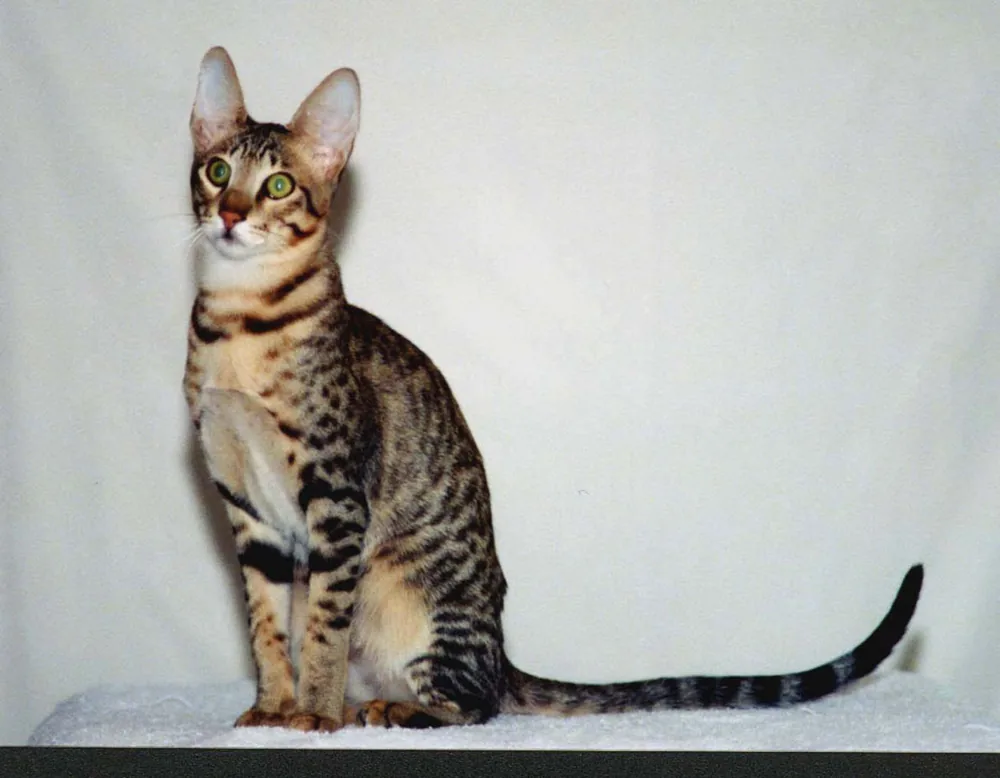
Serengeti
Serengeti cost runs near $2,312 in the first year, covering the cat, initial vaccines, and gear suited to this leggy, high-energy breed. Monthly upkeep for an adult settles around $84. Across a typical lifespan, owners should budget roughly $13,334.
Acquisition, surgical desexing, initial vet series, and starter hardware.
Normalized baseline at ~$84/month routine cash burn.
Projected over a 12-year Serengeti lifespan.
$2,000 Liquid Reserve Mandate
Critical bufferA structurally sound but athletic, jump-prone breed whose main cost drivers are hip strain and injury risk rather than any defining organ disease.
Source: MetLife True Cost of Pet Emergencies 2025 (15% of owners hit $3,000+; uninsured surgery $3,000–8,000)
Biometric & phenotypic actuarial spec
Annual Cash Burn Matrix ($1,002/yr)
Continuous operational expenditure distributed across 5 core maintenance categories, indexed to metabolic demand and regional clinical rates.
Food
Vet Care
Grooming
Pet Insurance
Supplies & Toys
Upfront Entry CapEx
Purchase / Adoption Fee ($800), Initial Vet Visit & Vaccinations ($300), Starter Supplies ($260), Litter & Behavior Basics ($40), First Year Food ($287), First Year Vet Care ($260), First Year Grooming ($24), First Year Insurance ($341).
Comprehensive Lifecycle Ledger
Audited financial breakdown distinguishing immediate first-year fixed capitalization from ongoing annualized operating liabilities over the full 10–14 yrs feline lifespan.
| Expenditure Category | Year 01 Outlay | Annual Steady-State | Lifetime Total | Actuarial Sizing Methodology |
|---|---|---|---|---|
| Purchase / Adoption Fee | $800 | — | $800 | Varies by breeder vs rescue |
| Initial Vet Visit & Vaccinations | $300 | — | $300 | Spay/neuter, microchip, health check |
| Starter Supplies | $260 | — | $260 | Litter box, scratching post, carrier, bowls |
| Litter & Behavior Basics | $40 | — | $40 | Litter box training, scratching post basics |
| First Year Food | $287 | — | $287 | — |
| First Year Vet Care | $260 | — | $260 | — |
| First Year Grooming | $24 | — | $24 | — |
| First Year Insurance | $341 | — | $341 | — |
| Food | — | $287 | $3,444 | — |
| Vet Care | — | $260 | $3,120 | — |
| Grooming | — | $24 | $288 | — |
| Pet Insurance | — | $341 | $4,092 | — |
| Supplies & Toys | — | $90 | $1,080 | — |
| Gross Actuarial Expenditure | $2,312 | $1,002 / yr | $13,334 | Unadjusted baseline |
Actuarial Health Risk Profile (Tier 3)
A structurally sound but athletic, jump-prone breed whose main cost drivers are hip strain and injury risk rather than any defining organ disease.
Hip Dysplasia
This long-legged breed's build carries an elevated risk of hip malformation, which can cause discomfort and reduced mobility over time.
Obesity
A high-energy cat that overeats without matching exercise can gain weight quickly, straining joints and raising metabolic disease risk.
Traumatic Injury
The breed's powerful jumping and running drive raise the odds of falls or collision injuries in an active or outdoor-access household.
What Truly Drives the Serengeti’s Financial Profile
About the Serengeti and its cost
Serengeti cost reflects a relatively young, still-uncommon breed developed to resemble a wild serval without any serval ancestry, giving it purebred-cat health genetics rather than hybrid-specific risks. Purchase price runs moderate to high given the breed's limited breeder network. Its exceptionally long legs and athletic build mean the cost of furnishing a home goes beyond a standard scratching post, since this cat will use every available vertical surface, and tall, sturdy cat trees or a secured catio are close to a necessity rather than a luxury for this particular breed.
What drives Serengeti costs
The breed's long-legged structure carries some elevated hip dysplasia risk, which can develop into discomfort or reduced mobility if unmanaged. Because this is one of the most energetic domestic cat breeds, owners who cannot match that activity level risk a cat that overeats out of boredom, leading to weight-related joint and metabolic strain. The same jumping ability and drive to explore that make the breed entertaining also raise the odds of a fall or collision injury compared with a calmer, less athletic cat. None of these factors define a single catastrophic condition, keeping the breed at an average overall risk tier.
Serengeti first-year budget
$800 covers the kitten from a breeder given this still-uncommon breed's limited network, and $300 handles vaccines, spay or neuter, microchip, and a baseline joint check. $260 furnishes tall, sturdy climbing furniture and secure carriers suited to this athletic cat, while $40 covers basic handling and enrichment habituation. Ongoing lines include $287 for a high-energy diet, $260, $24 for minimal short-coat upkeep, and $341 if enrolled early. One-time costs total $1,400, recurring costs $912, for a first-year total of $2,312.
Serengeti yearly cost after year one
Steady-state ownership runs near $1,002 a year, or about $84 monthly. $287 stays above a typical cat's given this breed's high energy output. $260 covers routine wellness plus occasional hip screening. $24 remains minimal thanks to the short coat. $341 is worth maintaining given the breed's injury and hip risk, and $90 replaces climbing and enrichment gear this active breed wears out quickly.
Emergency fund for a Serengeti
Keep $2,000 on hand for this breed's realistic crisis scenarios. A fall or collision from this athletic cat's jumping can require emergency imaging and treatment. Advancing hip dysplasia occasionally needs pain management or surgical correction. Because the breed's overall risk sits at the average mark, this reserve serves as a general safety net for injury and joint issues rather than coverage for one dominant condition.
Cutting Serengeti costs
Investing once in sturdy, tall climbing furniture prevents the repeated replacement and fall-injury costs that come with underestimating this breed's athleticism. Matching food intake to activity level protects against the weight gain that strains hips already predisposed to dysplasia. Securing high perches and windows lowers injury risk cheaply compared with treating a fall. Together these habits do more to protect the $13,334 total than any single grooming shortcut.
5 Prudent Ways to Cut Serengeti Costs
Invest in tall, stable climbing furniture
This breed's jumping drive means a wobbly or short cat tree gets ignored or damaged quickly. A sturdy, floor-to-ceiling option costs more upfront but prevents both furniture damage and a fall-related injury.
Match feeding to activity level
A high-energy cat that is also allowed to overeat gains weight fast, straining hips already predisposed to dysplasia in this breed. Portion-controlled meals paired with active play keep weight in the healthy range.
Ask about hip screening in the breeding lines
Reputable Serengeti breeders can speak to hip health in their lines. Choosing a kitten from parents with sound hips lowers the odds of costly joint management later.
Secure high perches and windows
Given this breed's athleticism and curiosity, securing screens and blocking dangerous high ledges prevents the kind of fall injury that leads to an expensive emergency visit.
Enroll in insurance early
Because injury risk and hip issues can appear at any life stage, insuring as a kitten ensures both categories of claim are covered before anything shows up in the cat's history.
Peer Class Financial Comparisons
How the Serengeti compares to morphological peers on annualized ownership cost.
Serengeti
Frequently Asked Financial Questions
How much does a Serengeti cost per month?
Is a Serengeti expensive to own?
What are the yearly costs of owning a Serengeti?
How much are Serengeti vet bills?
Do Serengetis need pet insurance?
Are Serengeti cats part serval?
How much exercise does a Serengeti need?
Data sources
- Serengeti Cat — Wikipedia (en.wikipedia.org)
- Pet Health Insurance — North American Pet Health Insurance Association (naphia.org)
- Cutting Pet Care Costs — ASPCA (aspca.org)
Calculate Your Serengeti Cost Adjusted by Metro ZIP Code
Veterinary surgical tariffs and clinical room rates vary widely between metropolitan regions and rural counties. Recalculate this dossier with your exact state, city, and lifestyle parameters.