

Key takeaways
- Cat hyperthyroidism cost with methimazole runs about $425 to $930 a year, and about one-third of that is the pill while the rest is exams and bloodwork.
- Radioactive iodine costs about $2,300 to $2,900 once at the University of Illinois teaching hospital, or about $2,570 to $3,210 in year one with follow-up testing.
- Radioactive iodine breaks even against yearly pills after about 3 to 7 years, so it wins on cost mainly for cats with several years of life ahead.
Cat hyperthyroidism costs about $425 to $930 a year to manage with methimazole pills, or about $2,570 to $3,210 in year one with radioactive iodine and then little more for the thyroid. The pills are cheaper for years. The one-time treatment catches up after roughly three to seven years, which makes the real question how long your cat has left.
This guide prices both options with published fees, then works out the year they break even. It also covers what the price tag leaves out, including the isolation stay, the kidney risk and the chance of an underactive thyroid afterward. The totals are our arithmetic on the figures linked below.
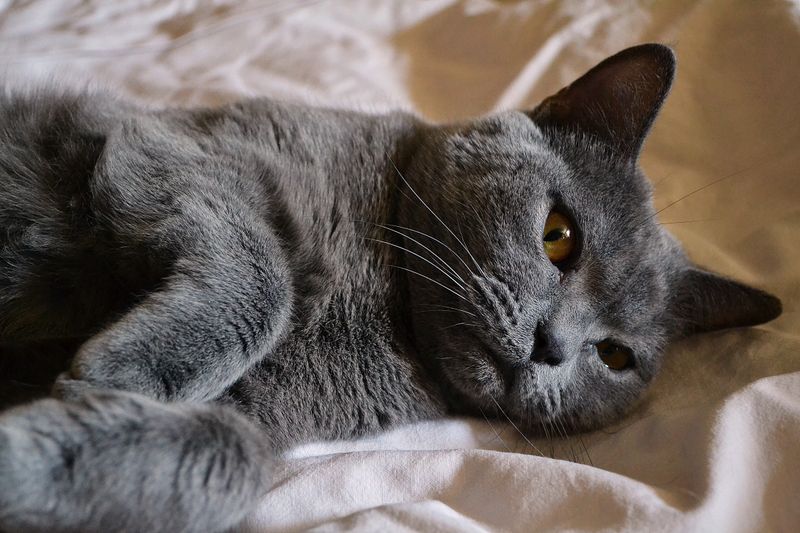 Photo: Juwelia / Pexels
Cat hyperthyroidism cost at a glance
The cat hyperthyroidism cost for the first year is about $425 to $930 with methimazole and $2,570 to $3,210 with radioactive iodine. After year one, pills keep costing money and iodine mostly does not. The table lays out both paths.
| Option | Year one | Each year after | What drives the bill |
|---|---|---|---|
| Methimazole tablets | $425-$930 | $425-$930 | Exams and bloodwork, plus 2 to 4 tablets a day |
| Radioactive iodine (I-131) | $2,570-$3,210 | About $0 for the thyroid | One treatment, 5 or more days of isolation, follow-up tests |
Hyperthyroidism is common in older cats. The Cornell Feline Health Center says it mostly afflicts middle-aged and older cats. In 2025 North American Pet Health Insurance Association data, summarized by dvm360, endocrine disease including hyperthyroidism was the eighth most common cat claim category. The same report says about 2% of cats in the United States are insured, so most owners pay out of pocket.
About 3 to 7 years
How long a cat must live after diagnosis before one radioactive iodine treatment costs less than daily methimazole, across the three scenarios below. Our arithmetic from published fees. Add your cat to the PetBudget calculator for the baseline cost this sits on top of.
What methimazole costs per year
Methimazole costs about $425 to $930 a year, and only about a third of that is the medicine. PetSmart lists 100 Felimazole tablets at $21.23, with a prescription required. That is about 21 cents a tablet.
Dose depends on your cat's thyroid level, so we model two, three and four tablets a day. Those cost about $155, $232 and $310 a year. The Cornell Feline Health Center calls the medication readily available and relatively inexpensive, and the tablet price agrees.
The larger line is monitoring. Methimazole controls the disease without curing it, and Cornell says blood tests should be done periodically during treatment. A price list from a Virginia nonprofit clinic puts the pieces at these prices, per Richmond SPCA's wellness pricing, effective October 1, 2025:
| Item | Cat price |
|---|---|
| Veterinary exam | $40 |
| T4 thyroid test | $25 |
| Chem 10 blood panel | $70 |
| Chem 17 blood panel | $90 |
| Monitoring visit (exam, T4, Chem 10 or 17) | $135-$155 |
The same price list recommends a chemistry panel every 6 to 12 months for pets on long-term medication. We assume two monitoring visits a year for a stable cat, three for a cat still being adjusted, and four for a cat with side effects or a dose that keeps changing. Private practices usually charge more than a nonprofit clinic.
That gives three yearly scenarios:
| Scenario | Tablets a day | Drug cost | Monitoring visits | Yearly total |
|---|---|---|---|---|
| Stable cat | 2 | $155 | 2 ($270-$310) | $425-$465 |
| Adjusting dose | 3 | $232 | 3 ($405-$465) | $637-$697 |
| Complicated cat | 4 | $310 | 4 ($540-$620) | $850-$930 |
What radioactive iodine costs
Radioactive iodine for a cat costs about $2,300 to $2,900 at the University of Illinois Veterinary Teaching Hospital. The figure comes from the hospital's owner guidelines for I-131 therapy, a June 2026 handout. It does not break the fee into line items, so assume it covers the injection, the isolation stay and routine care during it.
The handout explains why the bill is that size. State law requires the cat to stay isolated until its radioactivity reaches a safe level, a minimum of 5 days after treatment. Some cats must stay longer if their radiation levels run high, and the hospital cannot predict which ones. The handout does not say whether extra days change the fee.
Your cat also needs workup before and testing after:
- Before treatment. The handout requires at minimum a total T4. A complete blood count, chemistry panel and urinalysis must also be done, and your regular vet can run them the week before.
- After treatment. It recommends a total T4, chemistry panel and thyroid-stimulating hormone test one month later, then serial checks over the next year.
- Medication. The cat must be off methimazole for 3 days before treatment.
We price the follow-up as two monitoring visits at the same $135 to $155 each, or $270 to $310. That does not include the TSH test or the pre-treatment panel, which the handout does not price. Add those if your clinic bills them separately.
The year-one total is therefore $2,300 to $2,900 plus $270 to $310, or $2,570 to $3,210. For most cats that is the last large thyroid bill. The handout says fewer than 5% of cats need a second treatment.
When radioactive iodine breaks even against methimazole
Radioactive iodine costs less in total once your cat lives past about 3 to 7 years after treatment. To find your own number, divide the year-one iodine cost by your cat's yearly methimazole cost.
The table shows the break-even in years for each scenario, using the low and high ends of the iodine cost.
| Methimazole scenario | Yearly cost used | Break-even if iodine costs $2,570 | Break-even if iodine costs $3,210 |
|---|---|---|---|
| Stable cat | $445 | 5.8 years | 7.2 years |
| Adjusting dose | $667 | 3.9 years | 4.8 years |
| Complicated cat | $890 | 2.9 years | 3.6 years |
Here is the rule. If your vet expects your cat to live longer than the break-even in its row, iodine is the cheaper path in total dollars. If less, pills are cheaper. The middle case lands near four to five years.
This model leans toward iodine in one way. It counts every methimazole visit but only the first year of iodine visits, though a senior cat would see a vet for checkups either way. The real break-even is therefore a little later than shown.
What the price tag leaves out
Price is only one axis, and the other axes can decide the choice for your cat. Four items matter most.
- Cure versus control. The Cornell Feline Health Center says radioactive iodine is curative within three months in about 95% of cases. Medication does not cure the disease, so it allows control rather than an end to treatment.
- An underactive thyroid. Cornell warns that up to 50% of cats treated with radioactive iodine can develop some degree of hypothyroidism. The Illinois handout says some cats then need thyroid hormone supplementation.
- Kidney disease. The Illinois handout notes that treating hyperthyroidism can unmask underlying kidney disease, so renal values need monitoring after treatment. Our cat kidney disease cost guide prices that scenario.
- Medication side effects. Cornell lists vomiting, loss of appetite, fever, anemia and lethargy among the possible side effects of antithyroid drugs. A cat that cannot tolerate pills changes the whole comparison.
Practical limits also apply. The Illinois handout requires the cat to take all oral medication in food during isolation, because it cannot be pilled or injected there. It also tells owners to restrict human contact with the cat for weeks afterward, with rules for bowls and litter.
None of this means iodine or pills is better. It means a cheaper bill does not make a better fit. The handout also claims a longer median survival with iodine than with methimazole alone, but it gives no figure, so treat that as a question for your vet.
How to lower the bill without lowering the care
Several choices cut the bill without cutting care, and most start with one question to your vet.
- Ask for a written estimate that lists every visit. A line-by-line quote shows whether the plan has two checks a year or four. Our guide to asking for a lower-cost treatment plan has a script.
- Fill the prescription at a pharmacy. A prescription lets you compare. PetSmart's $21.23 per 100 tablets is about 21 cents each, and your clinic may charge differently.
- Ask which tests each visit needs. A stable cat may not need the larger Chem 17 every time. The $20 gap between Chem 10 and Chem 17 is small, but it repeats.
- Price iodine at more than one hospital. The $2,300 to $2,900 figure is one teaching hospital. Fees differ by facility and by location.
- Bundle the workup. If your cat is also due for senior bloodwork, one visit can serve both purposes. Our senior dog and cat care cost guide lists what a senior exam covers.
If the one-time fee is the barrier, our guide to vets that take payment plans covers financing.
Insurance, timing and the emergency fund
Insurance covers hyperthyroidism only if the policy started before the diagnosis. The dvm360 summary of the 2025 industry data ranks endocrine disease eighth among cat claim categories, so insurers do see it. A cat diagnosed before enrollment is normally excluded as pre-existing.
Because hyperthyroidism mostly affects middle-aged and older cats, timing matters. The Richmond SPCA price list recommends a T4 test for geriatric cats over eight to screen for hyperthyroidism. An early T4 screen costs $25 there. Read our guides to waiting periods and pre-existing conditions and the cheapest cats to insure before you rely on a policy.
If you plan to pay directly, set aside the year-one figure for the path you choose. Size a separate cushion for a crisis with our emergency vet cost guide. Cornell says hyperthyroidism can predispose cats to other conditions and recommends evaluating the heart and kidneys, so one diagnosis can lead to another bill.
What to do this week
Turn the numbers above into a decision in four steps:
- Get two numbers from your vet. Ask for your cat's expected tablets a day and the number of monitoring visits a year.
- Compute your yearly pill cost. Add the tablet cost at about 21 cents each to the visit total.
- Divide. Take the year-one iodine cost, $2,570 to $3,210 or your hospital's quote, and divide by your yearly pill cost. That is your break-even in years.
- Compare it with your cat's outlook. Ask your vet how many good years to plan for, and whether kidney values favor one route.
Then run your cat through the PetBudget calculator for a baseline annual cost and add the thyroid line that matches your plan. A cost you have planned for is a decision, while a cost that arrives unplanned is an emergency.
Frequently asked questions
How much does cat hyperthyroidism treatment cost?
Methimazole tablets run about $425 to $930 a year once exams and bloodwork are included. Radioactive iodine is a one-time fee of roughly $2,300 to $2,900, plus about $270 to $310 of follow-up testing in the first year.
How much does radioactive iodine for a cat cost?
The University of Illinois Veterinary Teaching Hospital quotes about $2,300 to $2,900. The cat must stay isolated for at least 5 days under state law, so expect the fee to reflect an isolation stay as well as the treatment.
Is methimazole cheaper than radioactive iodine?
It is cheaper in year one and cheaper for several years after. Over a long enough life, radioactive iodine costs less in total, with the crossover at about 3 to 7 years in our model.
Does pet insurance cover cat hyperthyroidism?
Only if the policy began before the diagnosis. Hyperthyroidism found before enrollment is usually pre-existing. Endocrine disease, which includes hyperthyroidism, is a top-10 cat claim category, so it is worth reading the chronic-condition wording.
See your own pet's real numbers.
Run the calculator with your breed, metro area, and care choices for a first-year, annual, and lifetime cost estimate — not a national average.
Comments
Comments are moderated before they appear. Constructive questions, corrections and first-hand pet cost experiences are welcome.
Verified Dialogue
Sort by: Chronological (earliest)Loading comments…