

Key takeaways
- Insulin for a diabetic dog costs $30 to $150 a month and for a cat $30 to over $300, according to MetLife Pet Insurance, before syringes, test strips, prescription food, and vet visits.
- A diabetic cat's full monthly bill runs roughly $110 to $460 using MetLife's published ranges for insulin, testing supplies, diet, and rechecks, which is about $1,300 to $5,600 a year.
- Cats can go into remission: 84% of cats started on tight glucose control within 6 months of diagnosis did, versus 35% when started later, in a 55-cat study in the Journal of Feline Medicine and Surgery.
Diabetes in dogs and cats is a cheap-to-start, expensive-to-continue illness. Insulin alone costs $30 to $150 a month for a dog and $30 to over $300 for a cat, per MetLife Pet Insurance's dog diabetes guide and its cat insulin cost page. Add testing supplies, prescription food, and rechecks, and the real monthly bill is higher. This guide covers the early signs and the full cost of managing the condition for years.
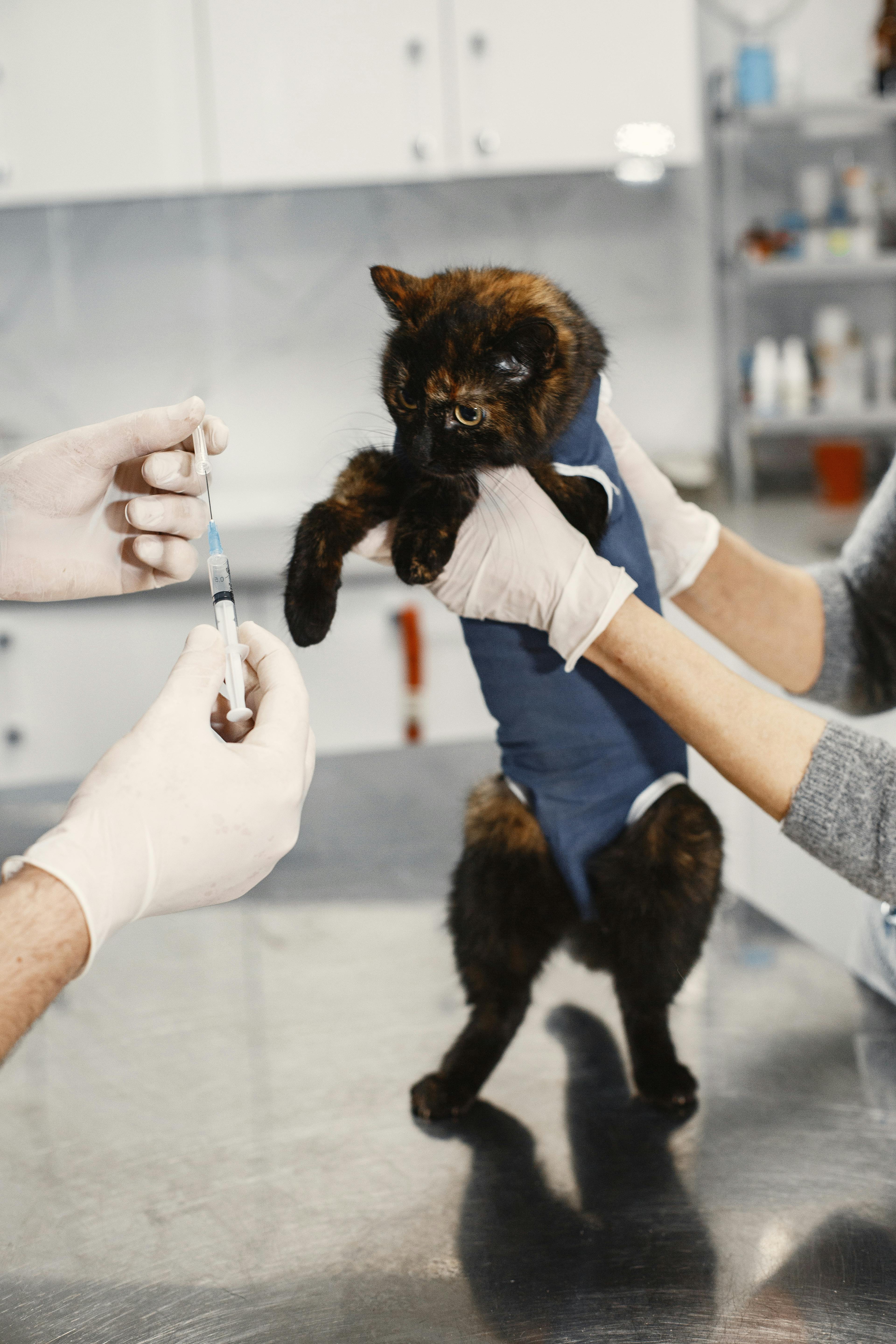 Photo: Gustavo Fring / Pexels
$1,300-$5,600
Estimated yearly cost of managing a diabetic cat, built from MetLife's published monthly ranges. See how it compares in the lifetime cost of a dog versus a cat.
What diabetes does to a dog or cat
Diabetes mellitus is a hormone disorder. The body does not make enough insulin or cannot use it properly, so blood sugar stays high. MetLife says it affects about 1 in 300 pets. It cannot be cured in most dogs, but it can be managed, and a managed dog or cat can live a good life.
Untreated, high blood sugar damages the body. MetLife lists cataracts and diabetic ketoacidosis, a medical emergency, as dangers in dogs. For cats it lists blindness, kidney disease, liver disease, pancreatitis, and emergency vet visits.
Most diabetic pets need daily insulin injections for life. That is where the monthly bill starts.
Dog diabetes symptoms
Dog diabetes symptoms start gradually, so owners often miss them. MetLife lists these common signs:
- Excessive thirst and appetite changes. The dog drinks far more than usual.
- Increased urination. More accidents, or more trips outside.
- Weight loss. It happens even when the dog eats well.
- Weakness and lethargy.
- Dehydration.
- Vision problems. Cataracts make the eyes look cloudy.
- Chronic infections. Urinary tract and skin infections keep coming back.
Most diabetic dogs are between 4 and 14 years old, and diagnosis usually comes around age 7 to 10, per MetLife. Female dogs are twice as likely as males to develop it. Risk is higher in overweight dogs and in dogs with a history of pancreatitis, Cushing's disease, or long-term steroid use.
MetLife names these breeds as higher risk: miniature poodles, miniature schnauzers, Samoyeds, dachshunds, pugs, Australian terriers, fox terriers, and beagles. Check your own dog's breed on our breed cost directory to see its other health costs.
Signs of diabetes in cats
Diabetes in cats is easy to miss because it takes weeks or months to show. MetLife lists recurring infections, dermatitis, neuropathy, lethargy, weight loss, and changes in appetite. Increased thirst is also a common early clue, and our guide to cat thirst and dehydration explains how to measure it.
Risk factors for cats, per MetLife:
- Age. Middle-aged and senior cats are affected most.
- Sex. Male cats develop it more often.
- Breed. Burmese, Russian Blue, and Norwegian Forest cats carry higher risk.
- Obesity. Overweight cats are more likely to become diabetic. Use our healthy cat weight chart to check your cat's range.
Diagnosis is by blood work and urinalysis. Early diagnosis matters more in cats than dogs because of remission, covered below.
Cat insulin cost
Cat insulin cost is $30 to over $300 a month, per MetLife. A 10 mL vial typically costs $30 to $100, but some types top $300. Most cats need injections twice a day.
The type of insulin drives the price. MetLife lists average 10 mL vial costs by type:
| Insulin type | Examples | Average cost per 10 mL vial |
|---|---|---|
| Short-acting | Humulin R, Novolin R | $25-$190 |
| Intermediate | Humulin N, Novolin N | $25-$184 |
| Long-acting | Lantus, Levemir | $135-$424 |
Long-acting insulins generally cost more. Prices also vary by supplier and by the number of vials you buy. Ask your vet whether a lower-cost option fits your cat, and compare pharmacies before you refill.
Dog insulin cost
Dog insulin cost averages $30 to $150 a month, per MetLife, and can be much higher. The dose depends on weight, so a large dog costs more than a small one. The supplier matters too. MetLife suggests asking your vet for a cheaper source or comparing prices online.
The range is lower than the cat range at the top end, but the dog bill has its own add-ons. MetLife notes that specialty food and vet visits sit on top of insulin. Exams, diagnostics, and hospitalization for complications add more.
The full monthly cost of a diabetic cat
A diabetic cat costs roughly $110 to $460 a month once all the pieces are counted. MetLife's cat guide gives the pieces:
- Insulin: $30 to over $300 a month.
- Testing supplies (syringes, glucose monitor, strips): $25 to $50 a month.
- Prescription diet: $40 to $80 a month.
- Vet visits: $50 to $100 per visit.
Visit frequency varies by cat. This article assumes four rechecks a year, which is a PetBudget planning assumption and not a MetLife figure. That adds about $17 to $33 a month.
Adding the low ends gives about $112 a month. Adding the high ends, with insulin capped at $300, gives about $463. That is $1,344 to $5,556 a year.
| Time frame | Low end | High end |
|---|---|---|
| Per month | about $112 | about $463 |
| Per year | about $1,344 | about $5,556 |
| Over 5 years | about $6,720 | about $27,780 |
For a dog, the sourced piece is insulin. At $30 to $150 a month, that is $360 to $1,800 a year and $1,800 to $9,000 over five years, before food, supplies, and visits. MetLife does not publish those add-ons for dogs, so ask your vet for a written monthly estimate.
Remission: why early action matters for cats
Some diabetic cats stop needing insulin. In a 2009 study of 55 cats in the Journal of Feline Medicine and Surgery, 64% reached remission overall. The owners used home glucose monitoring, an ultra-low-carbohydrate diet, and the insulin glargine.
Timing made the biggest difference. Among cats that started the protocol within 6 months of diagnosis, 84% went into remission. Only 35% did when it started later. Only one mild low-blood-sugar episode occurred.
Two cautions apply. This was a small cohort of owners from an online forum, not a controlled trial. It also used intensive home monitoring, which is not right for every household. Still, the money argument is clear. A cat that reaches remission stops paying the insulin line, which is the largest piece of the bill.
Latest news: new 2026 diabetes guidelines and an oral option for cats
The American Animal Hospital Association published new diabetes management guidelines in 2026 for both species. AAHA's announcements are titled AAHA Releases 2026 Diabetes Management Guidelines for Dogs and AAHA Releases 2026 Feline Diabetes Management Guidelines. Ask your vet which monitoring and insulin choices in the update fit your pet, since they can change both the care plan and the monthly bill.
On the drug side, the FDA approved Senvelgo in August 2023 as the first oral liquid medication for diabetes in cats, per AVMA's coverage of the approval. It is for cats that have not previously been treated with insulin and requires a prescription. I could not find a published US price, so ask your vet to price it against insulin before you decide.
Pet insurance and diabetes
Pet insurance can help with diabetes, but only if you enroll before the diagnosis. MetLife says its policies may reimburse covered insulin, exams, and diagnostics. A condition diagnosed before the policy starts, or during the waiting period, is a pre-existing condition and is generally excluded.
That timing rule is why the choice comes early. MetLife itself suggests considering insurance while your pet is young and healthy, especially for breeds at risk. Our waiting periods and pre-existing conditions guide explains how long the windows run.
How to plan for a chronic condition
A chronic condition is a budget line, not an emergency. The bill arrives every month, for years. Three moves keep it manageable.
- Build the cost into the yearly budget. Add the sourced insulin range, then ask your vet for a quote on the rest. Our calculator shows the yearly baseline to add it to.
- Keep an emergency buffer. Diabetic pets can slip into ketoacidosis and need hospital care. Size a fund with the emergency fund calculator, and read the emergency vet cost guide for typical bills.
- Reduce risk before diagnosis. Weight control lowers risk in both species, per MetLife. A lean pet costs less over a lifetime.
When to see the vet
See a vet if your dog or cat drinks and urinates more, loses weight while eating well, or turns lethargic. Go to an emergency clinic if vomiting, weakness, or labored breathing appears in a known diabetic. MetLife calls ketoacidosis a medical emergency.
Ask the clinic for a written plan that lists insulin type, dose, testing supplies, food, and recheck schedule, with a price for each. That sheet is your real monthly budget.
This article is general information, not veterinary advice. Costs vary by pet, region, and supplier. Monthly totals above are estimates built from the sources linked in each section.
Frequently asked questions
How much does cat insulin cost per month?
MetLife Pet Insurance puts insulin at $30 to over $300 a month. A 10 mL vial lists at $25 to $190 for short-acting, $25 to $184 for intermediate, and $135 to $424 for long-acting insulin. Cost depends on type, dose, and supplier.
How much does dog insulin cost per month?
MetLife reports an average range of $30 to $150 a month, and larger dogs need bigger doses, which raises the price. Exams, diagnostics, test supplies, and a prescription diet are extra, so ask your vet for a full monthly estimate.
What are the first dog diabetes symptoms?
Excessive thirst, increased urination, and changes in appetite come first, per MetLife. Weight loss, weakness, dehydration, cloudy eyes from cataracts, and recurring urinary or skin infections follow. Any of these warrants a vet visit and a blood and urine test.
Can a diabetic cat go into remission?
Yes. In a 2009 study of 55 cats, 64% overall reached remission, and 84% did when intensive glucose control began within 6 months of diagnosis. Only 35% did when it began later. Early diagnosis and a strict plan with your vet matter most.
Does pet insurance cover diabetes?
Usually only if the diabetes develops after the policy starts and the waiting period ends. MetLife notes policies can reimburse covered insulin, exams, and diagnostics. A diagnosis made before enrollment is a pre-existing condition and is generally excluded.
See your own pet's real numbers.
Run the calculator with your breed, metro area, and care choices for a first-year, annual, and lifetime cost estimate — not a national average.
Comments
Comments are moderated before they appear. Constructive questions, corrections and first-hand pet cost experiences are welcome.
Verified Dialogue
Sort by: Chronological (earliest)Loading comments…