

Key takeaways
- A cat drinks about 4 ounces of water per 5 pounds of body weight a day, per PetMD, so a 10-pound cat drinks about 8 ounces and a clear jump above that needs a vet visit.
- Dehydration in cats and excessive thirst are opposite problems: one means too little fluid in the body, the other usually points to kidney disease, diabetes or hyperthyroidism.
- A basic workup at one nonprofit clinic runs about $155 for an exam, a Chem 17 panel and a T4 thyroid test, and private clinics usually charge more.
Dehydration in cats and excessive thirst are opposite problems with different fixes. A dehydrated cat has too little fluid and needs help the same day. A cat that drinks far more than usual often has an illness behind it, and it needs blood and urine tests. This guide shows how to tell which one you are seeing, what the causes are, and what the vet bill usually looks like.
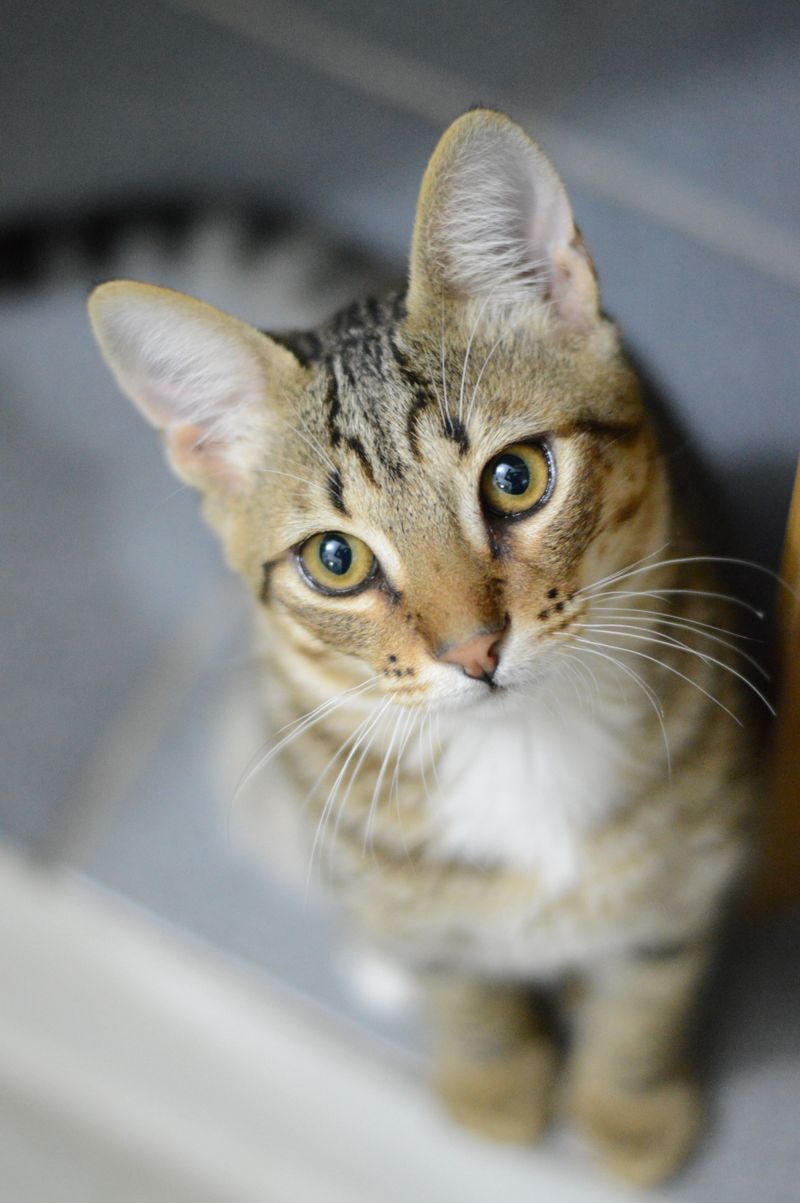 Photo: Erika Augusto / Pexels
Latest news: cat diabetes and kidney disease in 2026
- New diabetes guidelines. The 2026 AAHA feline diabetes guidelines, covered by dvm360 on June 26, 2026, name oral SGLT2 inhibitors as first-line therapy for many newly diagnosed cats. They say cats older than 7 should be screened for hyperthyroidism before starting one.
- A kidney drug is under review in Japan. A Tokyo startup, the Institute for AIM Medicine, filed a feline kidney disease treatment with Japan's agriculture ministry in late April 2026, per The Standard. A February study followed 11 treated and 15 untreated cats for a year. It is not approved, and it is not an FDA decision.
What it means for you: a cat that drinks more still needs blood and urine tests first. Treatment options are improving, but only after a diagnosis.
What counts as normal water intake for a cat?
A healthy cat drinks about 4 ounces of water for every 5 pounds of body weight each day. That figure comes from PetMD's guide to cats drinking a lot of water. For a 10-pound cat it works out to roughly 8 ounces, or one cup.
PetMD gives no fixed number that counts as "too much." It tells owners to watch for a change in pattern over weeks or months. Cats on canned food drink less from the bowl because the food itself is mostly water. Our cat water guide covers intake by diet in more detail.
Measure for two or three days before you worry:
- Fill the bowl to a marked line. Use a measuring cup.
- Note the amount each morning. Include any water you add to wet food.
- Block other sources. Faucets and pet fountains count if your cat uses them.
- Compare with the table. A steady jump of 50% or more is worth a call.
The 50% figure is a PetBudget rule of thumb, not a veterinary cutoff. Your vet can set a better one for your cat.
How can you tell if your cat is dehydrated?
Check three things at home: skin, gums and behavior. None of them replaces an exam, but together they tell you how fast to act.
- Skin tent test. Gently lift the skin over the shoulders and let go. Cornell's hydration guidance says healthy skin snaps back almost at once. In a dehydrated cat it may stay tented or return slowly.
- Gum check. Touch a gum with a clean finger. PetMD's cat dehydration guide says gums should feel wet and slimy, and dry, tacky gums are a sign of dehydration.
- Behavior and eyes. Cornell lists lethargy, weakness, poor appetite and dry mucous membranes. PetMD adds sunken eyes, lack of thirst and panting.
Cornell warns that older cats can have reduced skin elasticity even when hydrated, and PetMD says the pinch test is less reliable in older or chronically ill cats. If your senior cat's skin looks slow but the cat seems fine, rely on gums and behavior, then ask a vet.
PetMD says dehydration can spiral quickly and advises seeing a vet immediately when signs appear. A cat with several signs, or any one sign plus vomiting, needs a vet the same day. Our emergency vet cost guide explains what an urgent visit usually costs.
Cat dehydration treatment: what the vet does
Cat dehydration treatment means replacing the missing fluid and fixing the cause. The route depends on how sick the cat is.
| Severity | Typical treatment | Where it happens |
|---|---|---|
| Mild | Fluids given under the skin | Outpatient visit |
| Moderate to severe | IV fluids through a catheter | Hospital stay |
| Chronic illness such as kidney disease | Fluid therapy plus diet and medication | Clinic |
The vet examines the cat, looks for the underlying cause and may run blood and urine tests to judge severity. PetMD says mild dehydration is often treated with fluids under the skin as an outpatient procedure. It says sicker cats may need hospitalization and an IV catheter. Very dehydrated animals can need several days to regain normal hydration.
Do not force water into your cat. PetMD warns that a dropper can send fluid into the lungs and cause severe pneumonia. Offering wet food, human-grade tuna or low-sodium chicken broth is acceptable. If the cat will not drink on its own, go to the vet. PetMD's kidney disease page adds that any dehydrating illness should be treated promptly with IV fluids.
Excessive thirst in cats: six common causes
Excessive thirst in cats usually points to illness, not a dry bowl. PetMD lists these causes for a cat that drinks more than usual.
| Cause | Who gets it | Other signs to look for |
|---|---|---|
| Kidney disease | Most common in older cats | Weight loss, lower appetite, vomiting, more urine |
| Hyperthyroidism | Middle-aged and senior cats | Weight loss, big appetite, restlessness |
| Diabetes | Often overweight cats, young to middle-aged | Weight loss despite eating well, more urine |
| Liver disease | Middle-aged and senior cats | Poor appetite, vomiting, yellow gums |
| Urinary tract infection | Any age | Straining, frequent small urination |
| Medication | Cats on steroids or diuretics | Starts after the new drug |
Two non-medical causes are worth ruling out first. A switch from wet to dry food and hot or dry weather can both raise drinking. They are usually temporary.
The Cornell Feline Health Center diabetes page explains why diabetes drives thirst. Extra glucose spills into the urine and pulls water with it. Cornell says obese cats are up to four times more likely to develop diabetes. It estimates that between 1 in 100 and 1 in 500 cats will be diagnosed in their lifetime.
Kidney disease has a similar pattern. PetMD's kidney disease guide lists increased thirst first among common symptoms. It also says the disease is one of the most common in cats and becomes likelier with age.
Cat drinking a lot of water but acting normal: should you worry?
Yes, it still counts. A cat can look and act fine while a disease builds. PetMD says early kidney disease, called Stage I, may cause no apparent signs. Heavy drinking can be the only clue.
Use this checklist to decide how quickly to book a visit:
- Is the change new and lasting? Two days of heat is different from three weeks of heavy drinking.
- Did the diet change? A new dry food can raise water intake.
- Is your cat losing weight? Weigh it on a baby scale. Weight loss makes illness more likely.
- Is the litter box heavier? Larger or more urine clumps often go with thirst.
- Is your cat eating more, less or the same? Appetite changes narrow down the cause.
If the answer to the first question is yes, book a visit even when everything else looks normal. PetMD says a fresh urine sample may save a diagnostic step, so ask your clinic how to collect one.
A male cat that strains to urinate, or passes only small amounts often, is different. PetMD says he should be examined immediately because a blockage can be an emergency.
What the vet will test, and what it costs
The usual workup for a cat drinking more water than usual is blood and urine tests. PetMD says these are usually enough for a diagnosis. Ultrasound or X-rays come next if they are not.
A published price list shows the scale of the first step. Richmond SPCA's wellness pricing, effective October 1, 2025, lists these cat prices at a Virginia nonprofit clinic:
| Test or visit | What it checks | Price |
|---|---|---|
| Veterinary exam | Weight, gums, glands, heart, hydration | $40 |
| Chem 10 panel | Blood count and organ function screen | $70 |
| Chem 17 panel | Adds liver function and electrolytes | $90 |
| T4 thyroid test | Screens older cats for hyperthyroidism | $25 |
The clinic recommends the T4 for cats over eight and the Chem 17 for sick or geriatric cats. An exam, Chem 17 and T4 add up to $155. A urinalysis is not on the list, so ask for it in your estimate.
$155
Exam, Chem 17 panel and T4 test at one nonprofit clinic. Private practices usually charge more. See what a vet visit costs before you book.
This is a low-cost clinic. A private practice, an urban clinic or an emergency visit will cost more. Call two or three clinics and ask for an itemized estimate.
What the diagnosis can cost over a year
The follow-up costs more than the diagnosis. A 2009 study from Michigan State University's veterinary hospital, reported by dvm360 in its chronic disease cost table, tracked treatment costs for 12 months after diagnosis. It excluded exams, overnight hospital stays and clinical pathology, and Hill's Pet Nutrition funded it.
| Feline disease | Median 12-month cost | 25th to 75th percentile |
|---|---|---|
| Chronic kidney disease | $1,065 | $562 to $2,396 |
| Hyperthyroidism | $1,401 | $1,015 to $4,034 |
| Diabetes | $860 | $531 to $4,285 |
Treat these as a floor, not a forecast. The figures are 17 years old, the sample was small, and they leave out the exam and lab fees that today's owners also pay. Prices have risen since. The point is the order of magnitude: each disease costs about as much as a full year of routine care.
In PetBudget's model, routine vet care for a Domestic Shorthair is $221 a year and insurance is $273. Disease treatment can multiply the vet line several times over. Insurance only helps if the illness is not pre-existing, so read our guide to waiting periods and pre-existing conditions before you assume coverage. Our pet insurance worth-it guide compares the numbers.
The Cornell diabetes page shows why early action pays. Early, aggressive treatment can lead to remission. If it does not happen within six months, the cat will almost certainly need lifelong insulin about every 12 hours.
Kidney disease stages: why early testing matters
Kidney disease is the most likely cause of heavy drinking in an older cat, and it is not curable. The stage at diagnosis decides most of the outcome. PetMD's kidney disease guide describes the pattern this way.
| Stage | What PetMD says | What it means for you |
|---|---|---|
| Stage I | May cause no apparent signs | Heavy drinking can be the only clue |
| Stages I and II | Many cats have a decent quality of life for months or years | Diet, hydration and medication manage it |
| Stages III and IV | May need anemia drugs, potassium, phosphorus binders, anti-nausea drugs, fluids or blood pressure medication | Costs and visits rise |
Management rests on medication, diet and hydration. PetMD says therapeutic kidney diets are lower in high-quality protein and low in phosphorus. It says vets may also recommend wet food for extra water. None of this cures the disease. It slows the effects, and it works best when it starts early.
Senior cats: yearly screening is cheaper than late treatment
Screen older cats before they show signs. The Richmond SPCA price list recommends a Chem 10 blood panel every 6 to 12 months for geriatric pets older than eight. It recommends a T4 thyroid test for geriatric cats over eight to look for hyperthyroidism.
At that clinic, an exam ($40), Chem 10 ($70) and T4 ($25) total $135. Two screenings a year cost $270. That is about a quarter of the $1,065 median 12-month kidney disease treatment cost in the 2009 study above. Prices differ by clinic, so ask for an estimate that includes a urinalysis.
Screening also gives your vet a baseline. A single reading tells little, but a change from last year's reading tells a lot. Keep a copy of every result and bring it to each visit.
What to tell your vet about a thirsty cat
A good history shortens the workup. Bring these facts to the appointment.
- Measured water intake. Give the daily ounces from your bowl log.
- Diet details. Say whether your cat eats wet food, dry food or both, and whether it changed recently.
- Weight. Give your cat's current weight and its weight a few months ago.
- Litter box changes. Note larger clumps, more trips or accidents.
- Appetite and energy. Say whether your cat is eating more, less or the same.
- Medications. PetMD notes that steroids and diuretics can increase thirst, so list every drug and supplement.
- A urine sample. Ask your clinic how to collect one, since it may save a diagnostic step.
Take photos or notes. Vets see many cats in a day, and a short written timeline gets more attention than a vague "she seems thirsty."
Cat drinking more water than usual: your next steps
Match your next step to what you see. This table sorts the common situations.
| What you see | What to do | How soon |
|---|---|---|
| Tented skin, tacky gums, lethargy | Call a vet | Same day |
| Dehydration signs plus vomiting or diarrhea | Go to the clinic | Same day |
| Male cat straining to urinate | Emergency clinic | Immediately |
| Heavy drinking, weight loss, lower appetite | Book an exam and blood tests | Within a few days |
| Heavy drinking, normal behavior, lasting weeks | Book an exam and urine test | Within a week or so |
| Heavy drinking after heat or a diet change | Recheck intake in a few days | Watch, then call |
The timings in the last column are PetBudget's triage suggestions. PetMD says to go as soon as possible when drinking comes with weight loss, lethargy or appetite changes. When in doubt, call.
Keep your cat hydrated, and budget for the bill
Wet food, fresh bowls and a quiet water spot make dehydration less likely. They do nothing for the illnesses behind heavy drinking. Both problems are cheaper to catch early.
Plan for them in the budget. A Domestic Shorthair costs about $822 a year in PetBudget's model, with a first year of $2,132. Put a reserve behind that number, and compare your cat's costs in the PetBudget calculator. The Domestic Shorthair breed page lists the yearly lines in full.
Three habits catch most problems early:
- Weigh your cat monthly. Weight loss with thirst is a strong signal.
- Know the bowl. Note how fast it empties.
- Book yearly exams for adults and twice-yearly checks for seniors. Ask for bloodwork and a thyroid test after age eight.
Frequently asked questions
How can you tell if your cat is dehydrated?
Lift the skin over the shoulders. In a hydrated cat it snaps back almost at once. Slow return, tacky gums, sunken eyes, lethargy and dry gums all point to dehydration. Older cats have less elastic skin, so call a vet if you are unsure.
Why is my cat drinking more water than usual?
Hot weather and a switch from wet to dry food can raise drinking. A lasting increase can signal kidney disease, diabetes, hyperthyroidism, liver disease or a urinary infection. PetMD says to see a vet when the change is not explained by weather or diet.
Can a cat drink a lot of water and act normal?
Yes. PetMD's kidney disease guide says early disease can cause no apparent signs. A normal-acting cat that drinks more over weeks still deserves blood and urine tests.
What is the treatment for dehydration in cats?
Mild dehydration is often treated with fluids under the skin at the clinic. A sicker cat may need hospital care with IV fluids. Treatment also targets the cause, such as vomiting or kidney disease.
How much does it cost to find out why my cat is thirsty?
At one nonprofit clinic, an exam is $40, a Chem 17 blood panel $90 and a T4 thyroid test $25, or $155 together. Private practices and city clinics typically charge more, and urine tests are billed separately.
See your own pet's real numbers.
Run the calculator with your breed, metro area, and care choices for a first-year, annual, and lifetime cost estimate — not a national average.
Comments
Comments are moderated before they appear. Constructive questions, corrections and first-hand pet cost experiences are welcome.
Verified Dialogue
Sort by: Chronological (earliest)Loading comments…