

Key takeaways
- Low-cost spay/neuter clinics typically charge $50-$150 per surgery, versus a private-practice average of $455 to spay a dog and $322 to spay a cat, per CareCredit's 2026 pricing.
- The ASPCA runs its own low-cost clinics in New York City, Los Angeles, and western North Carolina, and its SpayUSA directory lists thousands of discount providers nationwide.
- PetSmart Charities has funded free and reduced-cost spay/neuter surgeries for more than 3 million pets since 2013 through its grant network of local partner clinics.
Low-cost and free spay/neuter clinics charge $50-$150 per surgery on average, compared with the $455 national average to spay a dog and $322 to spay a cat at a private veterinary practice, per CareCredit's dog spay and neuter guide (June 2026). These are affordable spay neuter options, run on nonprofit funding, grants, or municipal subsidies. Several major networks make it possible to find one within a reasonable drive almost anywhere in the U.S. This guide covers where to look for them, what a typical visit costs, and what to expect the day of surgery.
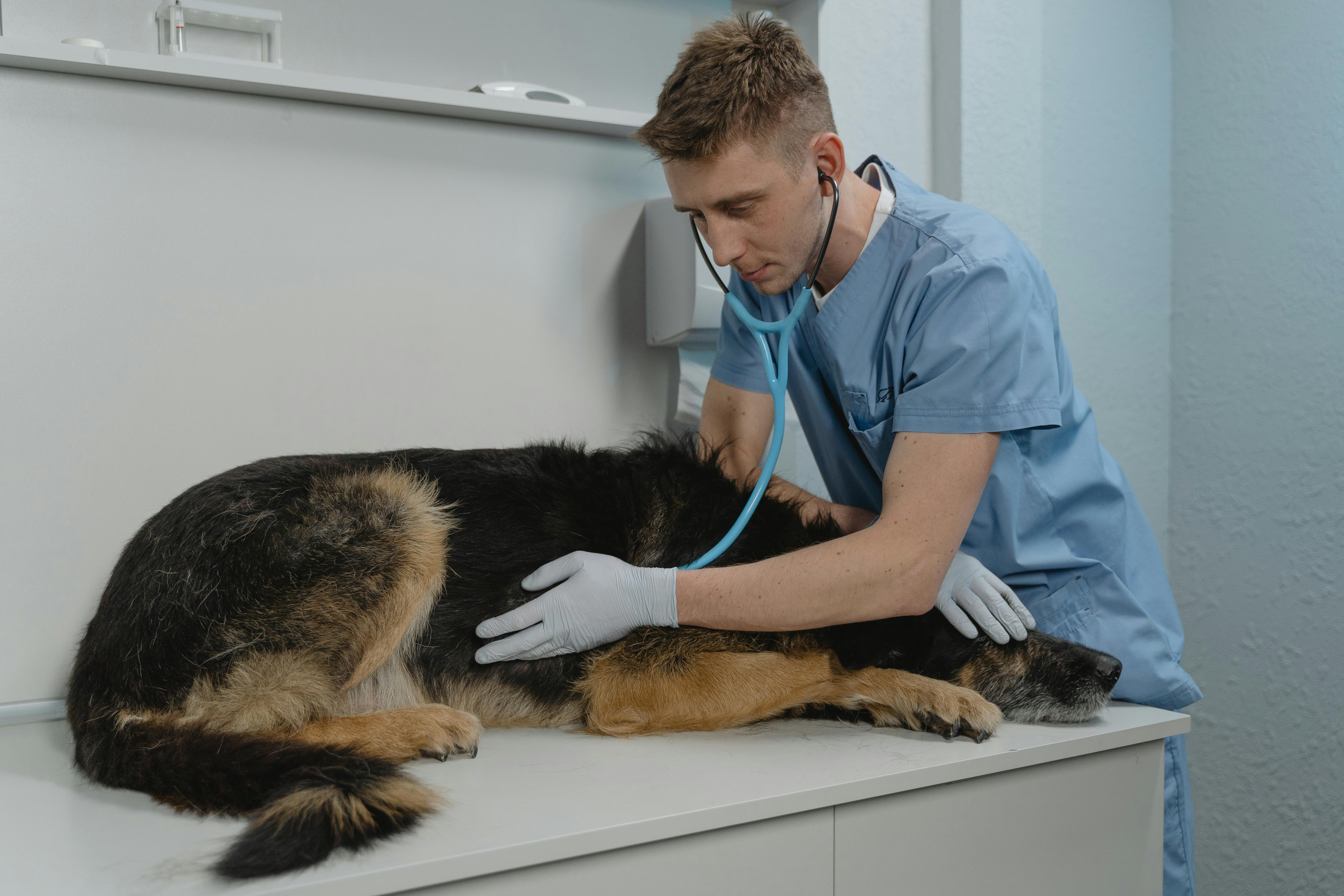 Photo: Tima Miroshnichenko / Pexels
Why low-cost clinics exist
Full-service veterinary hospitals price spay/neuter surgery to cover a general practice's overhead. That overhead includes a surgical suite used for many procedure types, full-time staff, and same-day recovery monitoring. Low-cost clinics strip that down to a single, high-volume service line. A single vet and streamlined support staff can process 20-40 surgeries in a day using standardized protocols. That volume is the main reason the price drops so far below a general practice's rate.
$50-$150
Typical cost per surgery at a nonprofit or municipal low-cost clinic, versus a $322-$487 private-practice average — see the full spay/neuter cost breakdown for private-practice pricing by species and sex.
Where to find a low-cost or free clinic
ASPCA clinics and the SpayUSA directory
The ASPCA operates its own low-cost spay/neuter clinics in New York City, Los Angeles, and western North Carolina. It separately maintains the SpayUSA referral network, a directory of thousands of discount and free providers searchable by ZIP code. SpayUSA is often the fastest way to find a provider outside those three metro areas.
PetSmart Charities grant clinics
PetSmart Charities funds spay/neuter access through grants to local shelters, rescues, and clinics. It doesn't run surgeries directly. The organization reports funding more than 3 million spay/neuter surgeries since 2013 through this grant network. Search its site by ZIP code to find a funded provider near you. Pricing at these partner clinics ranges from free to a reduced flat fee, depending on the grant terms.
Local humane societies and municipal shelters
Most city and county humane societies run their own low-cost clinic or voucher program. These are often prioritized for local residents and sometimes scaled to household income. Community cat and trap-neuter-return (TNR) programs for feral or stray cats are frequently free, funded separately from owned-pet services.
Regional nonprofit networks
Nonprofits such as Spay Neuter Network (Texas) run dedicated high-volume clinics offering surgery alongside vaccinations and microchipping at below-market prices. Similar regional nonprofits operate in most states. The SpayUSA directory above is the fastest way to identify the one covering your area.
Why price varies so much by state
Location moves the spay/neuter price about as much as clinic type does. A full-service dog spay averages $367 in West Virginia and $814 in Hawaii, per CareCredit's 2026 state-by-state breakdown — see the full cost-to-spay guide for the complete state table. Low-cost clinics compress that spread somewhat, since nonprofit and grant funding often sets a flat regional rate rather than tracking local private-practice pricing. Still, ask what a specific clinic charges before assuming a national average applies to your ZIP code.
Before you book: a quick checklist
- Confirm species and sex pricing — many clinics charge a separate rate for male versus female, and for cats versus dogs.
- Ask what's bundled — surgery-only quotes are common; vaccines, microchipping, and pain medication are frequently priced as add-ons.
- Check the income or residency requirement — some ASPCA and shelter programs restrict low-cost slots to local residents or income-qualified households.
- Book early — high-volume clinics often fill appointment slots weeks in advance, especially around spring kitten and puppy season.
- Plan for aftercare — bring an e-collar or cone if the clinic doesn't supply one, and budget a follow-up visit if stitches need removal.
What a typical low-cost visit includes
| Item | Usually included | Usually extra |
|---|---|---|
| Surgery (spay or neuter) | Yes | — |
| Pre-surgical exam | Yes, brief | Full wellness exam at some clinics |
| Pain medication | Often, 1-2 doses | Multi-day supply at some clinics |
| Rabies vaccine | Sometimes bundled | Common add-on, $15-$25 |
| Microchip | Sometimes bundled | Common add-on, $10-$25 |
| E-collar / cone | Rarely | Bring your own or buy on-site |
| Bloodwork (pre-anesthetic) | Rarely, for young healthy pets | Required for senior or at-risk pets |
Ask the clinic directly what's bundled before you book — the base fee quoted online is not always the full walk-in-day cost once vaccines or a cone are added.
How this compares to your total first-year budget
Spay/neuter surgery is one line item in a much larger first-year cost. The pet cost calculator estimates first-year, annual, and lifetime spending by breed and location, so you can see how a $50 low-cost surgery versus a $455 private one changes your total budget. If you're weighing a specific breed's overall costs alongside the surgery, the breed cost pages break down feeding, grooming, and vet costs by breed as well.
Bottom line
Low-cost and free spay/neuter clinics deliver the same surgical standard as a private practice at a fraction of the price, funded through nonprofits like the ASPCA and PetSmart Charities rather than a general practice's overhead. Start with the SpayUSA directory or a PetSmart Charities ZIP-code search, confirm what's bundled into the quoted fee, and book early — high- demand clinics fill appointment slots weeks out.
Frequently asked questions
How much does a low-cost spay/neuter clinic actually charge?
Most nonprofit and municipal clinics charge $50-$150 per surgery, well below the $455 national average to spay a dog at a private practice, per CareCredit's 2026 guide. The exact fee depends on the animal's weight, sex, and whether the clinic charges on a sliding income scale.
Is spay/neuter surgery ever completely free?
Yes, in specific cases. PetSmart Charities-funded clinics, some shelter adoption packages, and city-run programs for low-income households or community cats (TNR programs) frequently waive the fee entirely. Availability depends on your state and county budget for the given year.
What is the Spay Neuter Network?
Spay Neuter Network is a nonprofit operating high-volume, low-cost clinics primarily in Texas, offering surgery, vaccinations, and microchipping at prices well under private-practice rates. Similar regional nonprofits exist in most states — search SpayUSA's directory to find the one nearest you.
Do low-cost clinics use different anesthesia or techniques than a regular vet?
No. Low-cost clinics use the same anesthesia protocols and surgical standards as private practices; they lower cost through volume, standardized scheduling, and nonprofit or grant funding rather than by cutting corners on the medicine.
See your own pet's real numbers.
Run the calculator with your breed, metro area, and care choices for a first-year, annual, and lifetime cost estimate — not a national average.