
How Much Does an Australian Cattle Dog Cost Per Year?
Australian Cattle Dog cost planning centers on a tough, compact herding dog that is cheaper to keep than most working breeds its size. First-year spending typically lands near $4,455, settling to about $2,200 a year, or roughly $183 a month, once the dog is grown. Over a full life the total approaches $30,855.
Executive cost summary
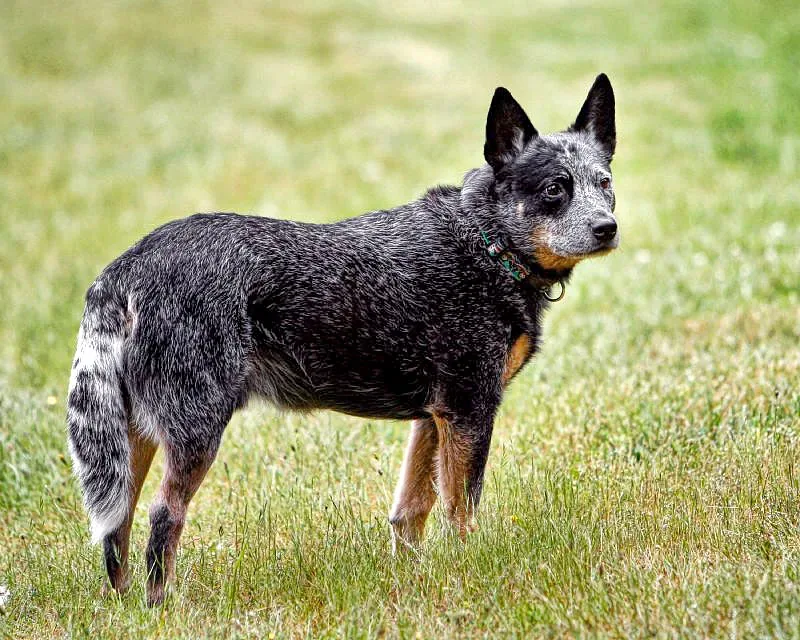
Australian Cattle Dog
Australian Cattle Dog cost planning centers on a tough, compact herding dog that is cheaper to keep than most working breeds its size. First-year spending typically lands near $4,455, settling to about $2,200 a year, or roughly $183 a month, once the dog is grown. Over a full life the total approaches $30,855.
Acquisition, surgical desexing, initial vet series, and starter hardware.
Normalized baseline at ~$183/month routine cash burn.
Projected over a 13-year Australian Cattle Dog lifespan.
$3,000 Liquid Reserve Mandate
Critical bufferA hardy working breed whose main costs are manageable inherited eye, ear, and joint conditions caught with routine screening rather than frequent emergency care.
Source: MetLife True Cost of Pet Emergencies 2025 (15% of owners hit $3,000+; uninsured surgery $3,000–8,000)
Biometric & phenotypic actuarial spec
What a Australian Cattle Dog costs, year by year
Cumulative spend across a 13-year life in today's dollars, with the same curve at 3% and 8% yearly inflation. Year 1 carries the acquisition and setup bill.
- Food & nutrition
- Vet & insurance
- Grooming & coat
- Setup & sundries
- - - - at 3% inflation: $36,614
- · · · at 8%: $49,545
Where the big bills land
Bars are routine one-off vet events (vaccine boosters, dental cleanings, bloodwork, spay/neuter). Diamonds are sourced condition treatments for this breed.
34th percentile
38th percentile
Ranked against 265 other dog breeds in this directory.
View as a table
| Year | Spend | Cumulative | Routine vet events |
|---|---|---|---|
| 1 | $4,455 | $4,455 | $735 |
| 2 | $2,200 | $6,655 | $77 |
| 3 | $2,200 | $8,855 | $543 |
| 4 | $2,200 | $11,055 | $164 |
| 5 | $2,200 | $13,255 | $620 |
| 6 | $2,200 | $15,455 | $164 |
| 7 | $2,200 | $17,655 | $543 |
| 8 | $2,200 | $19,855 | $241 |
| 9 | $2,200 | $22,055 | $543 |
| 10 | $2,200 | $24,255 | $492 |
| 11 | $2,200 | $26,455 | $784 |
| 12 | $2,200 | $28,655 | $328 |
| 13 | $2,200 | $30,855 | $707 |
- Elbow dysplasia: about $2,750 once, from year 2 (PetMD, Elbow Dysplasia in Dogs (petmd.com/dog/conditions/musculoskeletal/elbow-dysplasia-in-dogs), 2026-09, medium confidence)
Annual Cash Burn Matrix ($2,200/yr)
Continuous operational expenditure distributed across 5 core maintenance categories, indexed to metabolic demand and regional clinical rates.
Food
Source: Derived: veterinary MER formula + mid-tier dry kibble price (2026-01)
Vet Care
Source: Modeled estimate, not a sourced figure. Category basis: ASPCA / AAHA routine wellness composite (annual exam, vaccines, parasite control) x size 1 x risk 0.95 (2026-01)
Grooming
Source: Modeled estimate, not a sourced figure. Category basis: Rover / PetSmart service menu, short-coat baseline (grooming rating 2) x coat 1 (2026-01)
Pet Insurance
Source: Derived: NAPHIA State of the Industry 2025 (2024 data), accident & illness dog average x size 1 x risk 0.92 (2026-01)
Supplies & Toys
Source: Derived: Synchrony Pet Lifetime of Care 2025 (toy replacement $50–150/yr) plus routine consumables x size 1 (2026-01)
Upfront Entry CapEx
Purchase / Adoption Fee ($1,000), Initial Vet Visit & Vaccinations ($660), Starter Supplies ($475), Training Classes ($260), First Year Food ($549), First Year Vet Care ($627), First Year Grooming ($195), First Year Insurance ($689).
Comprehensive Lifecycle Ledger
Audited financial breakdown distinguishing immediate first-year fixed capitalization from ongoing annualized operating liabilities over the full 12–16 yrs canine lifespan.
| Expenditure Category | Year 01 Outlay | Annual Steady-State | Lifetime Total | Actuarial Sizing Methodology |
|---|---|---|---|---|
| Purchase / Adoption Fee | $1,000 | — | $1,000 | Varies by breeder vs rescue |
| Initial Vet Visit & Vaccinations | $660 | — | $660 | Spay/neuter, microchip, health check |
| Starter Supplies | $475 | — | $475 | Bed, crate, collar, bowls, toys |
| Training Classes | $260 | — | $260 | Basic obedience recommended |
| First Year Food | $549 | — | $549 | — |
| First Year Vet Care | $627 | — | $627 | — |
| First Year Grooming | $195 | — | $195 | — |
| First Year Insurance | $689 | — | $689 | — |
| Food | — | $549 | $7,137 | — |
| Vet Care | — | $627 | $8,151 | — |
| Grooming | — | $195 | $2,535 | — |
| Pet Insurance | — | $689 | $8,957 | — |
| Supplies & Toys | — | $140 | $1,820 | — |
| Gross Actuarial Expenditure | $4,455 | $2,200 / yr | $30,855 | Unadjusted baseline |
Actuarial Health Risk Profile (Tier 2)
A hardy working breed whose main costs are manageable inherited eye, ear, and joint conditions caught with routine screening rather than frequent emergency care.
Progressive Retinal Atrophy
An inherited breakdown of the retina that causes gradual, irreversible blindness and needs periodic ophthalmologist screening.
Hereditary deafness
Piebald-linked congenital deafness in one or both ears, common in the breed and confirmed with a BAER hearing test.
Hip Dysplasia
Malformed hip joints that cause pain and lameness with age, sometimes requiring imaging and surgical correction in an active dog.
- Typical treatment cost (one-time)
- $7,000–$9,000
medium confidence · Iowa State University Lloyd Veterinary Medical Center, Total Hip Replacement, 2026-09
Elbow dysplasia
Abnormal elbow joint development leading to chronic forelimb lameness in a breed that works hard on rough terrain.
- Typical treatment cost (one-time)
- $1,500–$4,000
Typically appears at age 0.5–6
medium confidence · PetMD, Elbow Dysplasia in Dogs, 2026-09
Costs are typical for the condition in general, not specific to the Australian Cattle Dog. See the Australian Cattle Dog cost timeline
What Truly Drives the Australian Cattle Dog’s Financial Profile
About the Australian Cattle Dog and its cost
Australian Cattle Dog cost starts modestly because this compact, muscular herder, often called a Blue Heeler for its mottled blue coat, was bred in the outback to work all day on minimal upkeep. Expect a mottled blue or red coat, sharp intelligence, and a strong instinct to nip at heels that needs early, structured training. A rescue adoption fee is low, while a working- or show-line puppy from a health-tested breeder runs higher. Budget $1,000 at acquisition and $660 for the first veterinary series. Because this breed is smart and stubborn, $260 for obedience work pays off quickly. First-year spending totals near $4,455, weighted toward one-time setup.
What drives Australian Cattle Dog costs
Size keeps most costs lower than a large-breed dog, so food, medication doses, and boarding fees stay reasonable, holding $549 to a moderate line item. The bigger driver is the breed's inherited profile. Progressive retinal atrophy needs periodic eye exams, hereditary deafness is confirmed with a one-time BAER test, and hip or elbow dysplasia can eventually mean imaging or joint support in a dog that stays active into its teens. These conditions shape Australian Cattle Dog vet bills and insurance pricing more than any single expensive syndrome. Grooming stays cheap for this short double coat, so the real recurring spending sits in the $627 vet line and $689 insurance line rather than the $195 grooming line.
Buying an Australian Cattle Dog puppy
The $1,000 budget assumes a breeder who screens hips, elbows, eyes and hearing, since heelers carry progressive retinal atrophy, hereditary deafness and hip and elbow dysplasia. A BAER hearing test is the heeler-specific check. A much lower listing may skip it, along with vaccines and registration. Ask for written results and a guarantee. Plan $660 for the first vet visit, then $2,200 a year.
Australian Cattle Dog first-year budget
The first year splits into one-time setup and recurring care. Setup includes $1,000 for the dog, $660 for the exam, vaccine series, and spay or neuter, $475 for a crate, bed, bowls, and leash, and $260 for obedience classes this independent breed benefits from. Those lines total $2,395. Recurring costs add $549 for a quality medium-breed diet, $627 for follow-up visits and parasite prevention, $195 for basic coat care, and $689 for an accident-and-illness policy, totaling $2,060. Combined, plan for $4,455 in the first twelve months.
Australian Cattle Dog yearly cost after year one
Once grown, yearly spending steadies near $2,200, about $183 a month. Food is a moderate line at $549 given the breed's medium frame and active metabolism. Insurance at $689 covers injury and illness risk from an athletic lifestyle. Routine veterinary care runs $627 for wellness exams, bloodwork, and preventives, with eye rechecks added as the dog ages. Grooming stays low at $195, and $140 covers durable toys and replacement gear for a dog that stays busy well into its teens.
Emergency fund for an Australian Cattle Dog
Set aside $3,000 in a dedicated account. The tier-driving risks here are progressive: hip or elbow dysplasia can eventually call for imaging or joint surgery, and vision loss from progressive retinal atrophy may need specialist follow-up. These are gradual rather than sudden emergencies, but an active dog also carries real injury risk from hard herding-style play. A funded reserve or a low insurance deductible protects against both the gradual and the sudden claim, keeping either from cutting into the $30,855 lifetime total unexpectedly.
Cutting Australian Cattle Dog costs
The biggest savings come from screening before purchase, not shopping around after. Choosing a puppy with confirmed hearing, eye clearance, and hip and elbow scores lowers the odds of the costlier interventions that inflate the $30,855 total. Keeping the dog lean and giving it a real daily job protects joints and curbs behavioral costs that come from an under-stimulated working breed. Insuring early converts unpredictable injury bills into a steady $183 cost, and handling grooming at home keeps the $2,200 baseline as low as this hardy breed allows.
5 Prudent Ways to Cut Australian Cattle Dog Costs
Confirm hearing and eyes before you commit
Ask for a BAER hearing test result and current eye clearance on any puppy, since both deafness and progressive retinal atrophy are common in the breed. Catching these before purchase avoids surprise costs and mismatched expectations.
Insure while young and healthy
Enroll in an accident-and-illness plan before any diagnosis so hip, elbow, or eye conditions are not excluded later. A cattle dog's active lifestyle means injury claims are common, and early enrollment keeps premiums lower.
Give this breed a real job
Herding trials, agility, or structured daily work channel their drive and prevent the destructive, anxiety-driven behavior that leads to costly vet and training bills. An under-worked Cattle Dog is the expensive version of this breed.
Screen hips and elbows early
OFA or PennHIP evaluation around age two flags joint problems before they progress. Early supplementation and weight management delay or reduce the need for surgical intervention later in life.
Keep the coat routine simple
This short double coat needs only a weekly brush and occasional bath, so skip professional grooming and redirect that money toward the emergency fund or insurance premium instead.
Peer Class Financial Comparisons
How the Australian Cattle Dog compares to morphological peers on annualized ownership cost.
Australian Cattle Dog
Frequently Asked Financial Questions
How much does an Australian Cattle Dog cost?
How much does it cost to own an Australian Cattle Dog?
Are Australian Cattle Dogs expensive to keep?
How much does an Australian Cattle Dog cost to adopt?
What is the average price of an Australian Cattle Dog puppy?
Do Australian Cattle Dogs have expensive health problems?
Is pet insurance worth it for an Australian Cattle Dog?
How much does it cost to feed an Australian Cattle Dog?
What should I ask an Australian Cattle Dog breeder before buying?
How long do Australian Cattle Dogs live?
Data sources
- Australian Cattle Dog — American Kennel Club (akc.org)
- Australian Cattle Dog — Wikipedia (en.wikipedia.org)
- Congenital Sensorineural Deafness — Vet Cornell (vet.cornell.edu)
Calculate Your Australian Cattle Dog Cost Adjusted by Metro ZIP Code
Veterinary surgical tariffs and clinical room rates vary widely between metropolitan regions and rural counties. Recalculate this dossier with your exact state, city, and lifestyle parameters.