
Border Collie Cost & Ownership Dossier
Border collie cost is shaped less by disease risk than by this famously high-energy herding breed's need for exercise, training, and mental stimulation. First-year spending typically runs near $4,639, settling to about $2,384 a year afterward, or roughly $199 a month. Across a full lifespan, ownership commonly approaches $33,247.
Executive cost summary
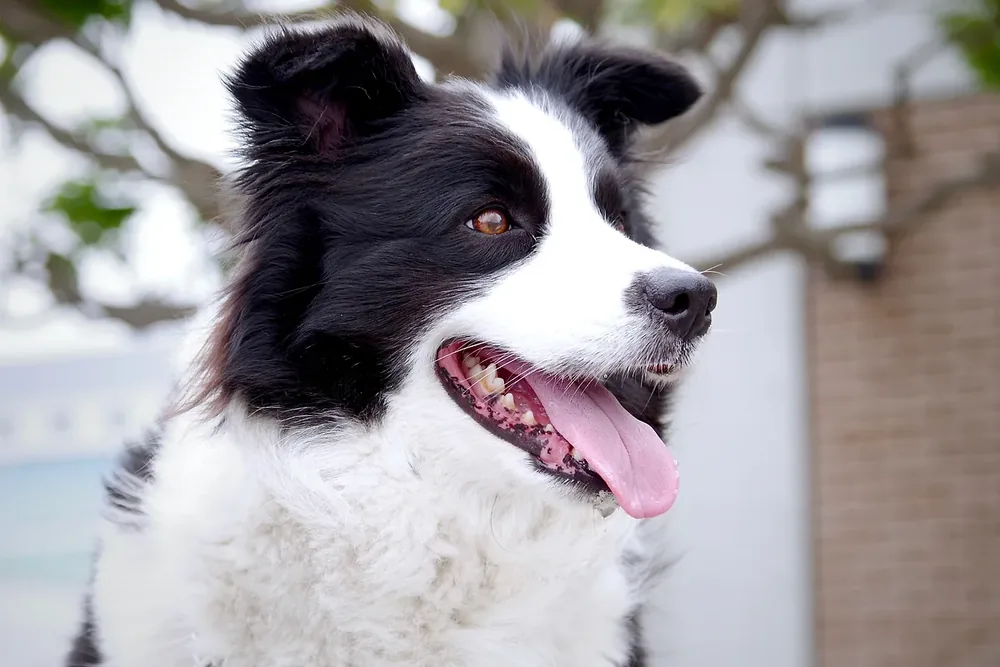
Border Collie
Border collie cost is shaped less by disease risk than by this famously high-energy herding breed's need for exercise, training, and mental stimulation. First-year spending typically runs near $4,639, settling to about $2,384 a year afterward, or roughly $199 a month. Across a full lifespan, ownership commonly approaches $33,247.
Acquisition, surgical desexing, initial vet series, and starter hardware.
Normalized baseline at ~$199/month routine cash burn.
Projected over a 13-year Border Collie lifespan.
$3,000 Liquid Reserve Mandate
Critical bufferBreed-average risk from a mix of manageable orthopedic and ocular conditions, plus a genetic drug-sensitivity mutation, without one dominant expensive syndrome.
Source: MetLife True Cost of Pet Emergencies 2025 (15% of owners hit $3,000+; uninsured surgery $3,000–8,000)
Biometric & phenotypic actuarial spec
Annual Cash Burn Matrix ($2,384/yr)
Continuous operational expenditure distributed across 5 core maintenance categories, indexed to metabolic demand and regional clinical rates.
Food
Vet Care
Grooming
Pet Insurance
Supplies & Toys
Upfront Entry CapEx
Purchase / Adoption Fee ($1,000), Initial Vet Visit & Vaccinations ($660), Starter Supplies ($475), Training Classes ($260), First Year Food ($523), First Year Vet Care ($660), First Year Grooming ($312), First Year Insurance ($749).
Comprehensive Lifecycle Ledger
Audited financial breakdown distinguishing immediate first-year fixed capitalization from ongoing annualized operating liabilities over the full 12–15 yrs canine lifespan.
| Expenditure Category | Year 01 Outlay | Annual Steady-State | Lifetime Total | Actuarial Sizing Methodology |
|---|---|---|---|---|
| Purchase / Adoption Fee | $1,000 | — | $1,000 | Varies by breeder vs rescue |
| Initial Vet Visit & Vaccinations | $660 | — | $660 | Spay/neuter, microchip, health check |
| Starter Supplies | $475 | — | $475 | Bed, crate, collar, bowls, toys |
| Training Classes | $260 | — | $260 | Basic obedience recommended |
| First Year Food | $523 | — | $523 | — |
| First Year Vet Care | $660 | — | $660 | — |
| First Year Grooming | $312 | — | $312 | — |
| First Year Insurance | $749 | — | $749 | — |
| Food | — | $523 | $6,799 | — |
| Vet Care | — | $660 | $8,580 | — |
| Grooming | — | $312 | $4,056 | — |
| Pet Insurance | — | $749 | $9,737 | — |
| Supplies & Toys | — | $140 | $1,820 | — |
| Gross Actuarial Expenditure | $4,639 | $2,384 / yr | $33,247 | Unadjusted baseline |
Actuarial Health Risk Profile (Tier 3)
Breed-average risk from a mix of manageable orthopedic and ocular conditions, plus a genetic drug-sensitivity mutation, without one dominant expensive syndrome.
Hip Dysplasia
A malformed hip joint that leads to arthritis in this active herding breed and can require lifelong management or surgery.
Collie eye anomaly
An inherited eye defect affecting retinal development that ranges from harmless to causing detachment and vision loss.
Epilepsy
A neurological seizure disorder documented in the breed that often requires lifelong daily medication once diagnosed.
MDR1 drug sensitivity
A genetic mutation carried by many herding-breed lines that causes dangerous reactions to certain common medications.
What Truly Drives the Border Collie’s Financial Profile
About the Border Collie and its cost
Border collie cost starts with widely regarded as the most intelligent dog breed, developed in the British Isles for herding sheep and now common in both working and companion homes. Its medium build keeps food and supply costs moderate, but its intense drive and trainability mean under-stimulated dogs often develop costly behavioral issues. A puppy from a health-tested breeder runs at $1,000, while rescue adoption is common given the breed's popularity and the number of owners unprepared for its energy. Add $660 for the first veterinary series and $475 for gear suited to an active dog. First-year spending typically reaches $4,639.
What drives Border Collie costs
Exercise and mental stimulation needs drive much of the ongoing border collie cost picture, since this breed requires far more daily activity and training than most, and unmet needs frequently translate into destructive behavior or reactivity requiring professional help. Hip dysplasia and collie eye anomaly are the two structural health conditions most likely to need veterinary attention, while a subset of dogs carry the MDR1 mutation that makes certain medications dangerous and requires genetic testing before treatment. Epilepsy, when present, adds a lifelong medication cost. $660 and $260 together represent the two most breed-specific lines in this dog's budget.
Border Collie first-year budget
Acquisition runs $1,000, whether from a breeder or through rescue, followed by $660 for the initial exam, vaccine series, and spay or neuter. Add $475 for gear suited to an active dog and $260 for foundational obedience, an important early investment given this breed's drive. One-time costs total $2,395. Recurring first-year expenses, covering $523, $660 visits, $312, and $749, add $2,244. Combined, the full first year lands near $4,639.
Border Collie yearly cost after year one
Steady-state ownership centers on $523 sized to a medium, active dog, $660 for wellness exams and orthopedic or eye monitoring, moderate $312 for the double coat's seasonal shedding, and $749 reflecting the breed's joint, eye, and neurological risk profile. Add $140 for the enrichment items this working breed needs to stay mentally satisfied. Altogether, annual costs settle near $2,384, or about $199 spread monthly.
Emergency fund for a Border Collie
Hip surgery is a likely draw on a $3,000 reserve if dysplasia progresses to the point of needing intervention. An eye evaluation and possible surgery for collie eye anomaly is a second, less common possibility. A seizure emergency from underlying epilepsy, or an adverse drug reaction in an MDR1 carrier given the wrong medication, round out the scenarios this reserve should cover. Keeping the fund liquid protects the $33,247 already budgeted for this long-lived, active breed.
Cutting Border Collie costs
Meeting this breed's exercise and mental stimulation needs consistently is the clearest way to avoid the behavioral problems that otherwise turn into costly training interventions. Testing for the MDR1 mutation early prevents a dangerous and expensive drug reaction. Choosing a breeder with hip and eye testing, or adopting through rescue, reduces both acquisition and long-term risk. None of this eliminates the $2,384 floor this active breed sets, but it lowers the odds of exceeding $199 in a given year and keeps $33,247 closer to the lower end.
5 Prudent Ways to Cut Border Collie Costs
Test for the MDR1 mutation early
A simple genetic test identifies whether your Border Collie carries the MDR1 mutation, which causes dangerous reactions to certain common drugs. Knowing this before any emergency lets your vet avoid unsafe medications entirely. The test is inexpensive relative to the risk it manages.
Provide daily structured exercise and mental work
This breed needs far more than a walk; herding games, agility, or scent work channel its drive productively and prevent the destructive behavior that leads to costly training interventions. A tired, engaged Border Collie is a healthier and cheaper dog to keep long-term. Consistency matters more than any single activity.
Buy from a breeder with hip and eye testing
Ask for OFA hip scores and a CAER eye certification on both parents before committing to a puppy. Health-tested lines reduce the odds of an expensive dysplasia or eye surgery later. This screening is standard practice among reputable Border Collie breeders.
Insure before any seizure or joint symptom
Enroll your Border Collie in accident-and-illness coverage while young, since epilepsy or hip dysplasia diagnosed later are excluded as pre-existing. A plan covering ongoing medication is valuable given epilepsy's lifelong treatment. Review coverage yearly rather than assuming it still fits.
Consider adoption through breed rescue
Border Collie-specific rescues place a steady stream of dogs, often surrendered by owners unprepared for the breed's energy, at a lower cost than a breeder puppy. Adopted dogs are frequently already house-trained and socialized. This meaningfully lowers acquisition cost without sacrificing quality of companionship.
Peer Class Financial Comparisons
How the Border Collie compares to morphological peers on annualized ownership cost.
Border Collie
Frequently Asked Financial Questions
How much does a Border Collie cost per month?
How much does a Border Collie cost per year?
Are Border Collies expensive to own?
How much is a Border Collie puppy?
Do Border Collies need pet insurance?
What is MDR1 in Border Collies?
Why is Border Collie training so important?
Data sources
- Border Collie — American Kennel Club (akc.org)
- Border Collie — Wikipedia (en.wikipedia.org)
- Pet Health Insurance — NAPHIA (naphia.org)
Calculate Your Border Collie Cost Adjusted by Metro ZIP Code
Veterinary surgical tariffs and clinical room rates vary widely between metropolitan regions and rural counties. Recalculate this dossier with your exact state, city, and lifestyle parameters.