
Bulldog Cost & Ownership Dossier
Bulldog cost runs high because the breed's signature look, a flat face, heavy wrinkles, and a compact frame, comes bundled with structural health problems rather than the occasional issue. Airway surgery, ongoing skin treatment, and joint management are common rather than rare across the breed's lifetime. $4,849 often includes early airway or skin intervention, and $25,601 reflects persistent, expensive care packed into a comparatively short lifespan.
Executive cost summary
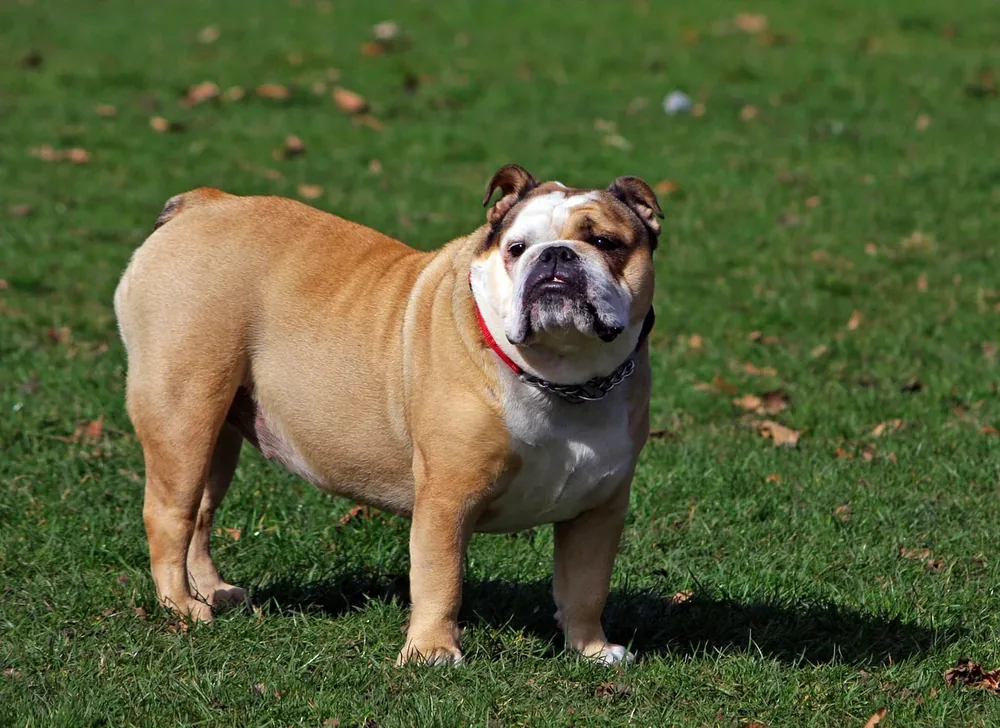
Bulldog
Bulldog cost runs high because the breed's signature look, a flat face, heavy wrinkles, and a compact frame, comes bundled with structural health problems rather than the occasional issue. Airway surgery, ongoing skin treatment, and joint management are common rather than rare across the breed's lifetime. $4,849 often includes early airway or skin intervention, and $25,601 reflects persistent, expensive care packed into a comparatively short lifespan.
Acquisition, surgical desexing, initial vet series, and starter hardware.
Normalized baseline at ~$216/month routine cash burn.
Projected over a 9-year Bulldog lifespan.
$3,000 Liquid Reserve Mandate
Critical bufferBrachycephalic airway disease, recurring skin infections, hip dysplasia, and near-universal cesarean whelping combine into one of the highest chronic veterinary cost profiles of any common breed.
Source: MetLife True Cost of Pet Emergencies 2025 (15% of owners hit $3,000+; uninsured surgery $3,000–8,000)
Biometric & phenotypic actuarial spec
Annual Cash Burn Matrix ($2,594/yr)
Continuous operational expenditure distributed across 5 core maintenance categories, indexed to metabolic demand and regional clinical rates.
Food
Vet Care
Grooming
Pet Insurance
Supplies & Toys
Upfront Entry CapEx
Purchase / Adoption Fee ($1,000), Initial Vet Visit & Vaccinations ($660), Starter Supplies ($475), Training Classes ($260), First Year Food ($420), First Year Vet Care ($805), First Year Grooming ($195), First Year Insurance ($1,034).
Comprehensive Lifecycle Ledger
Audited financial breakdown distinguishing immediate first-year fixed capitalization from ongoing annualized operating liabilities over the full 8–10 yrs canine lifespan.
| Expenditure Category | Year 01 Outlay | Annual Steady-State | Lifetime Total | Actuarial Sizing Methodology |
|---|---|---|---|---|
| Purchase / Adoption Fee | $1,000 | — | $1,000 | Varies by breeder vs rescue |
| Initial Vet Visit & Vaccinations | $660 | — | $660 | Spay/neuter, microchip, health check |
| Starter Supplies | $475 | — | $475 | Bed, crate, collar, bowls, toys |
| Training Classes | $260 | — | $260 | Basic obedience recommended |
| First Year Food | $420 | — | $420 | — |
| First Year Vet Care | $805 | — | $805 | — |
| First Year Grooming | $195 | — | $195 | — |
| First Year Insurance | $1,034 | — | $1,034 | — |
| Food | — | $420 | $3,780 | — |
| Vet Care | — | $805 | $7,245 | — |
| Grooming | — | $195 | $1,755 | — |
| Pet Insurance | — | $1,034 | $9,306 | — |
| Supplies & Toys | — | $140 | $1,260 | — |
| Gross Actuarial Expenditure | $4,849 | $2,594 / yr | $25,601 | Unadjusted baseline |
Actuarial Health Risk Profile (Tier 5)
Brachycephalic airway disease, recurring skin infections, hip dysplasia, and near-universal cesarean whelping combine into one of the highest chronic veterinary cost profiles of any common breed.
Brachycephalic airway syndrome
The shortened muzzle and narrow airway obstruct normal breathing, and many dogs eventually need surgery to widen the nostrils or trim the soft palate.
Skin Fold Dermatitis
Deep facial and body wrinkles trap moisture and bacteria, causing recurring infections that need regular cleaning and periodic medicated treatment.
Hip Dysplasia
A compact, heavy-boned frame stresses the hip joints, and degenerative joint disease is common enough to warrant lifelong weight and mobility management.
Dystocia (Difficult Birth)
The breed's proportions make natural whelping risky, and most litters are delivered by planned cesarean section under veterinary supervision.
What Truly Drives the Bulldog’s Financial Profile
About the Bulldog and its cost
The Bulldog, often called the English or British Bulldog, is one of the most recognizable companion breeds, prized for its loyal, low-key temperament and unmistakable wrinkled, flat-faced look. That same look is the product of extreme brachycephalic breeding, and it is the central reason Bulldog cost runs well above the average for a medium-sized dog. High demand keeps $1,000 elevated even before health considerations enter the picture, and breeders who health-test and whelp responsibly, often via planned cesarean, charge accordingly. Low energy keeps exercise-related costs down, one of the few genuine savings areas for this breed, but it does little to offset the recurring veterinary spend that defines Bulldog ownership from puppyhood through the breed's shortened senior years.
What drives Bulldog costs
Brachycephalic airway syndrome is the single largest driver, since even moderately affected dogs struggle in heat and exertion, and severely affected dogs often need corrective surgery captured inside $805. Skin fold dermatitis is close behind, a chronic rather than occasional problem that requires ongoing cleaning supplies and periodic medicated treatment for infected folds. Hip dysplasia adds a third layer, common enough in this heavy-boned breed to justify early screening and long-term joint support. Finally, the breed's proportions make natural birth dangerous, so breeding-related costs, and by extension purchase price, reflect the near-universal need for planned cesarean delivery.
Bulldog first-year budget
The first year begins with a high $1,000 reflecting strong demand and responsible breeding costs, followed by $660 that should include an early airway assessment alongside standard vaccinations. $475 should include skin-fold cleaning supplies from day one, since dermatitis prevention starts in puppyhood. $260 matters less for exercise but still supports household manners given the breed's stubborn streak. Add $420, a notably active $805 line, $195, and $1,034 across the year, and $2,395 plus $2,454 combine into $4,849, typically the most expensive single year most owners will face.
Bulldog yearly cost after year one
Ongoing costs remain elevated relative to a similarly sized average breed, with $805 carrying the heaviest weight due to recurring skin, airway, and joint monitoring. $420 stays moderate given the dog's low energy and modest exercise needs, while $195 covers regular bathing and wrinkle care rather than coat styling. $1,034 is close to essential given how common the breed's chronic conditions are, and $140 should include ongoing skin-care supplies. $2,594 totals the year, with $216 giving a workable monthly figure for budgeting.
Emergency fund for a Bulldog
This breed's $3,000 needs to be sized generously, since a respiratory crisis, an urgent skin infection, or a sudden joint flare-up are all realistic possibilities rather than rare events. Airway surgery, if it becomes necessary, is a significant planned or emergency expense depending on how early it's caught. Because these conditions are structural rather than incidental, a Bulldog owner should treat the reserve as a near-certainty rather than a hedge, planning against $25,601 rather than hoping a single healthy year is representative.
Cutting Bulldog costs
Strict skin-fold hygiene and weight management are the two highest-leverage habits, since both directly reduce the odds of the breed's most common and recurring vet visits. Avoiding heat and overexertion lowers the risk of a respiratory emergency that would otherwise strain $3,000. Enrolling in insurance while the puppy is young, before any of the breed's common conditions are diagnosed, keeps $1,034 more useful over the dog's life. These steps won't bring $2,594 down to the level of a structurally average breed, but they meaningfully narrow the gap and can measurably reduce $25,601 over time.
5 Prudent Ways to Cut Bulldog Costs
Clean skin folds on a strict schedule
Daily or near-daily wiping of facial and body wrinkles prevents the moisture buildup that leads to costly infections. A consistent routine is far cheaper than treating an established skin infection.
Manage weight aggressively
Excess weight worsens both airway restriction and joint stress, the breed's two biggest cost drivers. Keeping the dog lean is one of the most effective ways to reduce both $805 visits and long-term joint decline.
Avoid heat and strenuous exercise
Heat and exertion are the most common triggers for a brachycephalic breathing crisis. Scheduling outdoor time for cool hours and keeping activity gentle reduces the risk of an emergency vet visit.
Screen airway grade early
A veterinary assessment of airway severity in the first year helps you plan for possible corrective surgery before it becomes an emergency. Early, planned surgery is generally less costly than crisis intervention.
Insure before any diagnosis is made
Because airway, skin, and joint issues are so common in this breed, enrolling in insurance while the puppy is young avoids pre-existing condition exclusions. This single step can meaningfully lower $1,034 costs relative to lifetime vet spend.
Peer Class Financial Comparisons
How the Bulldog compares to morphological peers on annualized ownership cost.
Bulldog
pug
Frequently Asked Financial Questions
How much does an English Bulldog cost?
Why are Bulldogs so expensive?
Is a Bulldog expensive to own?
What are the yearly costs of owning a Bulldog?
How much does it cost to adopt a Bulldog?
How much does Bulldog c-section cost?
How much are Bulldog vet bills?
Does a Bulldog need airway surgery?
Data sources
- Herding Group: Kelpie — American Kennel Club (akc.org)
- Bulldog — Wikipedia (en.wikipedia.org)
- Pet Health Insurance — NAPHIA (naphia.org)
Calculate Your Bulldog Cost Adjusted by Metro ZIP Code
Veterinary surgical tariffs and clinical room rates vary widely between metropolitan regions and rural counties. Recalculate this dossier with your exact state, city, and lifestyle parameters.