
Cymric Cost & Ownership Dossier
Cymric cat cost centers on a long-haired, tailless cousin of the Manx whose signature gene brings both charm and a real spinal health risk. First-year ownership typically runs near $2,458, dropping to about $1,148 a year, or roughly $96 a month, once grooming and setup are behind you. Across a full lifespan, total spending approaches $17,382.
Executive cost summary
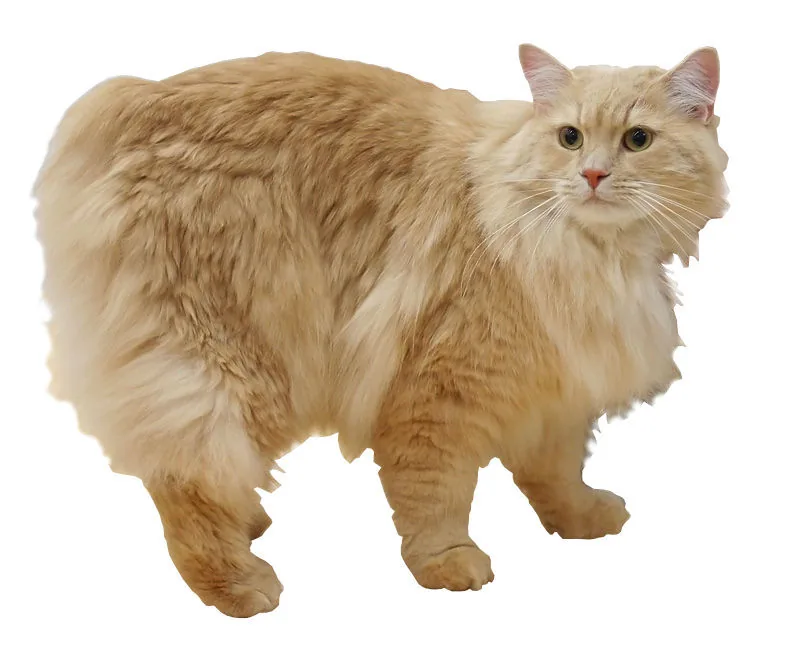
Cymric
Cymric cat cost centers on a long-haired, tailless cousin of the Manx whose signature gene brings both charm and a real spinal health risk. First-year ownership typically runs near $2,458, dropping to about $1,148 a year, or roughly $96 a month, once grooming and setup are behind you. Across a full lifespan, total spending approaches $17,382.
Acquisition, surgical desexing, initial vet series, and starter hardware.
Normalized baseline at ~$96/month routine cash burn.
Projected over a 14-year Cymric lifespan.
$2,000 Liquid Reserve Mandate
Critical bufferThe taillessness gene that defines the breed also carries Manx syndrome, a spinal malformation that can cause lifelong bladder, bowel, and mobility complications requiring ongoing management.
Source: MetLife True Cost of Pet Emergencies 2025 (15% of owners hit $3,000+; uninsured surgery $3,000–8,000)
Biometric & phenotypic actuarial spec
Annual Cash Burn Matrix ($1,148/yr)
Continuous operational expenditure distributed across 5 core maintenance categories, indexed to metabolic demand and regional clinical rates.
Food
Vet Care
Grooming
Pet Insurance
Supplies & Toys
Upfront Entry CapEx
Purchase / Adoption Fee ($800), Initial Vet Visit & Vaccinations ($300), Starter Supplies ($260), Litter & Behavior Basics ($40), First Year Food ($214), First Year Vet Care ($286), First Year Grooming ($156), First Year Insurance ($402).
Comprehensive Lifecycle Ledger
Audited financial breakdown distinguishing immediate first-year fixed capitalization from ongoing annualized operating liabilities over the full 12–16 yrs feline lifespan.
| Expenditure Category | Year 01 Outlay | Annual Steady-State | Lifetime Total | Actuarial Sizing Methodology |
|---|---|---|---|---|
| Purchase / Adoption Fee | $800 | — | $800 | Varies by breeder vs rescue |
| Initial Vet Visit & Vaccinations | $300 | — | $300 | Spay/neuter, microchip, health check |
| Starter Supplies | $260 | — | $260 | Litter box, scratching post, carrier, bowls |
| Litter & Behavior Basics | $40 | — | $40 | Litter box training, scratching post basics |
| First Year Food | $214 | — | $214 | — |
| First Year Vet Care | $286 | — | $286 | — |
| First Year Grooming | $156 | — | $156 | — |
| First Year Insurance | $402 | — | $402 | — |
| Food | — | $214 | $2,996 | — |
| Vet Care | — | $286 | $4,004 | — |
| Grooming | — | $156 | $2,184 | — |
| Pet Insurance | — | $402 | $5,628 | — |
| Supplies & Toys | — | $90 | $1,260 | — |
| Gross Actuarial Expenditure | $2,458 | $1,148 / yr | $17,382 | Unadjusted baseline |
Actuarial Health Risk Profile (Tier 4)
The taillessness gene that defines the breed also carries Manx syndrome, a spinal malformation that can cause lifelong bladder, bowel, and mobility complications requiring ongoing management.
Manx syndrome (sacrocaudal dysgenesis)
A malformation of the lower spine tied to the same gene that removes the tail, which can damage nerves controlling the bladder, bowel, and hind legs.
Megacolon
Chronic constipation from spinal nerve damage that can require lifelong dietary management or surgery to remove the affected section of bowel.
Osteoarthritis of the spine
Fused or shortened vertebrae wear unevenly with age, leading to stiffness and pain that benefits from long-term joint management.
What Truly Drives the Cymric’s Financial Profile
About the Cymric and its cost
Cymric cat cost starts with a cat that looks like a fluffy Manx: a rounded rump, short or absent tail, and a plush double coat that needs regular brushing to stay mat-free. Reputable breeders screen kittens carefully for spinal and bowel function before sale, which keeps $800 moderate but not low for a specialty breed. New owners should plan $300 for the first exam and vaccine series, plus $260 for a coat brush, litter setup, and soft bedding suited to a cat with a shortened spine. First-year spending lands near $2,458, with the coat and the spinal screening as the two notable line items.
What drives Cymric costs
The tailless gene that defines the Cymric is linked to Manx syndrome, a spinal malformation that can affect bladder control, bowel movement, and hind-leg mobility, sometimes requiring lifelong medication or corrective surgery. Cats affected early in life tend to show signs before their first year, which is why breeders screen so carefully and why insurance underwriters price the breed a little higher. On top of that genetic risk, the long double coat needs weekly brushing to prevent mats, keeping $156 higher than a shorthaired cat. Together, spinal risk and coat care push $286 and $402 above what a typical mixed-breed cat costs.
Cymric first-year budget
One-time costs include $800 for a kitten from a screened litter, $300 for the first exam, vaccines, and spay or neuter, and $260 for a coat brush, litter box, and soft bedding; $40 is rarely needed for a cat. These sum to $1,400. Recurring first-year costs add $214, $286 for follow-up visits and a spinal function check, $156 for coat maintenance, and $402, totaling $1,058. Combined, plan for $2,458 in the first year, with coat care and screening as the notable extras beyond a typical shorthaired cat.
Cymric yearly cost after year one
Once past kittenhood, yearly spending settles near $1,148, about $96 a month. Insurance at $402 runs a little higher than average given the breed's spinal risk. Food at $214 is unremarkable for a medium-size cat. Routine veterinary care at $286 should include a check of bowel and bladder function alongside the standard wellness exam. Grooming at $156 reflects a brush, occasional bath, and mat-prevention spray, while $90 covers replacement bedding and coat tools.
Emergency fund for a Cymric
Keep $2,000 set aside specifically for Manx syndrome complications: a sudden loss of bladder or bowel control can require imaging, specialist referral, and sometimes surgery to manage megacolon. Spinal arthritis flare-ups later in life add smaller but recurring costs. Because these problems trace back to the same gene that defines the breed, they are not avoidable through lifestyle choices alone. A funded reserve, or an insurance policy with a deductible you can cover on short notice, keeps a spinal emergency from disrupting the $17,382 lifetime budget.
Cutting Cymric costs
Choosing a kitten from a litter already screened for spinal and bowel function is the single most effective way to protect the $17,382 lifetime estimate, since it avoids the breed's costliest possible complication. Handling coat brushing at home instead of paying a groomer trims a recurring cost with no health tradeoff. Insuring early converts an unpredictable Manx syndrome bill into a steady piece of $96. Feeding a consistent, appropriate diet supports normal digestion and can reduce the frequency of bowel-related vet visits over time.
5 Prudent Ways to Cut Cymric Costs
Buy from a spine-screened litter
Ask the breeder how kittens were evaluated for bowel and bladder function before sale, and avoid any litter where a breeder cannot describe this screening. Kittens cleared early rarely develop Manx syndrome later, which is the single biggest cost risk in the breed.
Brush weekly, not daily
A once- or twice-weekly brushing session with a slicker brush keeps the Cymric's plush coat mat-free without professional grooming. Catching tangles early around the rear end also helps you notice early signs of bowel or hygiene trouble sooner.
Insure before the cat is grown
Manx syndrome symptoms typically appear early, so enroll a Cymric kitten in insurance as soon as it comes home rather than waiting. A policy in place before any spinal sign is the only way to keep that condition covered if it appears.
Watch litter box habits closely
Track how easily and how often your Cymric urinates and defecates, since subtle changes are often the first sign of spinal nerve involvement. Reporting a change promptly keeps a manageable issue from becoming an emergency.
Keep the diet consistent and fiber-appropriate
A steady, appropriate-fiber diet supports normal bowel movement in a cat with any degree of spinal nerve involvement. Switching foods less often also reduces digestive upset that can mask or worsen early megacolon symptoms.
Peer Class Financial Comparisons
How the Cymric compares to morphological peers on annualized ownership cost.
Cymric
Frequently Asked Financial Questions
How much does a Cymric kitten cost?
Is a Cymric the same as a long-haired Manx?
How much does it cost to own a Cymric cat per month?
What health problems do Cymric cats have?
Are Cymric cats expensive to insure?
Do Cymric cats need a lot of grooming?
What is the lifetime cost of a Cymric cat?
Data sources
- Manx cat — Wikipedia (en.wikipedia.org)
- Megacolon in Cats — Merck Veterinary Manual (merckvetmanual.com)
- Osteoarthritis in Cats — VCA Animal Hospitals (vcahospitals.com)
Calculate Your Cymric Cost Adjusted by Metro ZIP Code
Veterinary surgical tariffs and clinical room rates vary widely between metropolitan regions and rural counties. Recalculate this dossier with your exact state, city, and lifestyle parameters.