
How Much Does a Dogo Argentino Cost Per Year?
Dogo Argentino cost starts with a purchase or adoption fee but grows fastest around vet care, since this large, muscular breed carries real orthopedic and cancer risk. Expect $5,418 in the first year and $2,973 every year after that the dog is healthy. Insurance and an emergency fund matter more here than for smaller, lower-risk breeds.
Executive cost summary
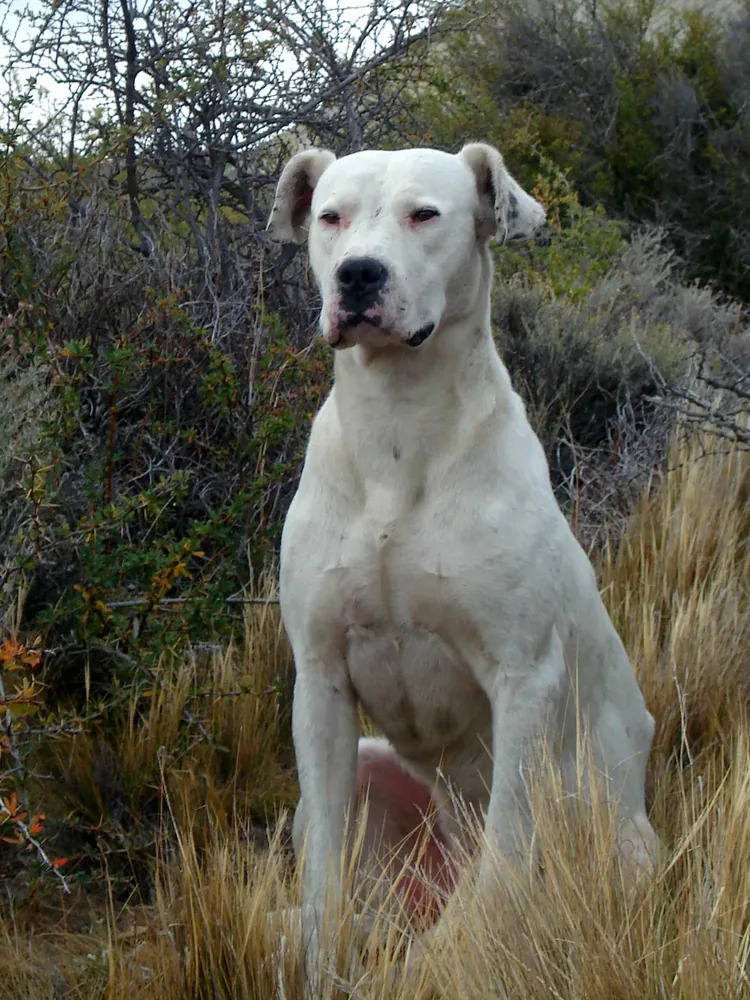
Dogo Argentino
Dogo Argentino cost starts with a purchase or adoption fee but grows fastest around vet care, since this large, muscular breed carries real orthopedic and cancer risk. Expect $5,418 in the first year and $2,973 every year after that the dog is healthy. Insurance and an emergency fund matter more here than for smaller, lower-risk breeds.
Acquisition, surgical desexing, initial vet series, and starter hardware.
Normalized baseline at ~$248/month routine cash burn.
Projected over a 12-year Dogo Argentino lifespan.
$4,000 Liquid Reserve Mandate
Critical bufferElevated orthopedic, oncologic, and bloat risk in a large, powerful breed drives recurring diagnostic and emergency-care costs.
Source: MetLife True Cost of Pet Emergencies 2025 (15% of owners hit $3,000+; uninsured surgery $3,000–8,000)
Biometric & phenotypic actuarial spec
What a Dogo Argentino costs, year by year
Cumulative spend across a 12-year life in today's dollars, with the same curve at 3% and 8% yearly inflation. Year 1 carries the acquisition and setup bill.
- Food & nutrition
- Vet & insurance
- Grooming & coat
- Setup & sundries
- - - - at 3% inflation: $44,638
- · · · at 8%: $58,864
Where the big bills land
Bars are routine one-off vet events (vaccine boosters, dental cleanings, bloodwork, spay/neuter). Diamonds are sourced condition treatments for this breed.
83rd percentile
89th percentile
Ranked against 265 other dog breeds in this directory.
View as a table
| Year | Spend | Cumulative | Routine vet events |
|---|---|---|---|
| 1 | $5,418 | $5,418 | $751 |
| 2 | $2,973 | $8,391 | $77 |
| 3 | $2,973 | $11,364 | $543 |
| 4 | $2,973 | $14,337 | $164 |
| 5 | $2,973 | $17,310 | $620 |
| 6 | $2,973 | $20,283 | $164 |
| 7 | $2,973 | $23,256 | $543 |
| 8 | $2,973 | $26,229 | $241 |
| 9 | $2,973 | $29,202 | $871 |
| 10 | $2,973 | $32,175 | $328 |
| 11 | $2,973 | $35,148 | $784 |
| 12 | $2,973 | $38,121 | $328 |
- Gastric dilatation-volvulus (bloat): about $4,750 once, from year 12 (MetLife Pet Insurance, Bloat in Dogs (metlifepetinsurance.com/blog/pet-health/bloat-in-dogs), 2026-09, medium confidence)
Annual Cash Burn Matrix ($2,973/yr)
Continuous operational expenditure distributed across 5 core maintenance categories, indexed to metabolic demand and regional clinical rates.
Food
Source: Derived: veterinary MER formula + mid-tier dry kibble price (2026-01)
Vet Care
Source: Modeled estimate, not a sourced figure. Category basis: ASPCA / AAHA routine wellness composite (annual exam, vaccines, parasite control) x size 1.06 x risk 1.1 (2026-01)
Grooming
Source: Modeled estimate, not a sourced figure. Category basis: Rover / PetSmart service menu, short-coat baseline (grooming rating 2) x coat 0.4 (2026-01)
Pet Insurance
Source: Derived: NAPHIA State of the Industry 2025 (2024 data), accident & illness dog average x size 1.08 x risk 1.18 (2026-01)
Supplies & Toys
Source: Derived: Synchrony Pet Lifetime of Care 2025 (toy replacement $50–150/yr) plus routine consumables x size 1.15 (2026-01)
Upfront Entry CapEx
Purchase / Adoption Fee ($1,100), Initial Vet Visit & Vaccinations ($700), Starter Supplies ($546), Training Classes ($260), First Year Food ($1,009), First Year Vet Care ($770), First Year Grooming ($78), First Year Insurance ($955).
Comprehensive Lifecycle Ledger
Audited financial breakdown distinguishing immediate first-year fixed capitalization from ongoing annualized operating liabilities over the full 9–15 yrs canine lifespan.
| Expenditure Category | Year 01 Outlay | Annual Steady-State | Lifetime Total | Actuarial Sizing Methodology |
|---|---|---|---|---|
| Purchase / Adoption Fee | $1,100 | — | $1,100 | Varies by breeder vs rescue |
| Initial Vet Visit & Vaccinations | $700 | — | $700 | Spay/neuter, microchip, health check |
| Starter Supplies | $546 | — | $546 | Bed, crate, collar, bowls, toys |
| Training Classes | $260 | — | $260 | Basic obedience recommended |
| First Year Food | $1,009 | — | $1,009 | — |
| First Year Vet Care | $770 | — | $770 | — |
| First Year Grooming | $78 | — | $78 | — |
| First Year Insurance | $955 | — | $955 | — |
| Food | — | $1,009 | $12,108 | — |
| Vet Care | — | $770 | $9,240 | — |
| Grooming | — | $78 | $936 | — |
| Pet Insurance | — | $955 | $11,460 | — |
| Supplies & Toys | — | $161 | $1,932 | — |
| Gross Actuarial Expenditure | $5,418 | $2,973 / yr | $38,121 | Unadjusted baseline |
Actuarial Health Risk Profile (Tier 4)
Elevated orthopedic, oncologic, and bloat risk in a large, powerful breed drives recurring diagnostic and emergency-care costs.
Hip Dysplasia
A large, athletic build puts steady load on the hips, and malformed joints can mean lifelong arthritis management or surgery.
- Typical treatment cost (one-time)
- $7,000–$9,000
medium confidence · Iowa State University Lloyd Veterinary Medical Center, Total Hip Replacement, 2026-09
Congenital deafness
The breed's predominantly white coat is linked to a higher rate of pigment-associated deafness, which some breeders screen for with BAER testing before placement.
Osteosarcoma
Large, deep-chested breeds carry an elevated lifetime risk of bone cancer, which typically shows up as costly imaging, amputation, and oncology consults.
Typically appears around age 7
low confidence
Gastric dilatation-volvulus (bloat)
A deep chest raises the risk of a twisted stomach, an emergency that needs immediate surgery and overnight hospitalization to survive.
- Typical treatment cost (one-time)
- $2,000–$7,500
Typically appears at age 9–12
medium confidence · MetLife Pet Insurance, Bloat in Dogs, 2026-09
Costs are typical for the condition in general, not specific to the Dogo Argentino. See the Dogo Argentino cost timeline
What Truly Drives the Dogo Argentino’s Financial Profile
About the Dogo Argentino and its cost
The Dogo Argentino is a large, all-white hunting mastiff bred in Argentina to track big game, and that working heritage shows up in its size, muscle mass, and appetite. Because it is a large-breed, high-energy working dog, ownership costs skew toward food volume, structured training, and orthopedic-aware vet care rather than grooming, since the short coat needs almost no maintenance. Buyers should budget for a reputable breeder who BAER-tests litters for deafness, or expect a lower adoption fee through breed-specific rescue. Either way, the first year carries the heaviest one-time spending before costs settle into a steadier annual pattern.
What drives Dogo Argentino costs
Size and breed-specific health risk set the budget here. At a large adult weight, food and medication doses cost more per year than for a small dog, and this breed's predisposition toward hip dysplasia, bone cancer, and bloat means diagnostics and potential surgery are more likely than average. Because the breed is restricted or banned in some cities and countries, owners sometimes pay extra for liability insurance riders or specialized homeowner coverage. Training costs also run higher, since this powerful, protective dog needs consistent socialization and obedience work from a professional trainer to stay manageable.
White coat, deafness and a hunting build
The Dogo Argentino is an 80 to 100 pound white hunting dog. The predominantly white coat is linked to pigment-associated deafness, so a BAER hearing test on puppies is essential. Sun exposure on pink skin is another concern. The deep chest raises bloat risk, $2,000 to $7,500 on this page's data, and hip dysplasia costs $7,000 to $9,000 per hip. Osteosarcoma is an elevated risk. The short coat needs little grooming. Annual cost is $2,973 and lifetime $38,121. Legal restrictions on the breed exist in some places, so check local rules before buying.
Dogo Argentino first-year budget
The first year combines a one-time $2,606, covering $1,100, $700, $546, and $260, with a $2,812 in ongoing costs across $1,009, $770, $78, and $955. Together these land at a $5,418 first-year total. Training spending runs higher than for smaller breeds because early socialization and obedience work matter more with a dog this size and temperament, and most owners also budget for a larger crate and heavier-duty gear than a mid-size breed would need.
Dogo Argentino yearly cost after year one
Once the one-time setup is behind you, annual ownership settles into $1,009, $770, $78, $955, and $161, totaling $2,973 a year, or roughly $248 a month. Food remains the largest recurring line given the breed's size, and insurance stays a meaningful share of the budget given the orthopedic and cancer risk profile, so owners who drop coverage to save money often end up paying more out of pocket the year a claim actually happens.
Emergency fund for a Dogo Argentino
A reserve of $4,000 is a reasonable minimum, sized for the breed's real risks: bloat surgery, a torn ligament from an athletic frame, or cancer diagnostics and treatment. Any of these can arrive without warning, and the fund is what keeps a health crisis from becoming a financial one. Across a typical lifespan, total ownership can reach $38,121, and the emergency fund is the buffer against the worst single-event spikes inside that figure.
Cutting Dogo Argentino costs
The biggest lever on $38,121 is preventing the expensive outcomes in the first place: health-tested breeding stock, weight management to protect joints, and insurance enrolled before any symptoms appear. Beyond that, buying food and supplies in bulk and using group training classes instead of private sessions keeps the $248 figure down without cutting corners on care that actually matters for this breed's risk profile.
5 Prudent Ways to Cut Dogo Argentino Costs
Get hips and hearing screened before buying
Ask any breeder for OFA hip scores and BAER hearing test results on the litter. Paying more upfront for a health-tested puppy reduces the odds of expensive orthopedic or deafness-related costs later.
Enroll in pet insurance as a young puppy
Lock in $955 coverage before any joint or cancer symptoms appear, since pre-existing conditions get excluded later. Early enrollment is the cheapest way to blunt a large surgical bill.
Buy large-breed food in bulk
A dog this size eats through food quickly, so buying a large-breed formula in bulk from a warehouse retailer trims the recurring $1,009 line without downgrading nutrition quality.
Handle training in a group class, not private sessions
Group obedience classes cost a fraction of one-on-one training and still deliver the socialization this breed needs. Save private sessions for specific behavioral issues rather than baseline manners.
Feed on a slow-feed schedule to reduce bloat risk
Slow feeders and split meals lower the odds of gastric dilatation-volvulus, an emergency that can otherwise wipe out a year of savings in one hospital visit. This is a cheap habit that guards against the costliest outcome.
Peer Class Financial Comparisons
How the Dogo Argentino compares to morphological peers on annualized ownership cost.
Dogo Argentino
Frequently Asked Financial Questions
How much does a Dogo Argentino puppy cost from a breeder?
Why are Dogo Argentinos so expensive?
How much does it cost to adopt a Dogo Argentino?
What is the monthly cost of owning a Dogo Argentino?
How much do premium bloodline Dogo Argentinos cost?
Is a Dogo Argentino expensive to insure?
What are typical Dogo Argentino vet bills?
Does homeowners insurance cost more with a Dogo Argentino?
Do Dogo Argentino and Pitbull mix puppies cost less?
Are Dogo Argentinos banned anywhere?
Why are white Dogos prone to deafness?
Data sources
- Dogo Argentino Breed Standard — AKC (akc.org)
- Dogo Argentino — Wikipedia (en.wikipedia.org)
- Section 3: Average Pet Insurance Premiums — NAPHIA (naphia.org)
- Choosing a Responsible Dog Breeder — ASPCA (aspca.org)
Calculate Your Dogo Argentino Cost Adjusted by Metro ZIP Code
Veterinary surgical tariffs and clinical room rates vary widely between metropolitan regions and rural counties. Recalculate this dossier with your exact state, city, and lifestyle parameters.