
Bullmastiff Cost & Ownership Dossier
Bullmastiff cost reflects both massive scale and a genuinely elevated health-risk profile, a combination that pushes this guardian breed toward the expensive end of dog ownership. Bloat risk, joint disease, and a documented predisposition to cancer and cardiac issues all compound with the sheer volume this giant-breed dog consumes. $6,175 covers acquisition and early screening, while $32,791 reflects a compressed but demanding lifespan for a giant guardian breed.
Executive cost summary
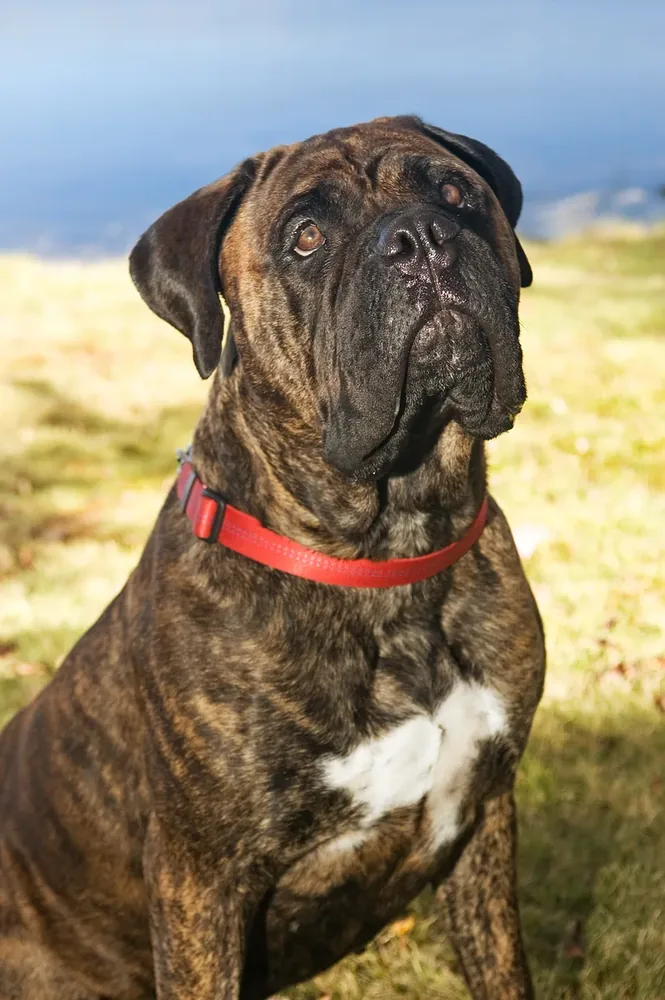
Bullmastiff
Bullmastiff cost reflects both massive scale and a genuinely elevated health-risk profile, a combination that pushes this guardian breed toward the expensive end of dog ownership. Bloat risk, joint disease, and a documented predisposition to cancer and cardiac issues all compound with the sheer volume this giant-breed dog consumes. $6,175 covers acquisition and early screening, while $32,791 reflects a compressed but demanding lifespan for a giant guardian breed.
Acquisition, surgical desexing, initial vet series, and starter hardware.
Normalized baseline at ~$277/month routine cash burn.
Projected over a 9-year Bullmastiff lifespan.
$5,000 Liquid Reserve Mandate
Critical bufferHigh bloat risk, elevated cancer incidence, cardiac predisposition, and giant-breed orthopedic disease stack into one of the highest-cost risk profiles among working guardian breeds.
Source: MetLife True Cost of Pet Emergencies 2025 (15% of owners hit $3,000+; uninsured surgery $3,000–8,000)
Biometric & phenotypic actuarial spec
Annual Cash Burn Matrix ($3,327/yr)
Continuous operational expenditure distributed across 5 core maintenance categories, indexed to metabolic demand and regional clinical rates.
Food
Vet Care
Grooming
Pet Insurance
Supplies & Toys
Upfront Entry CapEx
Purchase / Adoption Fee ($1,400), Initial Vet Visit & Vaccinations ($752), Starter Supplies ($618), Training Classes ($260), First Year Food ($909), First Year Vet Care ($918), First Year Grooming ($78), First Year Insurance ($1,240).
Comprehensive Lifecycle Ledger
Audited financial breakdown distinguishing immediate first-year fixed capitalization from ongoing annualized operating liabilities over the full 8–10 yrs canine lifespan.
| Expenditure Category | Year 01 Outlay | Annual Steady-State | Lifetime Total | Actuarial Sizing Methodology |
|---|---|---|---|---|
| Purchase / Adoption Fee | $1,400 | — | $1,400 | Varies by breeder vs rescue |
| Initial Vet Visit & Vaccinations | $752 | — | $752 | Spay/neuter, microchip, health check |
| Starter Supplies | $618 | — | $618 | Bed, crate, collar, bowls, toys |
| Training Classes | $260 | — | $260 | Basic obedience recommended |
| First Year Food | $909 | — | $909 | — |
| First Year Vet Care | $918 | — | $918 | — |
| First Year Grooming | $78 | — | $78 | — |
| First Year Insurance | $1,240 | — | $1,240 | — |
| Food | — | $909 | $8,181 | — |
| Vet Care | — | $918 | $8,262 | — |
| Grooming | — | $78 | $702 | — |
| Pet Insurance | — | $1,240 | $11,160 | — |
| Supplies & Toys | — | $182 | $1,638 | — |
| Gross Actuarial Expenditure | $6,175 | $3,327 / yr | $32,791 | Unadjusted baseline |
Actuarial Health Risk Profile (Tier 5)
High bloat risk, elevated cancer incidence, cardiac predisposition, and giant-breed orthopedic disease stack into one of the highest-cost risk profiles among working guardian breeds.
Hip and elbow dysplasia
Rapid growth on a massive frame stresses developing joints, and many dogs need lifelong joint support or corrective surgery.
Gastric dilatation-volvulus (bloat)
A deep chest puts this giant breed at high risk for stomach bloat and torsion, a life-threatening emergency requiring immediate surgery.
Cancer
Giant breeds including the Bullmastiff carry an elevated lifetime cancer risk, particularly bone and lymphatic cancers, often requiring costly diagnostics and treatment.
Cardiac Conditions
The breed has a documented predisposition to dilated cardiomyopathy, making periodic cardiac screening a sensible preventive measure.
What Truly Drives the Bullmastiff’s Financial Profile
About the Bullmastiff and its cost
The Bullmastiff is a powerful guardian breed developed to patrol estates quietly and intervene decisively when needed, combining a calm, low-energy temperament with an imposing, muscular frame. Because the breed is a serious commitment and reputable breeders screen extensively for hip, elbow, and cardiac health, $1,400 for a health-tested puppy runs higher than for an untested one. The dog's giant size drives every recurring cost line upward, from $909 volume to the size of gear needed for $182, and low grooming needs do little to offset that. Bullmastiff cost, in the end, is shaped by a genuine combination of scale and elevated health risk rather than either factor alone.
What drives Bullmastiff costs
Bloat risk sits at the top of the list: the breed's deep chest makes gastric torsion a real threat, and it is a surgical emergency that must be treated within hours to survive. Cancer incidence in giant breeds, including bone and lymphatic cancers, is well documented and can require expensive imaging, biopsy, and treatment if it develops. Hip and elbow dysplasia, common across heavy working breeds, often mean orthopedic imaging and long-term joint management inside $918. Add a known predisposition to cardiac disease, and the picture is a breed whose $32,791 reflects meaningfully more risk than a typical giant breed's size alone would suggest.
Bullmastiff first-year budget
The first year opens with $1,400 for a puppy from a breeder who has screened parents for hip, elbow, and cardiac health, followed by $752 covering vaccinations and a baseline wellness and joint exam. $618 needs to account for rapid giant-breed growth, since gear sized for a young puppy is quickly outgrown. $260 is a genuine priority given the breed's size and protective instincts, making early socialization essential rather than optional. Combined with a substantial $909, $918, $78, and $1,240 across the year, $3,030 plus $3,145 produce $6,175, easily the largest single-year cost most owners will see.
Bullmastiff yearly cost after year one
Ongoing costs settle into a demanding giant-breed pattern dominated by $909 volume and a $918 line elevated by the breed's cancer, cardiac, and orthopedic monitoring needs. $78 stays low thanks to the short coat, one of the few genuine savings for this breed. $1,240 is close to essential given the documented risk profile, and $182 runs higher than for a smaller dog simply because giant-breed gear costs more to replace. $3,327 captures the full-year figure, with $277 giving a practical monthly number for budgeting.
Emergency fund for a Bullmastiff
A generously sized $5,000 is essential for this breed given its documented bloat, cancer, and cardiac risk, any of which can produce a sudden, large vet bill. Bloat surgery in particular must happen within hours of onset, making a ready reserve a matter of survival rather than convenience. Cancer diagnostics and treatment, if needed, can also be a significant expense on short notice. Because these are realistic rather than remote possibilities for this breed, planning the fund against $32,791 gives a more honest picture than assuming an average year.
Cutting Bullmastiff costs
Preventive gastropexy, early joint and cardiac screening, and controlled growth during puppyhood are the highest-leverage ways to reduce this breed's largest risks before they become expensive emergencies. Buying giant-breed food in bulk and choosing durable, correctly sized gear the first time cuts down on repeat purchases. Enrolling in insurance early, before any of the breed's common conditions appear, keeps $1,240 genuinely useful rather than excluded by pre-existing conditions. These steps won't eliminate the scale of $3,327 inherent to a giant guardian breed, but they meaningfully reduce the odds of the worst-case costs and can bend $32,791 downward.
5 Prudent Ways to Cut Bullmastiff Costs
Discuss preventive gastropexy
Many veterinarians can perform a preventive gastropexy during a spay or neuter procedure to reduce bloat risk. Given how dangerous and expensive an emergency bloat surgery is, this single procedure often pays for itself.
Screen joints and heart early
OFA hip and elbow evaluation plus a baseline cardiac screen in the first two years catch problems while management is still cheap. Early detection avoids late-stage surgery or advanced disease treatment.
Buy giant-breed food in bulk
Large-format bags or subscription delivery of a giant-breed formula reduce the per-pound cost compared with buying reactively in smaller quantities. This meaningfully lowers $909 across the dog's life.
Insure while young and undiagnosed
Given the breed's documented cancer, cardiac, and orthopedic risk, enrolling in insurance early avoids pre-existing condition exclusions that would otherwise gut coverage. Early enrollment keeps $1,240 genuinely useful later.
Control growth rate as a puppy
Avoiding overfeeding and excessive high-impact exercise during the growth phase reduces stress on developing joints. A controlled growth curve is one of the more effective ways to limit lifetime orthopedic spend.
Peer Class Financial Comparisons
How the Bullmastiff compares to morphological peers on annualized ownership cost.
Bullmastiff
Frequently Asked Financial Questions
How much does a Bullmastiff cost per month?
Is a Bullmastiff expensive to own?
What are the first-year costs of owning a Bullmastiff?
How much are Bullmastiff vet bills?
How much does it cost to adopt a Bullmastiff?
Is a Bullmastiff prone to bloat?
What is the lifetime cost of owning a Bullmastiff?
Does a Bullmastiff need pet insurance?
Data sources
- Herding Group: Kelpie — American Kennel Club (akc.org)
- Bullmastiff — Wikipedia (en.wikipedia.org)
- Pet Health Insurance — NAPHIA (naphia.org)
Calculate Your Bullmastiff Cost Adjusted by Metro ZIP Code
Veterinary surgical tariffs and clinical room rates vary widely between metropolitan regions and rural counties. Recalculate this dossier with your exact state, city, and lifestyle parameters.