
How Much Does a Dogue de Bordeaux Cost Per Year?
Dogue de Bordeaux cost runs high from puppy purchase through the breed's short lifespan, since this giant, brachycephalic dog needs sustained veterinary attention. Expect $6,333 in the first year once purchase, initial vetting, and supplies are covered. Ongoing years settle near $290 a month, with $23,758 a realistic lifetime figure given the breed's health profile.
Executive cost summary
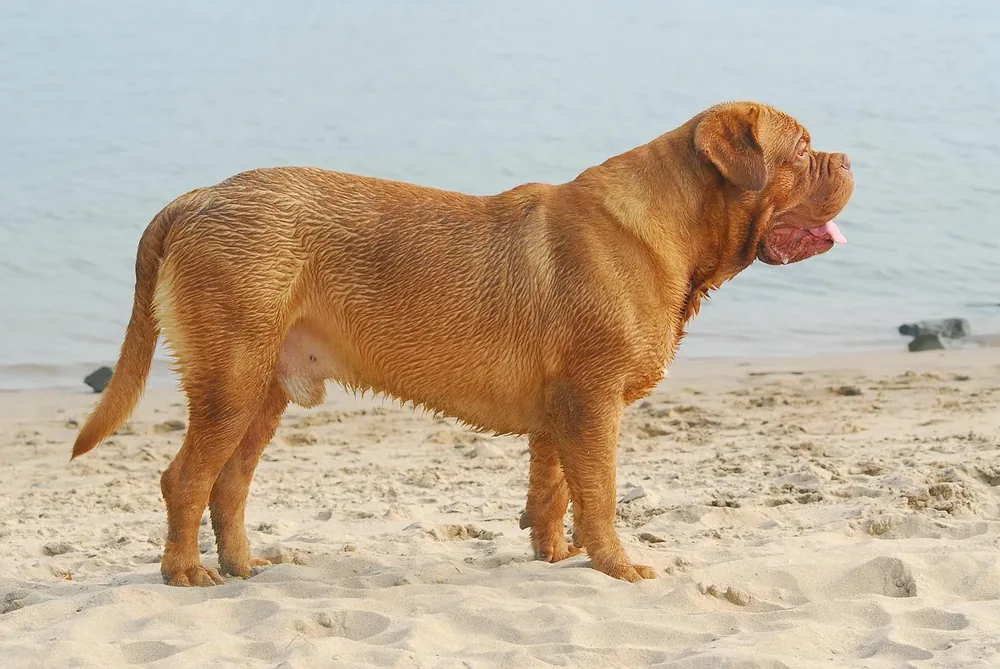
Dogue de Bordeaux
Dogue de Bordeaux cost runs high from puppy purchase through the breed's short lifespan, since this giant, brachycephalic dog needs sustained veterinary attention. Expect $6,333 in the first year once purchase, initial vetting, and supplies are covered. Ongoing years settle near $290 a month, with $23,758 a realistic lifetime figure given the breed's health profile.
Acquisition, surgical desexing, initial vet series, and starter hardware.
Normalized baseline at ~$290/month routine cash burn.
Projected over a 6-year Dogue de Bordeaux lifespan.
$5,000 Liquid Reserve Mandate
Critical bufferCardiac disease, brachycephalic airway limits, and giant-breed orthopedic and cancer risk compound into recurring, expensive veterinary needs.
Source: MetLife True Cost of Pet Emergencies 2025 (15% of owners hit $3,000+; uninsured surgery $3,000–8,000)
Biometric & phenotypic actuarial spec
What a Dogue de Bordeaux costs, year by year
Cumulative spend across a 6-year life in today's dollars, with the same curve at 3% and 8% yearly inflation. Year 1 carries the acquisition and setup bill.
- Food & nutrition
- Vet & insurance
- Grooming & coat
- Setup & sundries
- - - - at 3% inflation: $25,390
- · · · at 8%: $28,414
Where the big bills land
Bars are routine one-off vet events (vaccine boosters, dental cleanings, bloodwork, spay/neuter). Diamonds are sourced condition treatments for this breed.
96th percentile
2nd percentile
Ranked against 265 other dog breeds in this directory.
View as a table
| Year | Spend | Cumulative | Routine vet events |
|---|---|---|---|
| 1 | $6,333 | $6,333 | $772 |
| 2 | $3,485 | $9,818 | $77 |
| 3 | $3,485 | $13,303 | $543 |
| 4 | $3,485 | $16,788 | $164 |
| 5 | $3,485 | $20,273 | $948 |
| 6 | $3,485 | $23,758 | $328 |
- Brachycephalic airway syndrome: about $3,500 once, from year 3 (Sustainable Vet, Cost and Risks of BOAS Surgery in Bulldogs and Pugs (sustainablevet.org), 2026-09, low confidence)
Annual Cash Burn Matrix ($3,485/yr)
Continuous operational expenditure distributed across 5 core maintenance categories, indexed to metabolic demand and regional clinical rates.
Food
Source: Derived: veterinary MER formula + mid-tier dry kibble price (2026-01)
Vet Care
Source: Modeled estimate, not a sourced figure. Category basis: ASPCA / AAHA routine wellness composite (annual exam, vaccines, parasite control) x size 1.14 x risk 1.22 (2026-01)
Grooming
Source: Modeled estimate, not a sourced figure. Category basis: Rover / PetSmart service menu, short-coat baseline (grooming rating 2) x coat 1 (2026-01)
Pet Insurance
Source: Derived: NAPHIA State of the Industry 2025 (2024 data), accident & illness dog average x size 1.2 x risk 1.38 (2026-01)
Supplies & Toys
Source: Derived: Synchrony Pet Lifetime of Care 2025 (toy replacement $50–150/yr) plus routine consumables x size 1.3 (2026-01)
Upfront Entry CapEx
Purchase / Adoption Fee ($1,400), Initial Vet Visit & Vaccinations ($752), Starter Supplies ($618), Training Classes ($260), First Year Food ($950), First Year Vet Care ($918), First Year Grooming ($195), First Year Insurance ($1,240).
Comprehensive Lifecycle Ledger
Audited financial breakdown distinguishing immediate first-year fixed capitalization from ongoing annualized operating liabilities over the full 5–8 yrs canine lifespan.
| Expenditure Category | Year 01 Outlay | Annual Steady-State | Lifetime Total | Actuarial Sizing Methodology |
|---|---|---|---|---|
| Purchase / Adoption Fee | $1,400 | — | $1,400 | Varies by breeder vs rescue |
| Initial Vet Visit & Vaccinations | $752 | — | $752 | Spay/neuter, microchip, health check |
| Starter Supplies | $618 | — | $618 | Bed, crate, collar, bowls, toys |
| Training Classes | $260 | — | $260 | Basic obedience recommended |
| First Year Food | $950 | — | $950 | — |
| First Year Vet Care | $918 | — | $918 | — |
| First Year Grooming | $195 | — | $195 | — |
| First Year Insurance | $1,240 | — | $1,240 | — |
| Food | — | $950 | $5,700 | — |
| Vet Care | — | $918 | $5,508 | — |
| Grooming | — | $195 | $1,170 | — |
| Pet Insurance | — | $1,240 | $7,440 | — |
| Supplies & Toys | — | $182 | $1,092 | — |
| Gross Actuarial Expenditure | $6,333 | $3,485 / yr | $23,758 | Unadjusted baseline |
Actuarial Health Risk Profile (Tier 5)
Cardiac disease, brachycephalic airway limits, and giant-breed orthopedic and cancer risk compound into recurring, expensive veterinary needs.
Hip and elbow dysplasia
Rapid bone growth in a heavy-boned giant breed strains developing joints, often leading to early arthritis and mobility loss.
- Typical treatment cost (one-time)
- $7,000–$9,000
medium confidence · Iowa State University Lloyd Veterinary Medical Center, Total Hip Replacement, 2026-09
Dilated Cardiomyopathy
This breed carries an elevated risk of heart muscle weakening, which usually requires lifelong cardiac monitoring and medication once diagnosed.
Brachycephalic airway syndrome
The short, broad skull can narrow airways enough to cause breathing noise and heat intolerance, sometimes needing corrective surgery.
- Typical treatment cost (one-time)
- $2,000–$5,000
Typically appears at age 1–2
low confidence · Sustainable Vet, Cost and Risks of BOAS Surgery in Bulldogs and Pugs, 2026-09
Skin Fold Dermatitis
Deep facial and neck wrinkles trap moisture and debris, causing recurring infections that need ongoing cleaning and occasional vet treatment.
Bone and joint cancer
As with many giant breeds, osteosarcoma risk rises with size and age, and treatment involves costly imaging, surgery, and oncology care.
Costs are typical for the condition in general, not specific to the Dogue de Bordeaux. See the Dogue de Bordeaux cost timeline
What Truly Drives the Dogue de Bordeaux’s Financial Profile
About the Dogue de Bordeaux and its cost
Dogue de Bordeaux cost reflects a breed built for size and strength: a massive head, dense muscle, and short coat sit on a frame that regularly exceeds a hundred pounds. Originally bred in France for guarding, hunting, and pulling carts, the Dogue de Bordeaux carries genetics that favor durability over longevity. That tradeoff shows up in the ledger every year of ownership, since larger bodies need more food, more medication per dose, and more diagnostic imaging capacity than a mid-size dog. Buyers researching this breed usually discover that acquisition price is only the entry point; the recurring costs of feeding and treating a giant dog with a compressed lifespan tend to dominate total spend. Budgeting early, rather than reacting to the first large vet bill, keeps ownership sustainable.
What drives Dogue de Bordeaux costs
Three factors push spending above what a typical large breed requires. First, size: joint supplements, orthopedic bedding, and larger prescription volumes all scale with body weight. Second, the brachycephalic skull shape, which can mean surgical airway correction and closer monitoring under anesthesia. Third, the breed's documented predisposition to dilated cardiomyopathy, which often calls for periodic cardiac ultrasounds and long-term medication once detected. Skin fold care adds a smaller but steady recurring cost. Together these push $918 and $1,240 lines higher than a same-sized but healthier breed would carry, and they shape why $3,485 rarely dips even in an uneventful year.
Six years and a giant's bills
The Dogue de Bordeaux weighs 99 to 145 pounds and has a typical 6-year life. That makes the annual cost of $3,485 the number that matters, while the $23,758 lifetime figure is low only because the years are few. Dilated cardiomyopathy, bone cancer and rapid-growth joint disease at $7,000 to $9,000 per hip are the major risks. The short skull causes airway narrowing, surgery costing $2,000 to $5,000 here. Deep facial folds need daily cleaning against skin fold dermatitis. Insurance enrolled early is worth costing out.
Dogue de Bordeaux first-year budget
The first year combines one-time setup with early recurring costs. Purchase or adoption ($1,400) is the largest single line, followed by initial vet visits and vaccination ($752), starter supplies sized for a giant breed ($618), and basic obedience training ($260), which brings one-time setup to $3,030. Layered on top, the first year of food ($950), early vet care ($918), grooming ($195), and insurance ($1,240) push first-year recurring spend to $3,303. Combined, a new owner should plan for $6,333 in year one. Because the breed matures quickly, much of the starter supply spend, such as crates and bedding, needs upsizing again before the dog reaches full size, which owners often underestimate when budgeting from a puppy-focused checklist.
Dogue de Bordeaux yearly cost after year one
Once the one-time setup costs fall away, ongoing years settle into a steady pattern built around food ($950), routine vet care ($918), grooming and wrinkle maintenance ($195), insurance ($1,240), and supplies or toys ($182). Together these bring annual ongoing spend to $3,485, which spreads out to roughly $290 a month for budgeting purposes. Food remains the largest recurring line given the breed's size, while insurance costs stay elevated relative to a healthier breed because of the cardiac and orthopedic risk baked into underwriting. Owners who skip insurance often see this steady monthly figure spike unpredictably the moment a joint or heart issue surfaces, since there is no smoothing mechanism without a policy in place.
Emergency fund for a Dogue de Bordeaux
This breed's tier-five risk profile comes from stacking a brachycephalic airway, cardiac predisposition, and giant-breed orthopedic and cancer risk into one dog. Any of these can turn into a sudden, expensive emergency: airway surgery, cardiac decompensation requiring hospitalization, or an emergency orthopedic repair after a fall. A dedicated reserve of $5,000 covers a single acute event without derailing other finances. Owners without insurance should treat this reserve as non-negotiable, since giant-breed surgery and hospitalization pricing runs well above what a smaller dog would incur for the same procedure. Factored across a full lifetime, these recurring risks are also a major reason $23,758 sits as high as it does for this breed specifically.
Cutting Dogue de Bordeaux costs
The biggest lever for lowering lifetime spend is prevention rather than cutting corners on care. Catching cardiac and orthopedic issues early, before they become emergencies, consistently costs less than reactive treatment after a crisis, and it keeps $3,485 closer to its baseline rather than spiking. Choosing a breeder who screens for the conditions driving this breed's risk tier reduces the odds of inherited disease altogether, which has more leverage over $23,758 than any single purchase decision. On the recurring side, buying food and supplies in bulk, and using a fixed veterinary clinic that tracks the dog's history, both help keep $290 predictable instead of trending upward as the dog ages into its higher-risk years.
5 Prudent Ways to Cut Dogue de Bordeaux Costs
Insure before symptoms appear
Cardiac and orthopedic conditions are far cheaper to cover before diagnosis. Enrolling as a puppy avoids pre-existing condition exclusions that would otherwise leave the most expensive risks uncovered.
Clean skin folds on a routine schedule
Wiping facial wrinkles daily prevents infections that would otherwise need prescription treatment. This habit is inexpensive and cuts one of the breed's most frequent vet visits down substantially.
Screen for cardiac disease early
A baseline cardiac exam in the first two years catches dilated cardiomyopathy while management is still simple. Waiting for visible symptoms usually means a more advanced, costlier case.
Buy giant-breed puppy food
Formulas designed for slow, controlled growth reduce joint stress in a heavy-boned dog. Paying more per bag now can mean fewer orthopedic bills later.
Ask breeders for health clearances
Hip, elbow, and cardiac clearances on both parents lower the odds of inheriting the breed's costliest conditions. A higher purchase price from a health-tested line often pays for itself.
Peer Class Financial Comparisons
How the Dogue de Bordeaux compares to morphological peers on annualized ownership cost.
Dogue de Bordeaux
Frequently Asked Financial Questions
How much does a Dogue de Bordeaux puppy cost?
Why are Dogue de Bordeaux puppies so expensive?
How much does it cost to adopt a Dogue de Bordeaux?
What is the average price of a Dogue de Bordeaux by region?
How much does Dogue de Bordeaux insurance cost?
What is the lifetime cost of owning a Dogue de Bordeaux?
How much food does a Dogue de Bordeaux eat monthly?
Are Dogue de Bordeaux vet bills higher than average?
What is the life expectancy of a Dogue de Bordeaux, and how does it affect cost?
Is it cheaper to adopt a Dogue de Bordeaux from a rescue?
How long do Dogue de Bordeaux live?
Do Dogues de Bordeaux drool?
Related reading
Data sources
- Dogue de Bordeaux Breed Standard — American Kennel Club (akc.org)
- Dogue de Bordeaux — Wikipedia (en.wikipedia.org)
- Pet Health Insurance Basics — NAPHIA (naphia.org)
Calculate Your Dogue de Bordeaux Cost Adjusted by Metro ZIP Code
Veterinary surgical tariffs and clinical room rates vary widely between metropolitan regions and rural counties. Recalculate this dossier with your exact state, city, and lifestyle parameters.