
How Much Does a Mastiff Cost Per Year?
How much does a Mastiff cost? Expect $6,360 in the first year, then about $3,512 a year, driven mostly by food, giant-breed vet care and insurance. Over a typical lifespan that adds up to roughly $30,944.
Executive cost summary
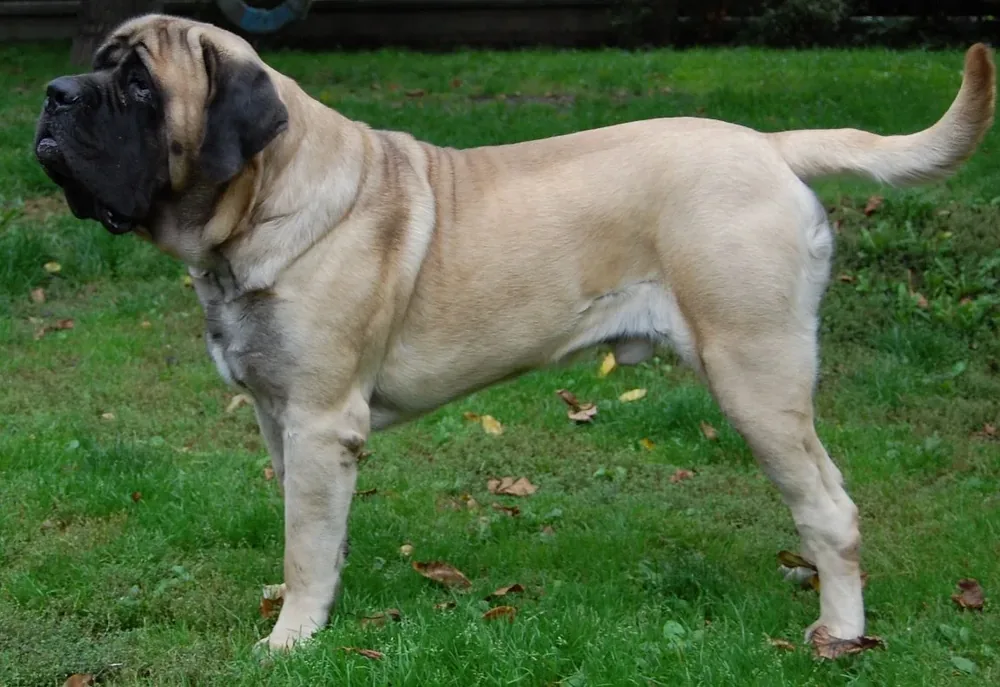
Mastiff
How much does a Mastiff cost? Expect $6,360 in the first year, then about $3,512 a year, driven mostly by food, giant-breed vet care and insurance. Over a typical lifespan that adds up to roughly $30,944.
Acquisition, surgical desexing, initial vet series, and starter hardware.
Normalized baseline at ~$293/month routine cash burn.
Projected over a 8-year Mastiff lifespan.
$5,000 Liquid Reserve Mandate
Critical bufferA giant, deep-chested frame carries bloat emergency risk and recurring orthopaedic cost from hip and elbow dysplasia, on top of a short lifespan and giant-breed care volumes.
Source: MetLife True Cost of Pet Emergencies 2025 (15% of owners hit $3,000+; uninsured surgery $3,000–8,000)
Biometric & phenotypic actuarial spec
What a Mastiff costs, year by year
Cumulative spend across a 8-year life in today's dollars, with the same curve at 3% and 8% yearly inflation. Year 1 carries the acquisition and setup bill.
- Food & nutrition
- Vet & insurance
- Grooming & coat
- Setup & sundries
- - - - at 3% inflation: $34,078
- · · · at 8%: $40,204
Where the big bills land
Bars are routine one-off vet events (vaccine boosters, dental cleanings, bloodwork, spay/neuter). Diamonds are sourced condition treatments for this breed.
98th percentile
40th percentile
Ranked against 265 other dog breeds in this directory.
View as a table
| Year | Spend | Cumulative | Routine vet events |
|---|---|---|---|
| 1 | $6,360 | $6,360 | $772 |
| 2 | $3,512 | $9,872 | $77 |
| 3 | $3,512 | $13,384 | $543 |
| 4 | $3,512 | $16,896 | $164 |
| 5 | $3,512 | $20,408 | $620 |
| 6 | $3,512 | $23,920 | $328 |
| 7 | $3,512 | $27,432 | $707 |
| 8 | $3,512 | $30,944 | $405 |
- Elbow dysplasia: about $2,750 once, from year 2 (Embrace Pet Insurance, Elbow Dysplasia in Dogs (embracepetinsurance.com/health/elbow-dysplasia), 2021-06, medium confidence)
Annual Cash Burn Matrix ($3,512/yr)
Continuous operational expenditure distributed across 5 core maintenance categories, indexed to metabolic demand and regional clinical rates.
Food
Source: Derived: veterinary MER formula + mid-tier dry kibble price (2026-01)
Vet Care
Source: Modeled estimate, not a sourced figure. Category basis: ASPCA / AAHA routine wellness composite (annual exam, vaccines, parasite control) x size 1.14 x risk 1.1 (2026-01)
Grooming
Source: Modeled estimate, not a sourced figure. Category basis: Rover / PetSmart service menu, short-coat baseline (grooming rating 2) x coat 1 (2026-01)
Pet Insurance
Source: Derived: NAPHIA State of the Industry 2025 (2024 data), accident & illness dog average x size 1.2 x risk 1.18 (2026-01)
Supplies & Toys
Source: Derived: Synchrony Pet Lifetime of Care 2025 (toy replacement $50–150/yr) plus routine consumables x size 1.3 (2026-01)
Upfront Entry CapEx
Purchase / Adoption Fee ($1,400), Initial Vet Visit & Vaccinations ($752), Starter Supplies ($618), Training Classes ($260), First Year Food ($1,246), First Year Vet Care ($828), First Year Grooming ($195), First Year Insurance ($1,061).
Comprehensive Lifecycle Ledger
Audited financial breakdown distinguishing immediate first-year fixed capitalization from ongoing annualized operating liabilities over the full 6–10 yrs canine lifespan.
| Expenditure Category | Year 01 Outlay | Annual Steady-State | Lifetime Total | Actuarial Sizing Methodology |
|---|---|---|---|---|
| Purchase / Adoption Fee | $1,400 | — | $1,400 | Varies by breeder vs rescue |
| Initial Vet Visit & Vaccinations | $752 | — | $752 | Spay/neuter, microchip, health check |
| Starter Supplies | $618 | — | $618 | Bed, crate, collar, bowls, toys |
| Training Classes | $260 | — | $260 | Basic obedience recommended |
| First Year Food | $1,246 | — | $1,246 | — |
| First Year Vet Care | $828 | — | $828 | — |
| First Year Grooming | $195 | — | $195 | — |
| First Year Insurance | $1,061 | — | $1,061 | — |
| Food | — | $1,246 | $9,968 | — |
| Vet Care | — | $828 | $6,624 | — |
| Grooming | — | $195 | $1,560 | — |
| Pet Insurance | — | $1,061 | $8,488 | — |
| Supplies & Toys | — | $182 | $1,456 | — |
| Gross Actuarial Expenditure | $6,360 | $3,512 / yr | $30,944 | Unadjusted baseline |
Actuarial Health Risk Profile (Tier 4)
A giant, deep-chested frame carries bloat emergency risk and recurring orthopaedic cost from hip and elbow dysplasia, on top of a short lifespan and giant-breed care volumes.
Gastric dilatation-volvulus (bloat)
The stomach fills with gas and can twist, cutting off blood flow within hours; it always needs emergency surgery and deep-chested giant breeds like the Mastiff are over-represented.
- Typical treatment cost (one-time)
- $2,000–$7,500
medium confidence · MetLife Pet Insurance, Bloat in Dogs: What Pet Parents Need to Know, 2026-08
Hip Dysplasia
A loose, malformed hip joint that wears into early arthritis; a heavy giant frame that grows fast puts extra load on the joint and can lead to surgery or lifelong pain management.
- Typical treatment cost (one-time)
- $1,200–$6,000
medium confidence · MetLife Pet Insurance, How Much Does Dog Hip Dysplasia Surgery Cost?, 2024-10
Elbow dysplasia
The elbow bones do not fit together properly during growth, causing forelimb lameness and arthritis; Mastiffs are named among the commonly affected breeds.
- Typical treatment cost (one-time)
- $1,500–$4,000
Typically appears at age 0.3–1
medium confidence · Embrace Pet Insurance, Elbow Dysplasia in Dogs, 2021-06
Costs are typical for the condition in general, not specific to the Mastiff. See the Mastiff cost timeline
What Truly Drives the Mastiff’s Financial Profile
About the Mastiff and its cost
The Mastiff is one of the heaviest dog breeds, calm and affectionate indoors but massive in everything it consumes. Cost starts with the puppy itself, listed at $1,400, and continues with a large appetite, oversized supplies and vet bills scaled to body weight. A short coat keeps grooming light at $195 a year, and exercise needs are modest, so the money goes to food, medical care and insurance rather than to upkeep of the coat or activity. Their short lifespan means the yearly cost is concentrated into fewer years than for smaller breeds.
What drives Mastiff costs
Size drives nearly every line. Food, medication doses, anesthesia and boarding all scale with weight, so the same procedure costs more than it would for a medium dog. Health risk adds to that. Bloat is a sudden emergency that always needs surgery, while hip and elbow dysplasia can bring surgery, long-term joint medication and rehab. Insurance for a breed with these risks costs more, at $1,061 a year, but it is often the difference between an affordable emergency and a crushing one. Routine vet care sits at $828 a year.
Giant breed, giant margins for error
An English Mastiff weighs 120 to 230 pounds and lives about 8 years, so costs are compressed and large. Bloat is the emergency, at $2,000 to $7,500 on this page's data, and a preventive stomach tacking is worth discussing with your vet. Hip dysplasia ($1,200 to $6,000) and elbow dysplasia ($1,500 to $4,000) are the orthopedic risks of fast-growing giant puppies, so puppy diet and controlled exercise matter. Medication, anesthesia and food all scale with weight, and large crates, beds and vehicle space add practical expense. Annual cost is $3,512, and year one is $6,360 with the $1,400 purchase price.
Mastiff first-year budget
The first year is the most expensive. One-time costs total $3,030: the puppy at $1,400, initial vet visits and vaccines at $752, starter supplies at $618 and training at $260. Recurring lines add $3,330, made of food at $1,246, routine vet care at $828, grooming at $195 and insurance at $1,061. Together that gives $6,360. Giant-breed crates, beds and collars need to be sized for an adult early, or replaced as the puppy grows, which is why the supply line is higher than for a smaller dog.
Mastiff yearly cost after year one
After the first year, one-time costs fall away and the yearly total settles at $3,512, or about $293 a month. Food at $1,246 is the largest share, followed by insurance at $1,061 and routine vet care at $828. Grooming is light at $195, and supplies and toys add $182. Adult Mastiffs eat a lot, so food and medication doses are the lines most likely to grow if the dog gains weight. Older dogs also tend to see vet spending rise as joints stiffen.
Emergency fund for a Mastiff
Bloat is the condition that sets the size of a Mastiff's emergency reserve, because the stomach can twist within hours and surgery cannot wait. A reserve of $5,000 is meant to cover that kind of sudden bill, or the deductible and reimbursement gap if you are insured. Joint surgery for hip or elbow dysplasia is usually planned rather than urgent, but it draws on the same reserve. Set against a lifetime cost of $30,944, holding a dedicated fund is a small share of total spending for a breed with this risk profile.
Cutting Mastiff costs
Most savings come from preventing expensive problems rather than trimming everyday spending. Keeping a growing puppy lean, screening parents for joint disease and asking about a preventive stomach tack all reduce the odds of the biggest bills. On everyday costs, buying food in bulk and comparing insurance quotes early can trim the yearly total of $3,512, though the effect on the monthly $293 is modest. Over the whole lifetime estimate of $30,944, small yearly savings and avoided emergencies both count.
5 Prudent Ways to Cut Mastiff Costs
Buy from a health-tested breeder
Ask for hip and elbow evaluations on both parents from OFA or a similar registry. Paying more for a documented pedigree usually costs less than treating joint disease later. Avoid low-priced puppies with no health records.
Keep your puppy lean while it grows
Slow, steady growth on a giant-breed puppy food reduces stress on developing joints. Excess weight makes dysplasia and arthritis worse and drives up vet costs. Ask your vet to check body condition at every visit.
Insure early, before conditions appear
Enroll while your dog is a puppy so hip, elbow and bloat care are not pre-existing. Compare deductible and reimbursement levels rather than only the monthly premium. A plan that covers emergency surgery matters most for this breed.
Ask about a preventive gastropexy
Many vets can tack the stomach in place during spay or neuter, which sharply cuts the chance of a twist. Doing it at the same time as a planned surgery costs far less than emergency bloat surgery. Discuss timing with your vet.
Buy food and supplies in bulk
Food is the biggest recurring cost, so large bags and auto-ship discounts add up quickly. Check the ingredient list rather than the price alone, and buy sturdy, large-size beds and crates once instead of replacing cheap ones.
Peer Class Financial Comparisons
How the Mastiff compares to morphological peers on annualized ownership cost.
Mastiff
Frequently Asked Financial Questions
How much does a mastiff cost?
How much are mastiff puppies?
English mastiff price: how much do they cost?
How much does it cost to feed a Mastiff each year?
What is the best dog food for an English Mastiff?
Is a Mastiff expensive to own?
Is pet insurance worth it for a Mastiff?
How much should I save for a Mastiff emergency?
Why are growth and diet so important for a Mastiff puppy?
Is a Mastiff cheaper to own than a Great Dane?
Related reading
Data sources
- Mastiff Dog Breed Information — American Kennel Club (akc.org)
- Mastiff — Wikipedia (en.wikipedia.org)
- Gastric Dilation and Volvulus in Small Animals — MSD Veterinary Manual (msdvetmanual.com)
Calculate Your Mastiff Cost Adjusted by Metro ZIP Code
Veterinary surgical tariffs and clinical room rates vary widely between metropolitan regions and rural counties. Recalculate this dossier with your exact state, city, and lifestyle parameters.