
How Much Does a Pointer Cost Per Year?
Pointer cost is driven mostly by food and vet care for a lean, high-energy large dog, with a first-year total near $4,937 and about $2,492 a year after that. Grooming is minimal thanks to the short coat. Insurance and an emergency reserve matter more than coat care.
Executive cost summary
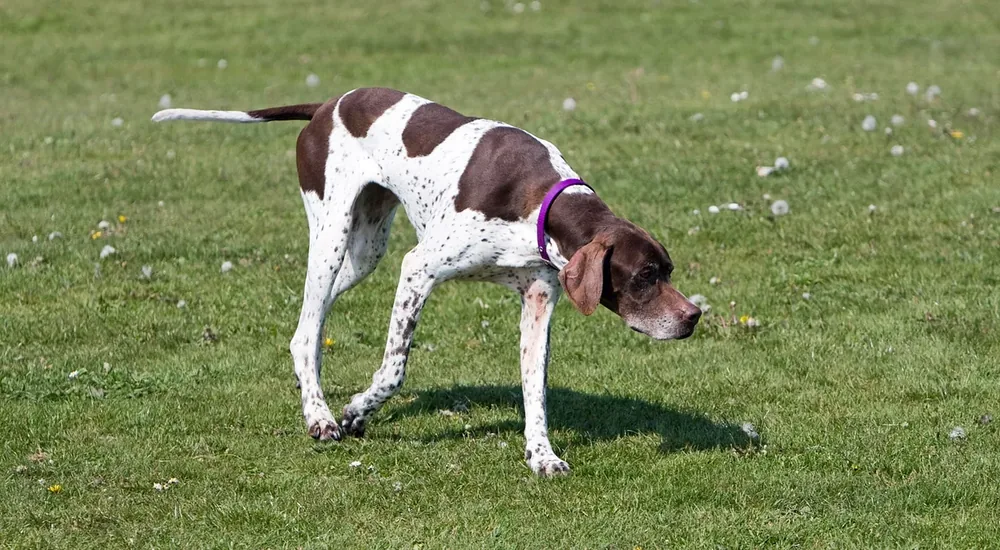
Pointer
Pointer cost is driven mostly by food and vet care for a lean, high-energy large dog, with a first-year total near $4,937 and about $2,492 a year after that. Grooming is minimal thanks to the short coat. Insurance and an emergency reserve matter more than coat care.
Acquisition, surgical desexing, initial vet series, and starter hardware.
Normalized baseline at ~$208/month routine cash burn.
Projected over a 13-year Pointer lifespan.
$4,000 Liquid Reserve Mandate
Critical bufferThe Pointer is a lean, athletic sporting dog with moderate hip and thyroid risk but no defining expensive syndrome, so it sits at breed average.
Source: MetLife True Cost of Pet Emergencies 2025 (15% of owners hit $3,000+; uninsured surgery $3,000–8,000)
Biometric & phenotypic actuarial spec
What a Pointer costs, year by year
Cumulative spend across a 13-year life in today's dollars, with the same curve at 3% and 8% yearly inflation. Year 1 carries the acquisition and setup bill.
- Food & nutrition
- Vet & insurance
- Grooming & coat
- Setup & sundries
- - - - at 3% inflation: $41,365
- · · · at 8%: $56,011
Where the big bills land
Bars are routine one-off vet events (vaccine boosters, dental cleanings, bloodwork, spay/neuter). Diamonds are sourced condition treatments for this breed.
No sourced condition costs for this breed yet; only routine events are plotted.
60th percentile
72nd percentile
Ranked against 265 other dog breeds in this directory.
View as a table
| Year | Spend | Cumulative | Routine vet events |
|---|---|---|---|
| 1 | $4,937 | $4,937 | $751 |
| 2 | $2,492 | $7,429 | $77 |
| 3 | $2,492 | $9,921 | $543 |
| 4 | $2,492 | $12,413 | $164 |
| 5 | $2,492 | $14,905 | $620 |
| 6 | $2,492 | $17,397 | $164 |
| 7 | $2,492 | $19,889 | $543 |
| 8 | $2,492 | $22,381 | $241 |
| 9 | $2,492 | $24,873 | $543 |
| 10 | $2,492 | $27,365 | $492 |
| 11 | $2,492 | $29,857 | $784 |
| 12 | $2,492 | $32,349 | $328 |
| 13 | $2,492 | $34,841 | $707 |
Annual Cash Burn Matrix ($2,492/yr)
Continuous operational expenditure distributed across 5 core maintenance categories, indexed to metabolic demand and regional clinical rates.
Food
Source: Derived: veterinary MER formula + mid-tier dry kibble price (2026-01)
Vet Care
Source: Modeled estimate, not a sourced figure. Category basis: ASPCA / AAHA routine wellness composite (annual exam, vaccines, parasite control) x size 1.06 x risk 1 (2026-01)
Grooming
Source: Modeled estimate, not a sourced figure. Category basis: Rover / PetSmart service menu, short-coat baseline (grooming rating 2) x coat 0.4 (2026-01)
Pet Insurance
Source: Derived: NAPHIA State of the Industry 2025 (2024 data), accident & illness dog average x size 1.08 x risk 1 (2026-01)
Supplies & Toys
Source: Derived: Synchrony Pet Lifetime of Care 2025 (toy replacement $50–150/yr) plus routine consumables x size 1.15 (2026-01)
Upfront Entry CapEx
Purchase / Adoption Fee ($1,100), Initial Vet Visit & Vaccinations ($700), Starter Supplies ($546), Training Classes ($260), First Year Food ($744), First Year Vet Care ($700), First Year Grooming ($78), First Year Insurance ($809).
Comprehensive Lifecycle Ledger
Audited financial breakdown distinguishing immediate first-year fixed capitalization from ongoing annualized operating liabilities over the full 12–15 yrs canine lifespan.
| Expenditure Category | Year 01 Outlay | Annual Steady-State | Lifetime Total | Actuarial Sizing Methodology |
|---|---|---|---|---|
| Purchase / Adoption Fee | $1,100 | — | $1,100 | Varies by breeder vs rescue |
| Initial Vet Visit & Vaccinations | $700 | — | $700 | Spay/neuter, microchip, health check |
| Starter Supplies | $546 | — | $546 | Bed, crate, collar, bowls, toys |
| Training Classes | $260 | — | $260 | Basic obedience recommended |
| First Year Food | $744 | — | $744 | — |
| First Year Vet Care | $700 | — | $700 | — |
| First Year Grooming | $78 | — | $78 | — |
| First Year Insurance | $809 | — | $809 | — |
| Food | — | $744 | $9,672 | — |
| Vet Care | — | $700 | $9,100 | — |
| Grooming | — | $78 | $1,014 | — |
| Pet Insurance | — | $809 | $10,517 | — |
| Supplies & Toys | — | $161 | $2,093 | — |
| Gross Actuarial Expenditure | $4,937 | $2,492 / yr | $34,841 | Unadjusted baseline |
Actuarial Health Risk Profile (Tier 3)
The Pointer is a lean, athletic sporting dog with moderate hip and thyroid risk but no defining expensive syndrome, so it sits at breed average.
Hip Dysplasia
A loose or malformed hip joint that leads to arthritis and, in bad cases, surgery.
Typically appears around age 0.5
medium confidence
Hypothyroidism
Underactive thyroid that needs lifelong daily tablets and periodic blood monitoring.
Entropion
Eyelids that roll inward and irritate the cornea, usually fixed with eyelid surgery.
Allergic skin disease
Itchy skin and recurring ear or skin infections that add medication and recheck visits.
Typically appears at age 1–3
medium confidence
Costs are typical for the condition in general, not specific to the Pointer. See the Pointer cost timeline
What Truly Drives the Pointer’s Financial Profile
About the Pointer and its cost
The Pointer is a large sporting breed built for endurance, and its cost profile reflects that. Buying a puppy from a breeder who health-tests for hips and eyes is the biggest one-time line, shown in the budget as $1,100 in the calculator above. After that, the recurring bills are food for an active dog, routine veterinary care, and insurance. The short, smooth coat needs only a weekly rub-down, so professional grooming is a small line. Pointers also need a lot of exercise, which pushes spending toward sturdy gear, training classes and boarding when you travel. Most owners find this an affordable large breed once the puppy year is over.
What drives Pointer costs
Size and activity drive most of the spending. A lean 60-pound dog that runs hard eats a lot, and its food bill stays high through the working years. Health costs cluster around a few conditions: hip dysplasia can bring arthritis care or surgery, hypothyroidism needs lifelong tablets and blood tests, entropion can require eyelid surgery, and allergies add medication and ear or skin visits. None of these is guaranteed, but any one can turn a routine year into an expensive one. Active dogs also pick up cuts, torn toenails and cruciate injuries, so a reserve for accident care is worth setting aside early.
Entropion, skin and a hyperactive start
The English Pointer is a 45 to 75 pound gundog with a short coat that needs little grooming. It is a high-energy dog, so daily running is the real budget item. Entropion rolls eyelids inward and is usually fixed with eyelid surgery, allergic skin disease brings itchy skin and recurring ear and skin infections, and hypothyroidism means lifelong daily tablets. Hip dysplasia is the joint risk. Annual cost is $2,492 and lifetime $34,841.
Pointer first-year budget
The first year is the most expensive. One-time costs total $2,606, starting with $1,100 for the dog, then $700 for the first vet visits and vaccines, $546 for crate, bed, leash and bowls, and $260 for puppy classes. Recurring costs in year one add $2,331, made up of $744 for food, $700 for vet care, $78 for grooming and $809 for insurance. Together that gives a first-year total near $4,937. Puppies also chew and outgrow gear, so keep a small buffer beyond this figure.
Pointer yearly cost after year one
After the puppy year, costs settle. Food is about $744, vet care about $700, grooming about $78, insurance about $809, and supplies and toys about $161. That comes to roughly $2,492 a year, or about $208 a month. Food is the line that moves most, because a working or highly active Pointer eats far more than a couch companion. Grooming stays low with the short coat. Dental cleanings and senior bloodwork can add to the vet line as the dog ages.
Emergency fund for a Pointer
A reserve of about $4,000 is a sensible target. The most likely large bills for this breed are orthopedic, such as hip dysplasia care or a torn cruciate ligament, along with eyelid surgery and injuries from running through brush. Athletic dogs cut pads and strain joints, so accidents are as likely as inherited disease. Over a full life the total spend reaches about $34,841, and a dedicated fund or an insurance plan keeps a single event from becoming a financial crisis.
Cutting Pointer costs
Most savings come from prevention rather than shopping around. Keeping a Pointer at a lean weight protects the hips and lowers food spending at once, and steady exercise reduces boredom damage at home. Regular dental care and parasite prevention avoid larger vet bills. Compare insurance quotes each year, since the roughly $208 monthly budget can shrink if premiums fall. Over the whole life, small habits like these matter more than any single discount, and they help keep the $34,841 lifetime figure from growing.
6 Prudent Ways to Cut Pointer Costs
Choose a health-tested breeder
Ask for hip and eye clearances on both parents before you pay a deposit. Cleared parents lower, but do not remove, the odds of costly orthopedic and eyelid problems later.
Insure while the dog is young
Enroll a puppy before any condition appears so later hip or skin problems are not excluded as pre-existing. Compare accident-and-illness plans against a plain savings account.
Keep your Pointer lean
Extra weight speeds up arthritis in hips and knees. Measure meals, and adjust the portion when field work slows in winter.
Buy food in bulk
A large active dog goes through a lot of kibble, so a big bag or a subscription discount adds up. Stay with a complete diet from a reputable maker rather than switching often.
Handle basic grooming at home
Nail trims, ear cleaning and brushing take minutes with a short coat. Learning them yourself removes most groomer visits.
Ask hunting-line breeders about retired dogs
Field breeders sometimes rehome retired or washed-out English Pointers, often for less than the $1,100 breeder price on this page. These dogs are usually healthy and well socialized, though you should still budget for a vet check and possible hip screening.
Peer Class Financial Comparisons
How the Pointer compares to morphological peers on annualized ownership cost.
Pointer
Frequently Asked Financial Questions
How much does a pointer cost per month?
Is a pointer expensive to own?
What are the yearly costs of owning a pointer?
How much are pointer vet bills?
Do pointers need pet insurance?
How much does a pointer puppy cost?
Do pointers shed a lot?
How much is an English Pointer for sale?
How do I find English Pointer breeders?
Does this page cover German Shorthaired Pointers?
How much exercise does a Pointer need?
Does a Pointer need grooming?
Related reading
Data sources
- Pointer Dog Breed Information — American Kennel Club (akc.org)
- Hip Dysplasia — Orthopedic Foundation for Animals (ofa.org)
- Pointer (dog breed) — Wikipedia (en.wikipedia.org)
Calculate Your Pointer Cost Adjusted by Metro ZIP Code
Veterinary surgical tariffs and clinical room rates vary widely between metropolitan regions and rural counties. Recalculate this dossier with your exact state, city, and lifestyle parameters.