

Key takeaways
- The costliest cat breed to buy is usually the Savannah or Bengal, with one source stating $10,000 to $50,000 and $10,000 to $25,000, while another lists a Savannah at only $1,000 to $2,000.
- The costliest cat breed to own in PetBudget's model is the Ragdoll at $22,164 over a typical 15-year life, against $13,640 for a Domestic Shorthair.
- A $1,900 Ragdoll purchase price is only about 9% of its lifetime cost, so yearly care, not the sticker price, drives the total.
The most expensive cat breed to buy is usually a Savannah, a Bengal or a rare wildcat cross, and the most expensive to own is a large, long-haired breed like the Ragdoll. Those are different lists. A Savannah can cost $10,000 or more at the high end, while PetBudget's model puts the Ragdoll at $22,164 over a 15-year life. This guide compares sticker prices from two sources, then ranks the costliest cat breed by lifetime cost.
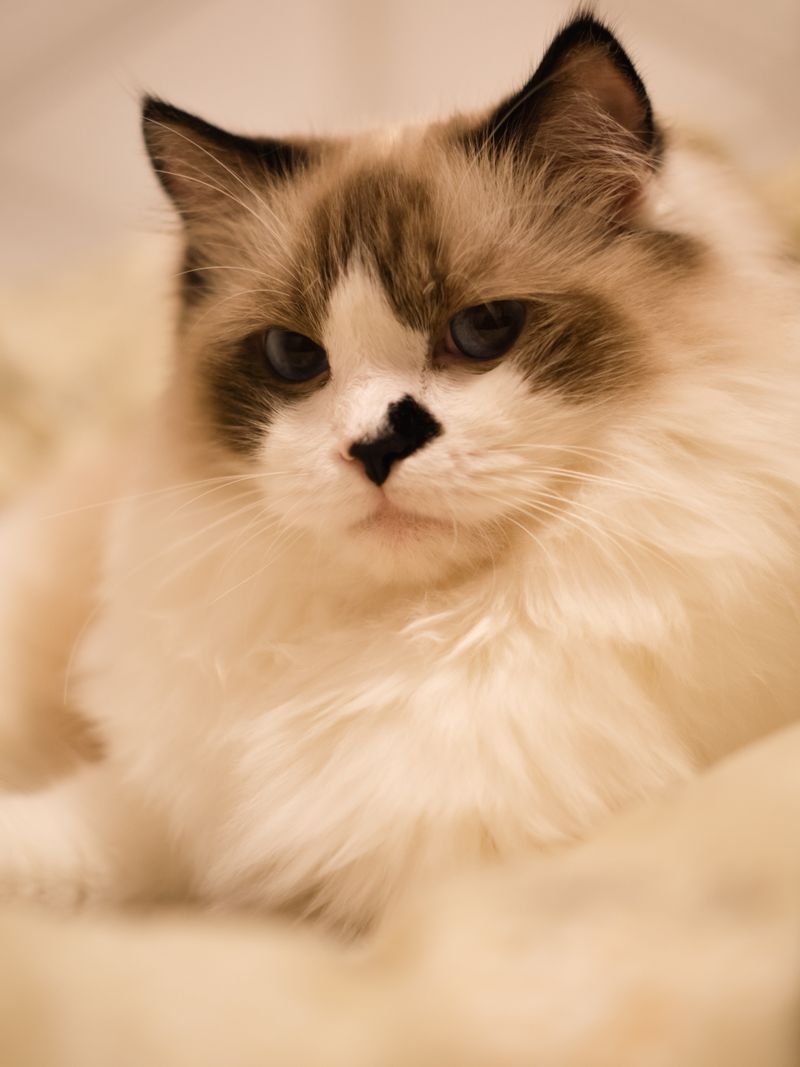 Photo: Rain Lü / Pexels
Latest news: cat breeds in 2026
- The Netherlands ended new ownership of two popular breeds. From January 1, 2026, DutchNews reported, pet Scottish Folds and Sphynx cats born after that date cannot be kept in the Netherlands. Owners must prove existing cats predate the ban, and the fine is €1,500. The government cited cartilage problems in Folds and cold sensitivity and skin infections in Sphynxes.
- Insurance costs rose. NAPHIA's June 2026 report put the average U.S. cat accident-and-illness premium at $435 in 2025, up 12.6%.
What it means for you: the Fold and the Sphynx now carry legal risk abroad as well as health risk. Ask any breeder about health testing, and plan for the yearly premium shown below.
Most expensive cat breeds to buy: two price lists
Price lists for the most expensive cat breeds disagree, sometimes by a factor of ten. VetDesk's most expensive cat breeds list puts the Savannah at $10,000 to $50,000. Pumpkin's most expensive cat breeds guide lists the same breed at $1,000 to $2,000.
| Breed | VetDesk | Pumpkin |
|---|---|---|
| Savannah | $10,000-$50,000 | $1,000-$2,000 |
| Bengal | $10,000-$25,000 (about $10,000 most common) | Not listed |
| Sphynx | $1,800-$9,800 (most $1,800-$4,400) | $1,800-$3,000 |
| Persian | $1,500-$5,500 | $1,300-$3,000 |
| Toyger | $3,000-$5,000 | $1,500-$5,000+ |
| Ragdoll | $1,000-$5,000+ (pet $1,000-$2,500) | $850-$2,500 |
| Siberian | $1,200-$4,000 | $1,200-$2,000 |
| Maine Coon | $1,000-$4,000 | $400-$1,500 |
| Scottish Fold | $500-$3,000 | $1,000-$2,000 |
| Russian Blue | $500-$3,000 | $1,000-$1,700 |
The gap is largest for early-generation wildcat crosses. Treat the top figures as ceilings for exceptional animals, not typical prices. VetDesk also lists the Ashera at up to $125,000, but says the Ashera is "essentially just Savannah cats." We do not use that figure.
The two lists agree on the middle of the pack. Sphynx, Persian, Toyger, Ragdoll and Siberian kittens mostly land between $1,000 and $5,000. For a pet-quality kitten, Ragdoll and Maine Coon prices start near $1,000.
Why some cat breeds cost so much to buy
Price comes from rarity, ancestry and breeder quality. VetDesk gives these reasons for the top prices.
- Wildcat ancestry. The Savannah is close to its wild ancestry, per VetDesk. It says Savannahs are banned in more than a dozen U.S. states and not recognized as a domestic breed.
- Generation. VetDesk says a true Bengal can be no more than four generations removed from a wildcat. Bengals were first created in the 1970s by crossing domestic shorthairs with an Asian Leopard.
- Rarity. The Khao Manee is a rare, naturally occurring Thai breed. VetDesk lists it at $10,000 to $11,000.
- Quality tier. Maine Coon and Ragdoll prices rise with breeder or show quality. Pet-quality kittens cost less than show or breeding animals.
VetDesk says some jurisdictions ban these cats, so check state and local rules before you buy a wildcat cross.
The costliest cat breed to own: lifetime cost ranking
The costliest cat breed to own is not the one with the highest sticker price. PetBudget models each breed's food, vet care, insurance, grooming and supplies. The Ragdoll comes out highest at $22,164 over its typical 15-year life.
| Breed | Typical life | Yearly cost after year one | First-year cost | Lifetime cost |
|---|---|---|---|---|
| Ragdoll | 15 years | $1,314 | $3,768 | $22,164 |
| Savannah | 16 years | $1,288 | $2,842 | $22,162 |
| Norwegian Forest Cat | 15 years | $1,279 | $2,833 | $20,739 |
| Persian | 14 years | $1,299 | $3,809 | $20,696 |
| Maine Coon | 13 years | $1,322 | $3,876 | $19,740 |
| Bengal | 14 years | $1,190 | $2,744 | $18,214 |
| Sphynx | 13 years | $1,156 | $2,466 | $16,338 |
| Scottish Fold | 13 years | $1,031 | $2,341 | $14,713 |
| Domestic Shorthair | 15 years | $822 | $2,132 | $13,640 |
The Maine Coon has the highest yearly cost at $1,322, but its shorter 13-year life puts its lifetime total below the Ragdoll's. The Savannah's lifetime total is high because PetBudget gives it a 16-year life. Its purchase price in the model is a $1,000 estimate, which is far below the price lists above. Add the real price to the Savannah's total if you plan to buy one.
$22,164
Modeled lifetime cost of a Ragdoll in PetBudget's data, against $13,640 for a Domestic Shorthair. Open the Ragdoll page for the full yearly budget.
The purchase price is a small slice. A Ragdoll's $1,900 is about 9% of its lifetime cost. A Persian's $2,000 is about 10%. The yearly bill of roughly $1,300, repeated for 14 or 15 years, is where the money goes. A Ragdoll costs $8,524 more than a Domestic Shorthair over a lifetime, a 62% premium.
Where the extra yearly cost goes
The extra yearly cost of a pedigreed cat is spread across every line. This table compares a Ragdoll, a Maine Coon and a Persian with a Domestic Shorthair in PetBudget's model.
| Yearly line | Domestic Shorthair | Ragdoll | Maine Coon | Persian |
|---|---|---|---|---|
| Food | $214 | $271 | $325 | $193 |
| Vet care | $221 | $336 | $303 | $317 |
| Grooming | $24 | $96 | $156 | $228 |
| Insurance | $273 | $508 | $435 | $471 |
| Supplies and toys | $90 | $103 | $103 | $90 |
| Total | $822 | $1,314 | $1,322 | $1,299 |
The Ragdoll costs $492 more per year than the Domestic Shorthair. Insurance accounts for $235 of that, or about 48%. Vet care adds $115, grooming $72 and food $57. The Maine Coon costs $500 more, led by insurance at $162 and grooming at $132.
The Persian is the grooming outlier at $228 a year. Its long coat drives that line. Its food bill is the lowest of the four at $193, because the Persian is a medium cat at 7 to 12 pounds.
How big are the costliest cat breeds?
Size explains part of the food and insurance cost. PetBudget lists these adult weights and lifespans.
| Breed | Adult weight | Typical life |
|---|---|---|
| Ragdoll | 10-20 lb | 15 years |
| Savannah | 12-25 lb | 16 years |
| Maine Coon | 10-25 lb | 13 years |
| Norwegian Forest Cat | 9-20 lb | 15 years |
| Bengal | 8-18 lb | 14 years |
| Persian | 7-12 lb | 14 years |
| Scottish Fold | 6-13 lb | 13 years |
| Sphynx | 6-12 lb | 13 years |
| Domestic Shorthair | 8-12 lb | 15 years |
A Maine Coon can weigh up to 25 pounds, more than twice a typical Domestic Shorthair. Larger cats eat more and get a higher size factor in the insurance model. Check the weight against the healthy-range guidance in our healthy cat weight chart.
Heart disease and the expensive breeds
Hypertrophic cardiomyopathy is the condition that most often separates the costly breeds from the cheap ones. The Cornell Feline Health Center calls it the most common heart disease of cats. It says the condition is more prevalent in certain breeds, including the Maine Coon, Ragdoll, British Shorthair, Sphynx, Bengal, Norwegian Forest Cat, Siberian and Persian.
Cornell gives these facts that matter to a buyer:
- Many cats show no signs. Others have fast or labored breathing, or lethargy.
- Echocardiography is the diagnostic standard. Cornell calls it the gold standard for diagnosing the disease.
- Genetic tests exist. They may help identify increased risk, but not every cat with a mutation develops the disease.
- There is no known cure. Care aims to control heart rate, relieve lung congestion and prevent clots.
- Prognosis varies. Cats without signs may live for years with mildly compromised heart function.
A pedigreed kitten's price says nothing about its heart. Ask the breeder which tests were run on the parents, and ask what the contract says if a vet finds heart disease. Our guide to pet insurance waiting periods explains why you should insure a kitten before any diagnosis.
Buying checklist for a pedigreed kitten
A high price should buy documentation. Use this checklist before you pay a deposit.
- Get the price in writing. Confirm what the price includes, such as vaccines, microchip and spay or neuter.
- Ask about the parents' heart screening. Cornell calls echocardiography the gold standard for diagnosing hypertrophic cardiomyopathy.
- Ask for genetic test results. Cornell says tests may identify increased risk, but not every cat with a mutation develops disease.
- Meet the kitten's mother. Look at her condition and the home.
- Read the health guarantee. Ask what it covers and for how long.
- Check local laws for wildcat crosses. VetDesk says some jurisdictions ban Savannahs and Bengals.
- Plan a vet exam within days of pickup. Our kitten first-year checklist covers what to buy and what the first visit costs.
- Insure before any diagnosis. Pre-existing conditions are usually excluded.
You can compare two breeds side by side in the PetBudget breed comparison tool. It shows the yearly lines from the table above for any pair.
Adoption and rescue: the cheaper route to the same breed
Purebred cats also end up in rescues. PetBudget's breed data cites rescue fees of about $75 to $150 for Maine Coons and Ragdolls and $100 to $600 for Persians. Those fees are a small fraction of the breeder ranges above and often include vaccines and spay or neuter, depending on the organization.
Rescue does not remove the yearly cost. A rescued Ragdoll still carries the same modeled $1,314 a year. But it does remove most of the purchase price. Use our guide to adoption costs for cats to compare fees and see what is included.
Why the expensive-to-own breeds cost more
Larger size, longer coats and breed-linked health conditions push the yearly cost up. PetBudget's breed data flags these conditions.
| Breed | Main conditions in PetBudget data | Risk tier |
|---|---|---|
| Ragdoll | Hypertrophic cardiomyopathy, lower urinary tract disease, obesity | 5 |
| Persian | Polycystic kidney disease, hypertrophic cardiomyopathy, airway syndrome | 5 |
| Maine Coon | Hypertrophic cardiomyopathy, hip dysplasia, spinal muscular atrophy | 4 |
| Bengal | Hypertrophic cardiomyopathy, retinal atrophy, pyruvate kinase deficiency | 4 |
| Savannah | Hypertrophic cardiomyopathy, retinal atrophy, traumatic injury | 4 |
| Domestic Shorthair | Dental disease, obesity, upper respiratory infection | 1 |
Hypertrophic cardiomyopathy appears in nearly every row. The Cornell Feline Health Center's guide to hypertrophic cardiomyopathy describes the disease, which thickens the heart muscle. For the Persian, the American College of Veterinary Surgeons page on brachycephalic syndrome covers the flat-face airway problems.
Ask any breeder which genetic tests they run and request the parents' results in writing. A test does not guarantee a healthy cat, but a breeder who avoids the question is a warning sign.
Insurance cost by cat breed
Insurance is one of the clearest differences. NAPHIA puts the average U.S. cat accident-and-illness premium at $435 a year for 2025, up 12.6%, per its 2026 State of the Industry highlights. PetBudget's breed model runs from $273 for a Domestic Shorthair to $508 for a Ragdoll.
| Breed | Modeled yearly premium | vs Domestic Shorthair |
|---|---|---|
| Domestic Shorthair | $273 | Baseline |
| Persian | $471 | +73% |
| Maine Coon | $435 | +59% |
| Bengal | $435 | +59% |
| Ragdoll | $508 | +86% |
These are modeled figures, not insurer quotes. See our dog and cat insurance by breed guide for how breed risk affects pricing, and our pet insurance comparison chart to shop plans.
How to pay less for an expensive cat breed
You can still own a pedigreed cat without paying the top price. These steps help.
- Ask for the price in writing. Prices on listing sites vary, as the two lists above show.
- Choose pet quality. Show and breeding quality cost more and add nothing for a companion.
- Check rescues. PetBudget's breed data cites rescue fees of about $75 to $150 for Maine Coons and Ragdolls and $100 to $600 for Persians.
- Ask for genetic test results. Request them for the parents before you pay a deposit.
- Price the whole life. Use the PetBudget calculator before you decide.
- Compare a cheaper alternative. See our least expensive cat breeds and Ragdoll vs Persian price guide.
For the full cost of a cat of any kind, read how much a cat costs. For the Maine Coon in detail, see our Maine Coon kitten price guide.
The bottom line on the costliest cat breeds
The sticker price is the least reliable number in this guide and the least important. Two price lists disagree by up to ten times for the same breed. Yearly care is steadier. In PetBudget's model, a Ragdoll costs about 1.6 times a Domestic Shorthair every year, and the gap compounds over 13 to 16 years.
Budget for the cat you will live with, not the kitten you will buy. Add insurance, grooming and vet care to the price, then compare totals. A well-bred $1,900 Ragdoll with documented heart screening can be a better value than a $1,000 kitten with no records. A rescue cat of any breed can be better still.
Quick answers
- Costliest cat breed to buy: the Savannah, Bengal or a rare wildcat cross, per VetDesk.
- Costliest cat breed to own: the Ragdoll, at $22,164 over a typical life in PetBudget's model.
- Price lists agree on: Sphynx, Persian, Ragdoll and Siberian kittens at about $1,000 to $5,000.
- What matters most: yearly care, which is about $1,300 for the top breeds.
- How to save: choose pet quality, ask for test results and check rescues.
Frequently asked questions
What is the most expensive cat breed?
To buy, VetDesk lists the Ashera, Savannah and Bengal at the top, at $10,000 or more. Another guide lists the Savannah at only $1,000 to $2,000, so prices vary widely by generation, breeder and source. Ask for a written price.
What is the costliest cat breed to own?
In PetBudget's model, the Ragdoll costs the most over a lifetime at $22,164, followed by the Savannah at $22,162 and the Norwegian Forest Cat at $20,739. The Domestic Shorthair costs $13,640.
How much does a Ragdoll cost?
Ragdoll pet-quality kittens run about $1,000 to $2,500 per VetDesk, with show and breeding quality higher. PetBudget uses $1,900 to $2,800 from breeder listings. Rescue fees are about $75 to $150.
Why are some cat breeds so expensive?
Rarity, wild ancestry, breeder quality and show or breeding rights all raise price. VetDesk says a true Bengal can be no more than four generations from a wildcat. Health testing also adds to a reputable breeder's costs.
Is a more expensive cat breed healthier?
No. Price and health are not linked. Ragdolls, Maine Coons, Persians and Bengals all carry breed-linked conditions, such as hypertrophic cardiomyopathy. Ask for genetic test results and a written health guarantee.
See your own pet's real numbers.
Run the calculator with your breed, metro area, and care choices for a first-year, annual, and lifetime cost estimate — not a national average.
Comments
Comments are moderated before they appear. Constructive questions, corrections and first-hand pet cost experiences are welcome.
Verified Dialogue
Sort by: Chronological (earliest)Loading comments…