

Key takeaways
- Emergency dog bloat surgery costs $2,000 to $7,500 or more, per MetLife Pet Insurance, and an emergency gastropexy typically runs $3,000-$6,000 versus $800-$2,500 for a preventive gastropexy, per Great Pet Care.
- Washington State University's veterinary hospital says that without a gastropexy, up to 80% of dogs that had GDV experience it again, and it names Great Danes, German shepherds, standard poodles, Weimaraners and Doberman pinschers as higher-risk breeds.
- Doing the preventive surgery while a high-risk dog is already under anesthesia for a spay or neuter is the cheapest route, and even the top of the preventive range ($2,500) costs less than the bottom of the emergency range ($3,000).
Emergency dog bloat surgery costs $2,000 to $7,500 or more, per MetLife Pet Insurance's bloat guide. A preventive gastropexy that stops the stomach from twisting costs far less, typically $800 to $2,500. This guide explains what GDV surgery includes, which dogs carry the most risk, what an insurer paid on a real claim, and how to decide whether the preventive surgery is worth planning for.
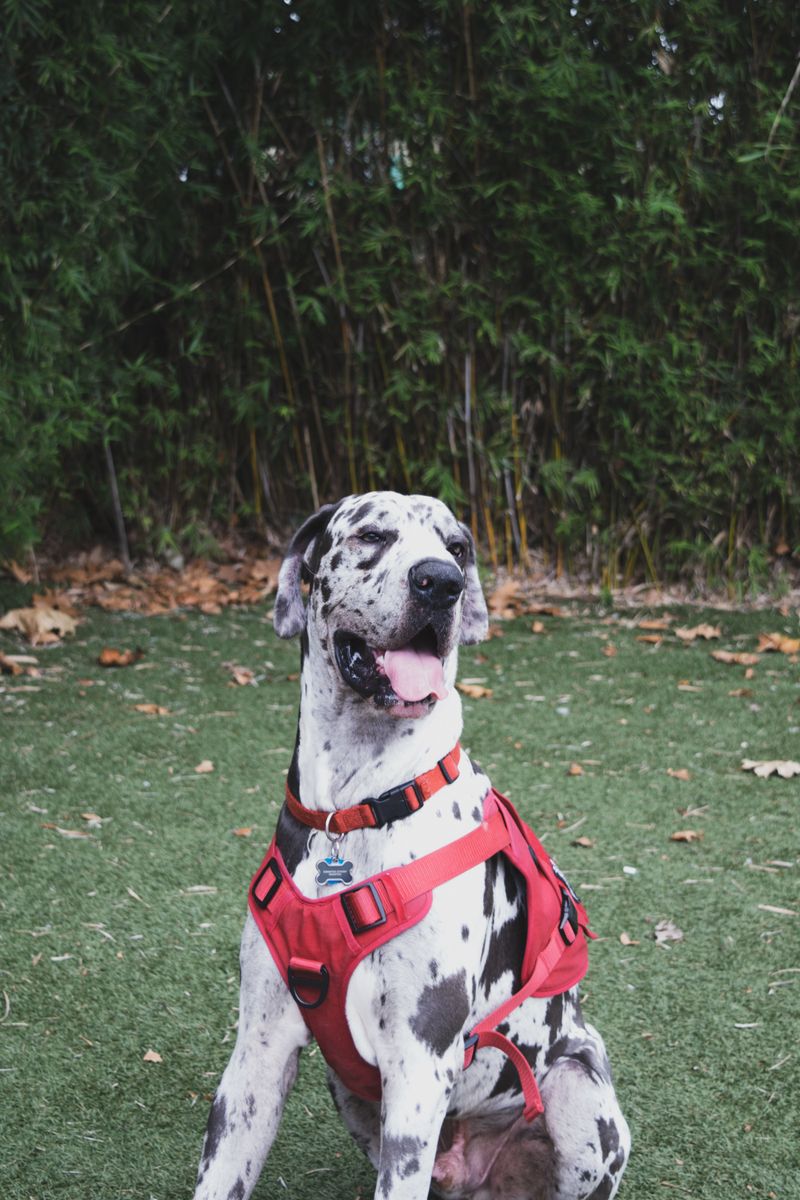 Photo: Ibby Ali / Pexels
What bloat and GDV are, and why the clock matters
Bloat is a stomach that fills with gas and stretches painfully. GDV, short for gastric dilatation and volvulus, is the dangerous version in which the stretched stomach also twists. MetLife explains that the distended stomach can cut off blood flow to the abdomen, and says that when bloat progresses to GDV, "immediate medical attention is required."
Washington State University's veterinary hospital is blunt in its GDV and bloat FAQ: without treatment, GDV is likely fatal, and with prompt emergency surgery many dogs survive. The sooner a dog receives help, the better the outcome. That is why the cost conversation has to happen on the way to the clinic, not after.
Signs to act on right away, per the WSU hospital:
- Non-productive retching or gagging.
- Restlessness, pacing, or looking at the stomach.
- A distended or bloated abdomen.
- Drooling.
- Difficulty breathing.
If you see these, go to the nearest emergency hospital. Do not wait to see whether it passes, and do not stop to price-shop. Know the address of your nearest 24-hour emergency hospital before you need it, since your regular clinic may be closed.
Dog bloat surgery cost: the national range
The cost of GDV surgery has two numbers worth knowing. MetLife says emergency bloat surgery runs from $2,000 to over $7,500 on average, depending on the clinic, location, and severity. Great Pet Care gives a narrower range for the operation most dogs get: an emergency gastropexy usually costs $3,000 to $6,000, and the preventive version $800 to $2,500.
| Scenario | Typical cost | Source |
|---|---|---|
| Preventive gastropexy (planned) | $800-$2,500 | Great Pet Care |
| Emergency gastropexy | $3,000-$6,000 | Great Pet Care's dog bloat surgery page |
| Emergency bloat treatment, all-in | $2,000-$7,500+ | MetLife Pet Insurance |
$800-$2,500 vs. $3,000-$6,000
Preventive gastropexy compared with emergency gastropexy, per Great Pet Care. Size your cushion with the emergency fund calculator.
Great Pet Care adds that the price varies with your region, with whether the surgery is done at a general practice or a specialty hospital, and with how sick the dog is on arrival. A dog whose stomach tissue is damaged needs more surgery, a longer stay, and more medication. Those extras are why the all-in emergency range runs higher than the gastropexy range alone.
What a bloat emergency bill contains
An emergency bloat bill is more than the operation. Per MetLife and the WSU hospital, treatment usually starts with stomach decompression, fluid therapy, and stabilization before surgery. Then the surgeon untwists the stomach and often performs a gastropexy to prevent a repeat.
Expect the invoice to include:
- An emergency exam and, in many cases, an after-hours fee.
- X-rays to confirm that the stomach is twisted.
- IV fluids, pain control, and heart monitoring.
- Anesthesia and the surgery itself.
- A hospital stay with monitoring after the operation.
This is the same pattern as other emergencies. Our emergency vet cost guide lists the typical price of each scenario, and the dog x-ray cost guide breaks out what imaging adds. If your dog is a large breed, assume the first estimate will start in the thousands and plan accordingly.
Which dogs carry the most risk
Any dog can bloat, but the risk is higher in large, deep-chested dogs. WSU's hospital names these breeds as higher risk: Great Danes, German shepherds, standard poodles, Weimaraners, and Doberman pinschers, and says other large and giant breeds may also be at risk. MetLife agrees that large, deep-chested breeds are more likely to bloat.
Age matters too. According to WSU, older dogs are more likely to develop GDV, and dogs between 9 and 12 years old are particularly at risk, with the chances rising by about 20% each year. Genetics, body structure, eating habits, and stress also contribute, and the exact cause of bloat is not fully understood.
You can check your own breed in the PetBudget directory: Great Dane, German Shepherd Dog, Standard Poodle, and Doberman Pinscher all have first-year, annual, and lifetime figures. If you own a Great Dane, the Great Dane lifespan guide and the Great Dane feeding chart cover the other costs and the feeding habits that matter for this risk.
Preventive gastropexy: when it pays
A gastropexy is surgery that tacks the stomach to the body wall so it cannot twist. WSU's hospital says it greatly reduces the risk of the stomach twisting, though it does not prevent bloat itself, and it is especially recommended for high-risk breeds. It also notes that the operation can be done during routine procedures such as spaying or neutering.
The cost case is straightforward. Per Great Pet Care, a preventive gastropexy costs $800 to $2,500, and an emergency gastropexy costs $3,000 to $6,000. Even the highest preventive price is below the lowest emergency price. The table shows the saving across the range.
| Comparison | Preventive | Emergency | Saving by planning ahead |
|---|---|---|---|
| Low end of range | $800 | $3,000 | $2,200 |
| High end of range | $2,500 | $6,000 | $3,500 |
| Highest preventive vs. lowest emergency | $2,500 | $3,000 | $500 |
The savings figures above are simple subtraction on Great Pet Care's ranges. They do not count the cost of the dog's recovery or the emotional cost of an emergency night. They also do not apply if your dog is not in a high-risk group, where the surgery may not be worth the anesthesia.
Recurrence is the other half of the case. WSU says that if a gastropexy is done, the recurrence risk is greatly reduced, but without it, "up to 80% of dogs" experience GDV again. A dog that has already survived one episode and did not get the tack is one of the strongest candidates for surgery.
If you plan to spay or neuter a large-breed puppy, ask the vet to quote the gastropexy together with the procedure. The spay and neuter cost guide lists the base prices, and the low-cost spay and neuter clinics guide covers cheaper clinics, though a clinic that does not perform gastropexy cannot add it on.
A real claim: what insurance paid on a bloat emergency
A real claim shows how the numbers land on a family. MetLife describes a golden retriever from New York named Sylvester who needed emergency GDV surgery. The bill was $5,900, and MetLife reimbursed over $4,650. The family paid about $1,250 after reimbursement.
MetLife says its example was based on a policy with a $250 deductible and 80% reimbursement, drawn from its internal claims data from November 2023. Treat it as an illustration. It shows how a policy turns a $5,900 night into a $1,250 one, but only if the dog was covered before the bloat happened.
Insurance, savings, or both
Insurance makes sense for a high-risk breed because one bloat event can equal years of premiums. A Forbes Advisor figure quoted in a local-news consumer report puts a plan with $5,000 of annual coverage and a $250 deductible at about $46 a month for dogs. That is $552 a year. An emergency gastropexy at $3,000 to $6,000 equals about 5.4 to 10.9 years of those premiums.
Not many dogs are covered. A NAPHIA summary in Insurance Business reports that 5.99% of U.S. dogs are insured. Most owners facing a bloat bill pay from savings, and the bill often arrives with no warning. In Spot Pet Insurance's 2026 Pet Parent Perspective, 21% of owners said $500 is the point where a vet bill becomes impossible to pay.
Two things to confirm before you buy a policy for a large-breed puppy:
- The waiting period. Bloat is an illness or accident depending on the insurer's definition, so read the policy language. The waiting periods and pre-existing conditions guide explains the clocks.
- Whether preventive surgery is covered. Many policies exclude preventive procedures, so ask whether a planned gastropexy is reimbursed.
The pet insurance break-even calculator shows how many years of premiums equal your expected bill, and pet insurance vs. an emergency fund walks through the trade-off. If you decide to self-insure, the savings table below shows what to set aside.
| Months to save | Monthly deposit for $3,000 | Monthly deposit for $6,000 |
|---|---|---|
| 12 | $250 | $500 |
| 24 | $125 | $250 |
| 36 | $83 | $167 |
Lower the odds without surgery
Surgery is the only way to prevent a twist, but you can lower other risk factors. The WSU hospital's list of steps includes:
- Feeding smaller, more frequent meals instead of one large meal.
- Avoiding elevated feeding bowls.
- Slowing a fast eater with a puzzle or slow-feed bowl.
- Limiting heavy exercise right before and after meals. MetLife suggests waiting at least one hour after meals.
- Preferring kibble with larger particles, over 30 mm, per WSU.
- Preventing foreign-object ingestion, which WSU says can raise the risk.
These changes cost little, and they do not replace the surgery for a high-risk dog. Feeding is also a monthly budget line, so see how much to feed your dog and the dog food cost guide when you divide the meals.
Questions to ask your vet about the estimate
Whether you are planning the surgery or standing in an emergency lobby, the estimate is a negotiation of options, not a verdict. Ask for it in line items so you can see what each piece costs.
- Does this estimate include a gastropexy? Some emergency quotes cover only the untwisting. The tack is what prevents a repeat, so confirm it is included.
- What is the range if the stomach wall is damaged? Dead stomach tissue needs extra surgery, so ask for a best-case and a worst-case number.
- How many nights of monitoring are included? The hospital stay is a large part of the final invoice.
- What is the deposit, and what payment options do you accept? Settle this before the operation, not after.
- If I did this as a planned procedure, what would it cost? The answer tells you what the preventive route would have saved.
Plan for it: a short checklist
A large-breed owner can prepare in an afternoon. Do these things before you ever see a swollen belly.
- Save the number and address of the nearest 24-hour emergency hospital.
- Ask your regular vet whether your dog's breed and age make a preventive gastropexy sensible, and what it would cost.
- If you plan to spay or neuter, ask for a combined quote.
- Decide your payment route: insurance, a savings fund, or both. The guides on vets that take payment plans and vet credit cards cover financing.
- Enter your dog's profile in the PetBudget calculator and record the lifetime figure, so a one-time $3,000 to $6,000 event sits in context.
The calculator's sources are listed on the methodology page, so you can see where each input comes from. Bloat prices vary widely by clinic, and an estimate from your own vet beats any national range.
Frequently asked questions
How much does dog bloat surgery cost?
Emergency bloat surgery typically costs $2,000 to $7,500 or more, per MetLife Pet Insurance. Great Pet Care puts an emergency gastropexy at $3,000 to $6,000. Region, clinic type, and complications such as stomach damage move the final bill.
How much does a preventive gastropexy cost for dogs?
A preventive gastropexy typically costs $800 to $2,500, per Great Pet Care. Washington State University's veterinary hospital says the preventive surgery is less costly than emergency treatment and can be done during a routine procedure such as a spay or neuter.
Which dog breeds are most at risk of GDV?
Washington State University lists Great Danes, German shepherds, standard poodles, Weimaraners, and Doberman pinschers, and says other large and giant, deep-chested breeds may also be at risk. Any dog can bloat, but the risk is higher in large breeds.
Can a dog get bloat again after surgery?
Yes, if no gastropexy was done. Washington State University says up to 80% of dogs without the preventive surgery experience GDV again. A gastropexy tacks the stomach to the body wall, which greatly reduces the chance of a repeat twist.
See your own pet's real numbers.
Run the calculator with your breed, metro area, and care choices for a first-year, annual, and lifetime cost estimate — not a national average.
Comments
Comments are moderated before they appear. Constructive questions, corrections and first-hand pet cost experiences are welcome.
Verified Dialogue
Sort by: Chronological (earliest)Loading comments…