

Key takeaways
- In PetBudget's model of 178 dog breeds, the Great Dane is the most expensive to own each year at $3,674 and $6,522 in year one.
- The Central Asian Shepherd Dog has the highest lifetime cost at $45,189, because it lives about 13 years, while short-lived giants like the Great Dane total about $32,240.
- The most expensive dog to buy is a different list: rare breeds like the Tibetan Mastiff and Samoyed can cost thousands of dollars more than a Labrador at purchase.
The most expensive dog breeds to own are giants. This 2026 ranking uses real yearly and lifetime cost estimates. In PetBudget's cost model of 178 dog breeds, the Great Dane costs the most per year at $3,674 and $6,522 in the first year. The highest lifetime cost belongs to the Central Asian Shepherd Dog at $45,189. What dog is the most expensive to buy is a separate question, and the answer there is a rare breed like the Tibetan Mastiff.
Most expensive dog breeds to own each year
Giant breeds fill the top of the yearly cost ranking, because size drives food, medication, and insurance costs.
| Rank | Breed | Yearly cost | First-year cost | Typical lifespan |
|---|---|---|---|---|
| 1 | Great Dane | $3,674 | $6,522 | 8 years |
| 2 | Leonberger | $3,641 | $6,489 | 8 years |
| 3 | Irish Wolfhound | $3,634 | $6,482 | 7 years |
| 4 | Black Russian Terrier | $3,516 | $6,364 | 11 years |
| 5 | Mastiff | $3,512 | $6,360 | 8 years |
| 6 | Giant Schnauzer | $3,507 | $5,952 | 11 years |
| 7 | Bloodhound | $3,492 | $6,340 | 8 years |
| 8 | Dogue de Bordeaux | $3,485 | $6,333 | 6 years |
| 9 | Bernese Mountain Dog | $3,476 | $6,324 | 8 years |
| 10 | Briard | $3,439 | $5,884 | 11 years |
Yearly cost covers food, routine vet care, grooming, insurance, and supplies. The median dog in the data costs $2,465 a year, so the top ten cost about $1,000 a year more. Figures are modeled estimates built from published pricing, described on the methodology page.
$3,674
Yearly cost of a Great Dane in PetBudget's model, the highest of 178 dog breeds. See the Great Dane cost breakdown for each line item.
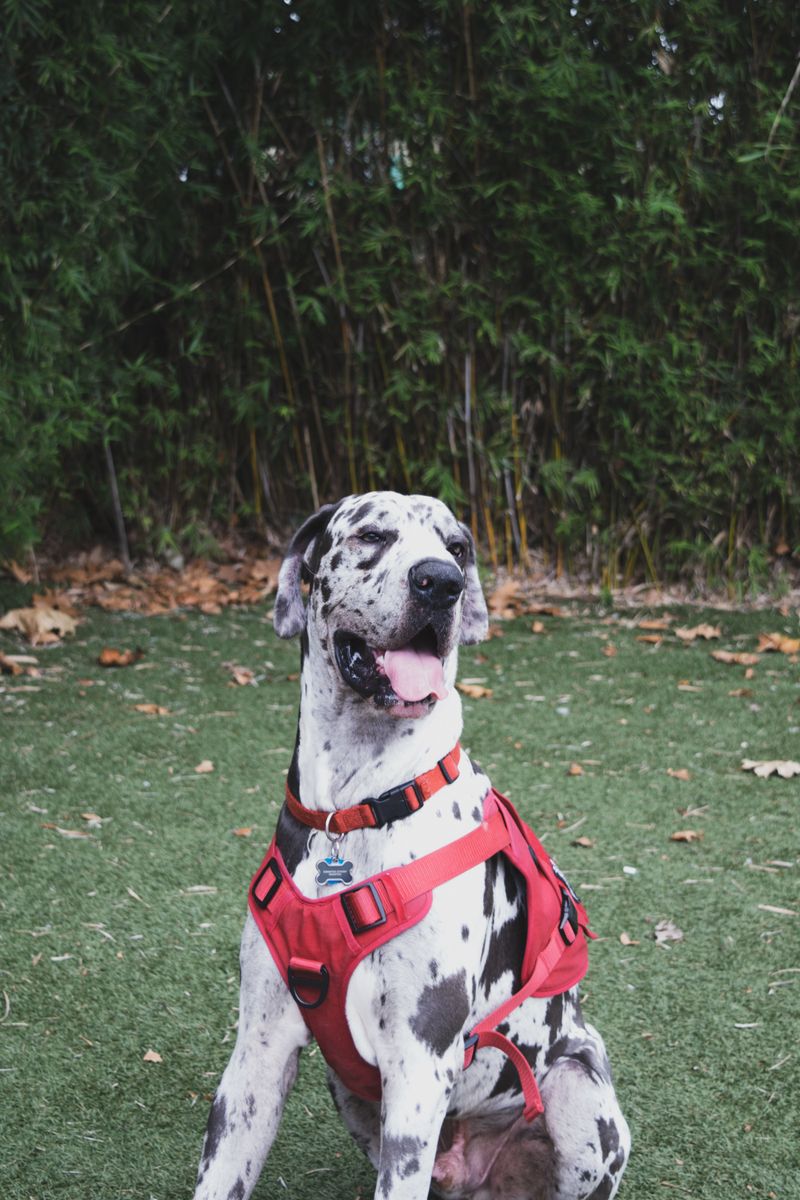 Photo: Ibby Ali / Pexels
Most expensive dog breeds by lifetime cost
Lifetime cost changes the ranking, because a long life multiplies each year's spending. The highest lifetime totals belong to large breeds that live 12-14 years.
| Rank | Breed | Lifetime cost | Yearly cost | Typical lifespan |
|---|---|---|---|---|
| 1 | Central Asian Shepherd Dog | $45,189 | $3,257 | 13 years |
| 2 | Bergamasco Sheepdog | $44,207 | $2,983 | 14 years |
| 3 | Standard Poodle | $41,939 | $3,038 | 13 years |
| 4 | Alaskan Malamute | $41,829 | $3,282 | 12 years |
| 5 | Anatolian Shepherd Dog | $41,680 | $3,236 | 12 years |
| 6 | Black Russian Terrier | $41,524 | $3,516 | 11 years |
| 7 | Afghan Hound | $41,042 | $2,969 | 13 years |
| 8 | Giant Schnauzer | $41,022 | $3,507 | 11 years |
The Great Dane does not appear in this table. Its $3,674 yearly cost over an 8-year lifespan gives a lifetime total of $32,240, close to the median of $32,339 across all breeds. The Central Asian Shepherd Dog costs about $13,000 more over its life, mostly because it lives five years longer.
Why size drives dog costs
Bigger dogs cost more every year, and the pattern is steady across the data. PetBudget's averages by size class show the effect.
| Size class | Breeds | Average yearly cost | Average lifetime cost | Average lifespan |
|---|---|---|---|---|
| Toy | 13 | $1,823 | $27,022 | 13.6 years |
| Small | 37 | $2,049 | $29,296 | 13.3 years |
| Medium | 58 | $2,378 | $32,215 | 12.6 years |
| Large | 50 | $2,861 | $35,915 | 11.7 years |
| Giant | 20 | $3,367 | $34,966 | 9.6 years |
Giants have the highest yearly cost, but large breeds have the highest average lifetime cost. Giants live about two years less than large breeds, and that shorter life offsets a higher yearly bill. Giant breeds also carry health risks that can be costly to treat. See pet insurance by breed for how those risks affect premiums.
Most expensive dog breeds to buy
The most expensive dogs to buy are rare or status breeds, and their prices are far above the $800-$2,500 range for a Lab. PetBudget's model uses pet-quality breeder prices, so it does not capture rare-breed peaks. Published breed price guides do.
| Breed | Reported purchase price |
|---|---|
| Tibetan Mastiff | $2,000 to $10,000 or more, with one sale reported near $1.9 million |
| Samoyed | Up to $14,000, though some breeders charge $1,200-$3,500 |
| Chow Chow | $3,000-$8,500 |
| Löwchen | $4,000-$8,000 |
| Azawakh | $5,000-$8,500 |
| Dogo Argentino | About $8,000 |
Tibetan Mastiff and Samoyed figures come from Dogster's list of the most expensive dog breeds. Chow Chow, Löwchen, Azawakh, and Dogo Argentino ranges come from Spot Pet Insurance's expensive dog breeds guide. Rarity, small litters, and demand set these prices. A high price says little about the cost of owning the dog.
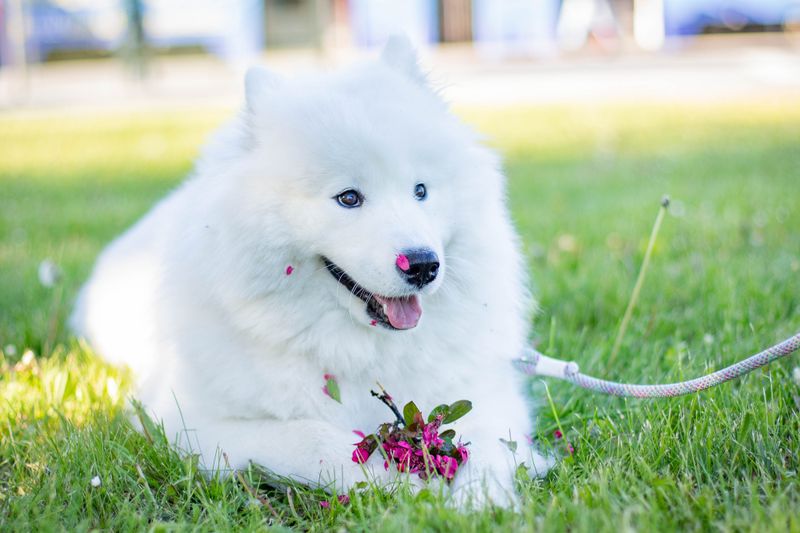 Photo: Valeria Boltneva / Pexels
Insurance makes some breeds costlier
Insurance premiums add to yearly cost, and they vary by breed. Spot Pet Insurance reports annual premiums of $1,489 for a Rottweiler, $1,328 for a French Bulldog, $1,238 for a Boxer, and about $1,209 for a Newfoundland, per its expensive dog breeds guide. It also notes Rottweilers cost up to 2.4 times more to insure than other breeds. Compare those figures with an Australian Shepherd at $706 or a Yorkshire Terrier at $630.
How to lower the cost of an expensive breed
A costly breed does not need to break your budget. These steps help.
- Choose a health-tested breeder. Screening for common inherited conditions lowers the odds of large vet bills.
- Insure early. Coverage is easier to buy before a condition appears. Read is pet insurance worth it.
- Keep a reserve. PetBudget sets the emergency fund at $4,000 for a large dog. Learn about emergency vet costs.
- Buy food in bulk and groom at home where the breed allows it.
- Consider adoption. Rescue fees are far lower than breeder prices. See how much it costs to adopt a dog.
If you are budget-minded, our list of the cheapest dog breeds to own shows the other end of the range. Compare any breed with the pet cost calculator, or see how popular breeds stack up in the dog and cat breed cost comparison.
Bottom line
The Great Dane is the most expensive dog to own each year at $3,674, and the Central Asian Shepherd Dog is the most expensive over a lifetime at $45,189. The Tibetan Mastiff is the most expensive to buy. Check any breed's full numbers on its breed page before you commit, and remember that the cheapest breed in our data costs about half as much over a lifetime.
Frequently asked questions
What dog is the most expensive to own?
In PetBudget's model of 178 dog breeds, the Great Dane costs the most per year at $3,674 and $6,522 in the first year. Giant breeds lead the list because they eat more, need larger medication doses, and have higher vet bills.
What dog is the most expensive to buy?
The Tibetan Mastiff is usually named the most expensive dog to buy, with prices from $2,000 to $10,000 and one reported sale near $1.9 million. Samoyeds, Chow Chows, and Löwchens can also cost several thousand dollars from breeders.
Which dog breed has the highest lifetime cost?
The Central Asian Shepherd Dog has the highest estimated lifetime cost in PetBudget's data at $45,189. Large and giant breeds that live 12-14 years top the lifetime list, because they combine high yearly costs with a long lifespan.
Why are giant dog breeds so expensive?
Giant breeds eat more food, need larger medication doses, and cost more to insure and board. PetBudget's giant breeds average $3,367 a year, compared with $2,049 for small breeds and $1,823 for toy breeds.
What is the cheapest dog breed to own?
The Japanese Terrier has the lowest lifetime cost in PetBudget's data at about $21,962, roughly half the cost of the most expensive breed. Small and toy breeds average $1,823-$2,049 a year.
See your own pet's real numbers.
Run the calculator with your breed, metro area, and care choices for a first-year, annual, and lifetime cost estimate — not a national average.